by Mike Gulett –
The Pegaso Z-102 is a fascinating high-performance sports car from the early 1950s. Built in postwar Spain by the state-owned truck manufacturer ENASA (Empresa Nacional de Autocamiones S.A.), the Z-102 was not intended to be a commercial success. It demonstrated that Spain could build a world-class grand touring car to rival the best from Italy, Germany, and Britain.
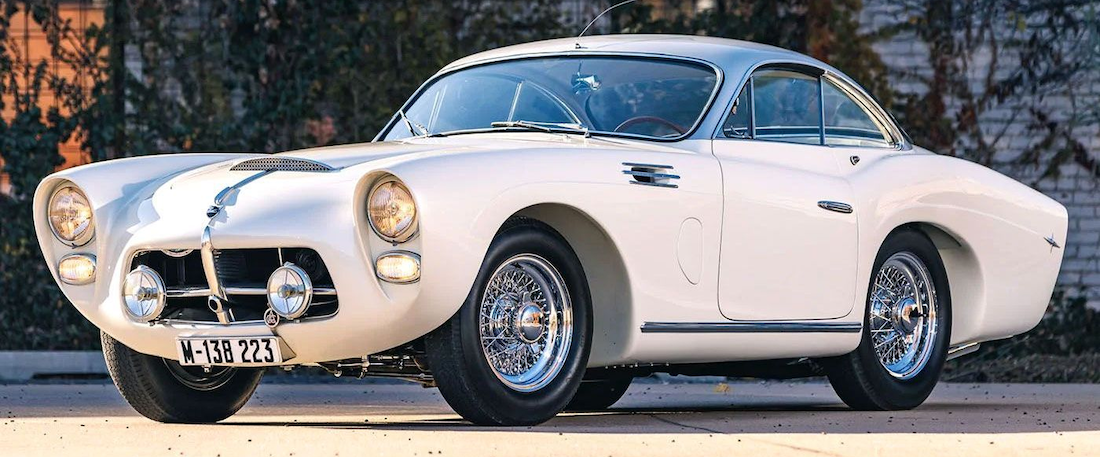
1954 Pegaso Z-102 Saoutchik Berlinetta Series II
Origins
In the aftermath of World War II, Spain was economically isolated and industrial development was limited, yet the government sought prestige projects to showcase the nations abilities. ENASA—primarily a truck and industrial vehicle manufacturer—was tasked with building this halo car.
To lead the effort, ENASA recruited the engineer Wifredo Ricart, formerly with Alfa Romeo, where he had worked on racing cars before the war.
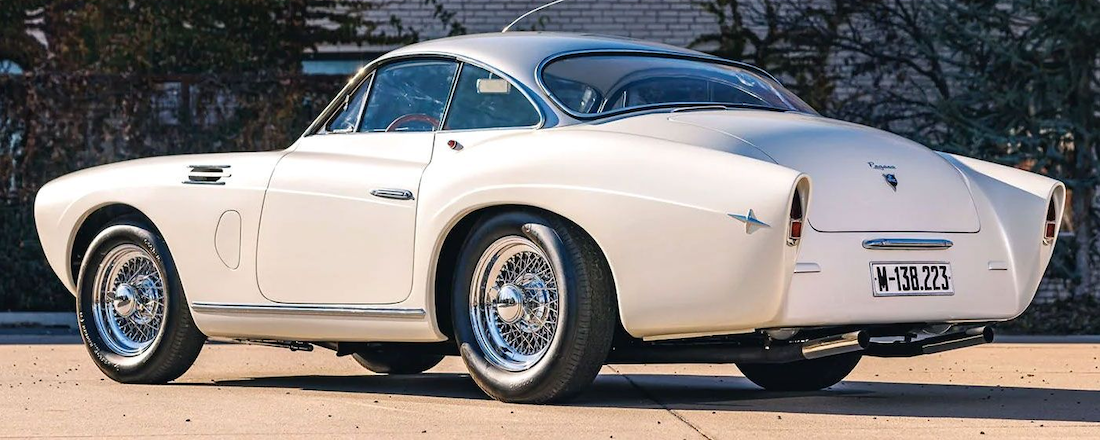
1954 Pegaso Z-102 Saoutchik Berlinetta Series II
Advanced Engineering
The Z-102 was considered one of the most technically advanced cars of its time:
- Engine: A lightweight alloy V8 with quad overhead camshafts—extraordinary for the early 1950s
- Displacement options: 2.5L, 2.8L, and 3.2L
- Power output: Up to ~360 horsepower in racing form
- Transmission: Rear-mounted transaxle for improved weight distribution
- Chassis: Advanced, rigid design with independent front suspension
- Brakes: Early adoption of high-performance drum brakes (and later disc experimentation)
This level of capability rivaled contemporaries like Ferrari and Maserati—and in some cases, even surpassed them.
In 1953, a modified Z-102 reportedly reached speeds of over 150 mph, making it one of the fastest production cars in the world at the time. Although, can we really call a modified Pegaso a production car?
Coachbuilt Elegance
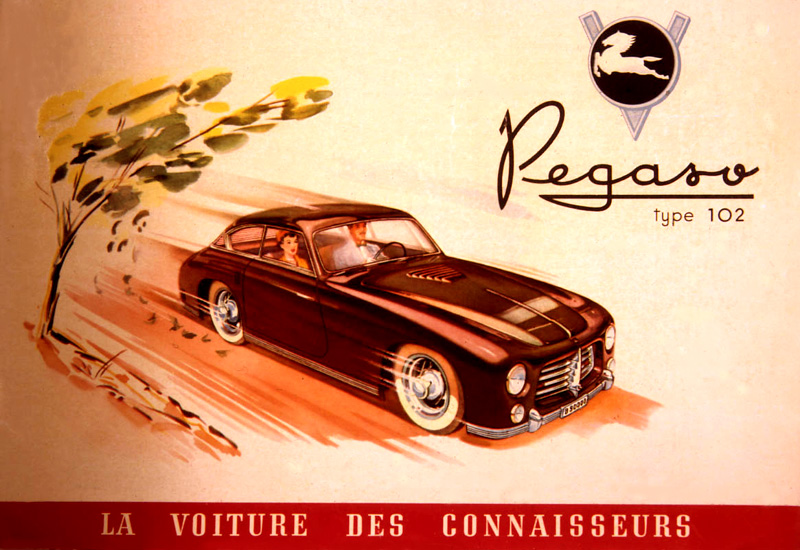
Unlike mass-produced cars, the Pegaso Z-102 was typically sold as a chassis to be bodied by elite coachbuilders. Among them:
- Carrozzeria Touring – responsible for elegant, aerodynamic designs
- Saoutchik – known for flamboyant, ornate styling
- ENASA’s own in-house body designs
Each Z-102 could look dramatically different, ranging from restrained Italian GT forms to highly decorative French styles.
Motorsport and Performance Legacy
ENASA entered the Z-102 in racing events, including attempts at the 24 Hours of Le Mans. The car’s engineering complexity often led to reliability issues, limiting its success.
Yet, the Pegaso demonstrated that Spain could build a car capable of competing on the world stage—even if results didn’t always match their ambition.
Why It Mattered
The Pegaso Z-102’s importance goes beyond its production numbers (fewer than 100 cars were built):
1. A Technological Showcase
It proved that Spain could design and build a car as advanced as anything else in Europe. The quad-cam V8 was among the most sophisticated engines of the era.
2. National Prestige
In the 1950s, the Z-102 was a symbol of Spanish industrial pride and ambition—more akin to a concept car or engineering exercise than a commercial product.
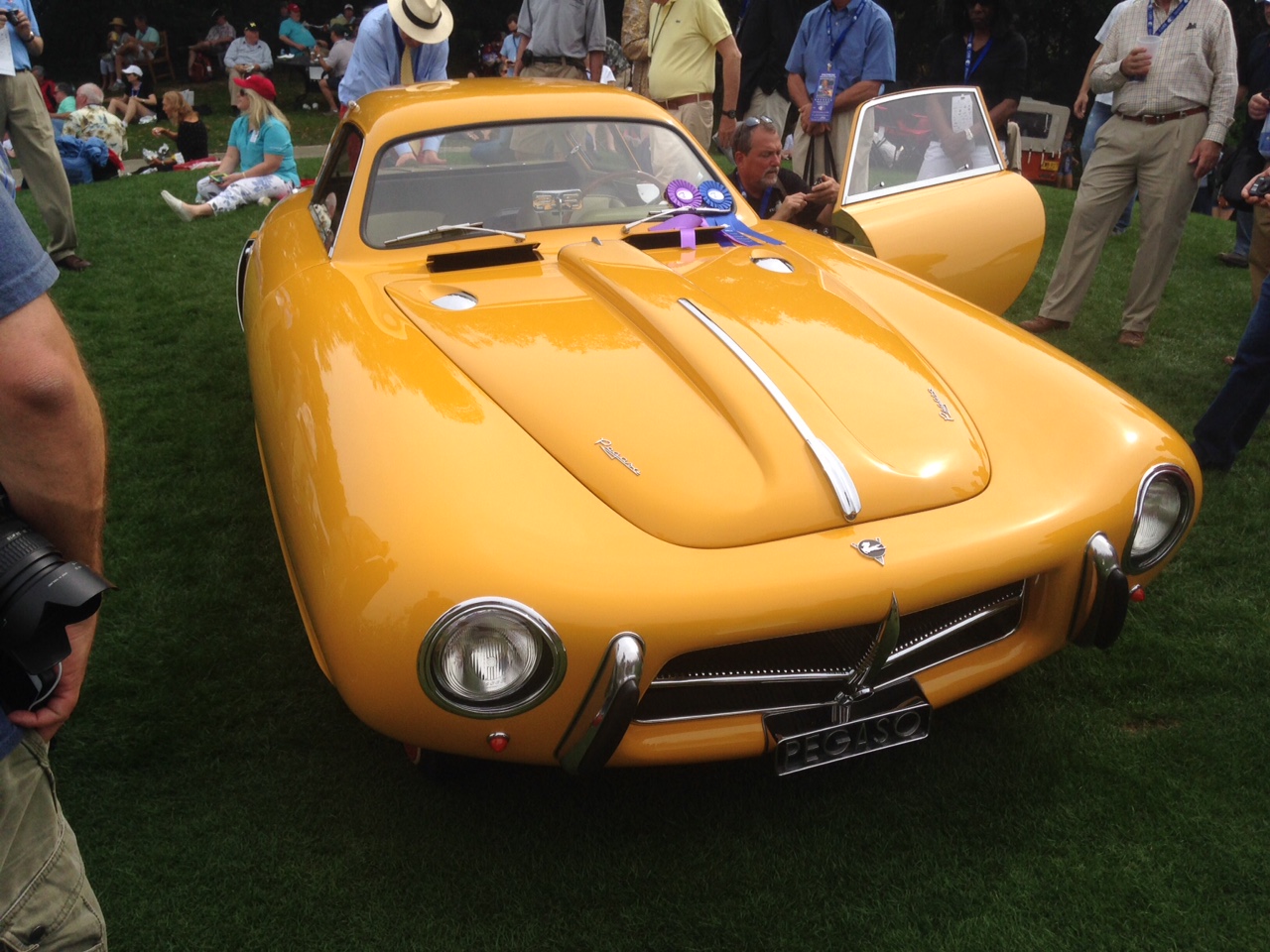
Amelia Island (2016) – Best in Show, Concours de Sport – 1952 Pegaso Z-102 – photo by Don Meluzio
See more of Don Meluzio’s Pegaso photos here.
3. A “What If” Story
Had ENASA focused less on complexity and more on production viability, Pegaso might have become a lasting competitor to Ferrari. Unfortunately, the project was discontinued in 1957.
4. Collector Significance Today
Today, the Pegaso Z-102 is one of the rarest and most intriguing postwar European GT cars. Its combination of rarity, sophistication, and attractive styling makes it highly prized by collectors.
Final Thoughts
The Pegaso Z-102 occupies an interesting place in automotive history: not a commercial success, not a racing success—but still a technical marvel. It represents a time when ambition exceded practicality and thus created one of the most exotic and fascinating cars of the 20th century.
Let us know what you think in the Comments.
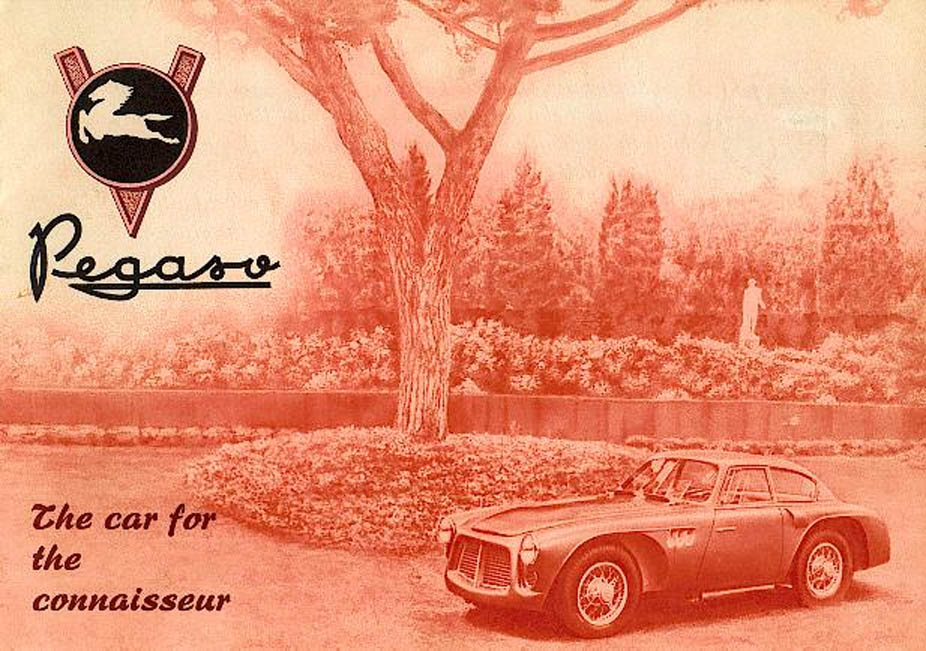
Thanks to my friend, Tom Burnett, for suggesting this subject.
Research and some text by ChatGPT 5.2.
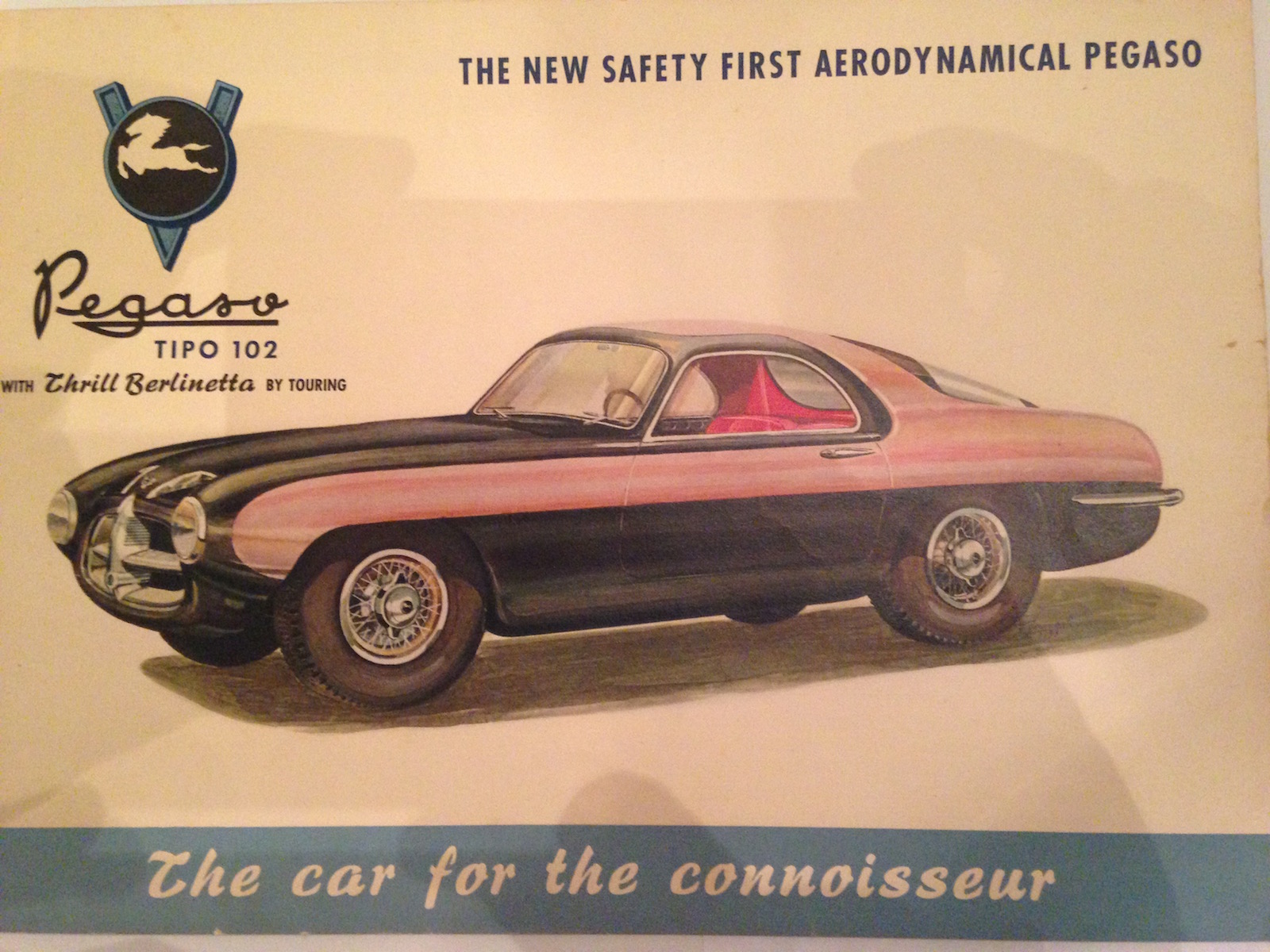


Mike: Great piece. One of the primary objectives was to demonstrate Spain’s industrial and engineering prowess after World War II. Also, ENASA created an apprentice program to teach young craftsmen how to build a world-class GT and develop skills that would be used later on to further ENASA’s goals.
These guys built most of the car, with the coach work subcontracted out to Jose Serra (standard body) or Sauotchik or Touring. The Touring coupes and barchettas were the prettiest, in my opinion.
Enthusiast Steve Block used to be THE guy for Pegasos. He also was an early investor in the Apollo GT.