Toronto car owners are turning to professional PPF installer services more than ever. Quality protective films can protect factory paint for up to 10 years. Paint Protection Film (PPF) completely changed how we keep vehicles looking good in our tough climate.
Market research shows the automotive paint protection films industry grows steadily at 5% yearly from 2020 to 2025. The numbers make sense – more than 80% of users saw substantially less physical damage to their car’s exterior after getting PPF installed. PPF creates an invisible shield on car surfaces that withstands everything Toronto streets can throw at it.
Most car owners don’t know that PPF paint protection goes beyond simple film application. Executing this effectively necessitates appropriate methodologies and a well-developed proficiency. Research shows 67% of people who choose PPF installation have no previous experience, and they just need professional help.
YouTube videos might make PPF installation look easy, but it’s not a simple weekend task. Professional installers work efficiently from their experience with hundreds of installations. They dedicate serious thought to prepping, arranging things just so, and neatly wrapping edges.
We’ll explain why Toronto’s seasons, from icy winters to hot summers, make a strong case for defending your car’s paint. See how PPF defends your car’s paint, watch the whole setup happen, and get straightforward tips to keep your ride pristine year after year.
Why Toronto’s Climate Demands Extra Paint Protection
Toronto’s brutal weather creates the perfect storm that damages vehicle paint. Your car faces extreme conditions that can quickly destroy even the toughest factory paint jobs. Let me explain why your car needs serious paint protection in our city.
Winter Road Salt And Its Corrosive Effects
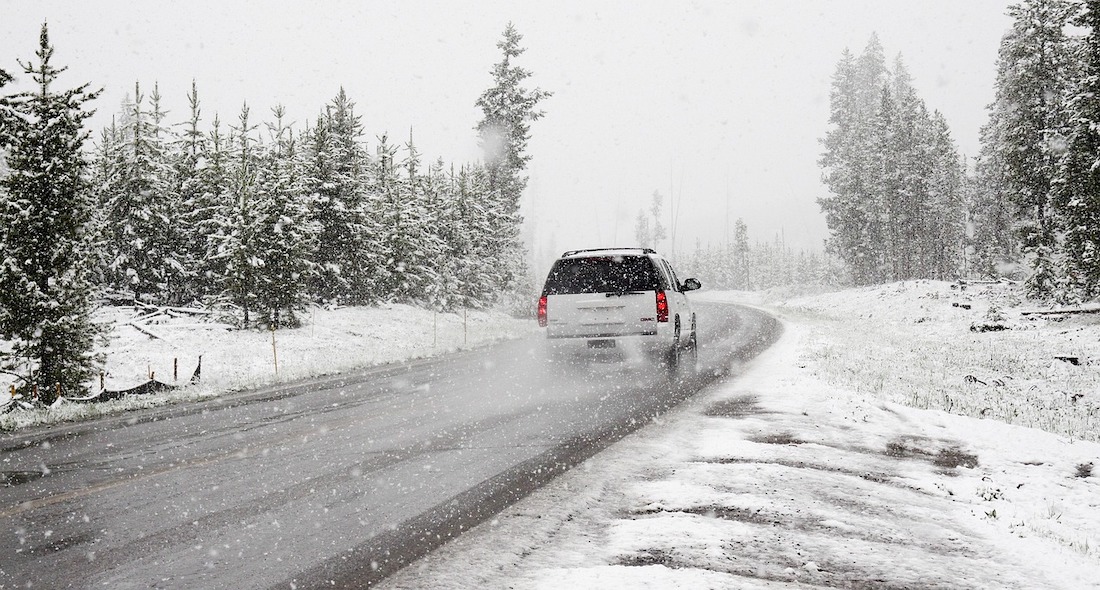
Toronto winters bring months of exposure to road salt. We can’t avoid it because it keeps us driving safely, but it destroys car paint. Road crews spread more than 130,000 tons of salt on Toronto roads each year. Picture this: it causes your car’s metal to rust and weaken over time.
Salt particles act like tiny daggers against your car’s finish. These particles scratch, embed, and eat through clear coats if you leave them untreated. The damage sneaks up on you might not notice it until permanent damage sets in.
Car owners often see white residue building up around wheel wells and lower panels during winter. That built-up salt loves moisture. As soon as they meet, metal starts rusting way faster. A PPF on a car creates a protective barrier that keeps salt away from your paint.
UV Exposure During The Summer Months
In stark comparison to this, Toronto summers can damage your car just as much as winters. The warm season brings strong UV radiation that oxidizes and fades automotive paint.
The sun’s ultraviolet rays break down paint molecules and cause:
- Color fading (you’ll notice this most on red and blue vehicles)
- Clear coat deterioration
- Surface oxidation that leaves a chalky look
Heat also expands paint pores, which lets more contaminants seep in. PPF paint protection has UV inhibitors that block these harmful rays. Your vehicle’s appearance stays fresh years longer than unprotected finishes.
Urban Driving And Frequent Debris Impact
Daily drives in Toronto bombard cars with debris. Construction areas, highway traffic, and even parking lots threaten your paint’s condition constantly.
Debris flies everywhere on highways like the 401 and DVP. Small stones, construction materials, and road tar chip and scratch your paint. Urban pollutants from factories and vehicles also settle on paint surfaces and create tiny damage spots.
PPF installation shields your car from these everyday hazards. Modern films heal minor scratches with heat, while thick urethane material absorbs impacts that would normally chip paint. That’s why many Toronto drivers rely on an Expert PPF application to keep their vehicles safe from the everyday demands of city driving.
What Is PPF and How Does It Protect Your Car
Paint Protection Film (PPF) acts as a transparent shield for your vehicle’s exterior. A special plastic, originally used to shield helicopter blades, now protects cars from daily bumps and scrapes. Your Toronto vehicle can stay pristine with this invisible armor.
How PPF Works As A Barrier
PPF works like a suit of armor for your paint. Multiple layers work together in the film – a scratch-resistant top layer, a thick core that absorbs impact, and an adhesive bottom that bonds to your vehicle’s surface.
Its many layers build a tough wall, shielding your car’s paint from harm. Rocks, road salt, or debris hit the film instead of your paint. Your finish stays protected as the polyurethane material flexes upon impact and prevents chips and scratches.
Quality PPF options come with a 10-year consumer warranty. Your car stays looking sharp and keeps its worth with PPF installed.
Self-Healing And Hydrophobic Properties
Modern PPF’s most impressive feature is its self-healing ability. Minor scratches and swirl marks on the film disappear with heat exposure.
You’ll find how this works absolutely amazing. Elastomeric polymers in the film return to their original state when heated. Warm water or sunlight makes scratches vanish. Your car stays looking fresh without needing touch-ups or polishing.
Premium PPF also repels water with its hydrophobic characteristics. Your car becomes easier to clean. Dirt, bug splatter, and road grime slide right off the slick surface instead of sticking.
PPF vs. Ceramic Coating: Key Differences
These two protective options serve different purposes:
- Physical protection: PPF blocks rock chips and physical impacts, while ceramic coating can’t prevent these damages
- Thickness: PPF creates a much thicker physical barrier compared to the ceramic coating’s microscopic layer
- Self-healing: PPF heals itself, but ceramic coating doesn’t have this ability
- Longevity: Quality PPF lasts up to 10 years, while ceramic coating needs earlier reapplication
Toronto owners often get the best of both worlds by combining these treatments. A Professional PPF Installer can apply film to high-impact areas like the front bumper, hood, and mirrors. A ceramic coat makes things super shiny and fights off harsh chemicals.
Installing PPF on Your Car: What to Expect
The choice between professional and DIY PPF installation marks your first big decision. Imagine your car staying pristine. We’ll show you how this tough, clear film shields its finish.
Professional vs. DIY PPF Install
DIY installation might save money initially, but you need the full picture. DIY kits run about USD 190 plus tools, and most beginners spend 2-3 full days to achieve decent results. Professional installers bring certified expertise, controlled environments, and warranties that a DIY approach simply can’t match.
You’ll quickly notice a big improvement when you work with quality gear. Our skilled folks grab special cutting machines, working in tidy areas with all the right gear. They also manage complex areas without any lifting, stretching, or bubbling issues.
Steps In A Typical PPF Installation
A quality installation moves through these essential stages:
- Surface preparation – The process starts with a deep wash and clay bar treatment to remove contaminants, followed by an isopropyl alcohol wipe-down
- Solution mixing – The team creates a slip solution (water with baby shampoo) and a tack solution (water with isopropyl alcohol)
- Application – Both panel and film receive a flood of solution, then perfect alignment happens before tacking corners
- Squeegee work – Fluid moves outward from the center in controlled, overlapping strokes
- Edge wrapping – The excess material gets trimmed, and the tack solution goes along the edges
- Final curing – The film needs 24-48 hours before washing
Common Mistakes To Avoid During PPF Installation
Newcomers often stumble with these issues:
- The film sticks too soon due to an insufficient slip solution
- Dirty tools or poor handling lead to contamination
- Poor tensioning creates “fingers” (wrinkles)
- Bad environmental conditions affect results (ideal: 70-80°F)
- Heat gets applied when it’s not needed
Many Toronto car owners choose a Professional PPF Installer rather than risk making expensive mistakes.
Maintaining Your PPF for Long-Term Results
Quality PPF investment needs proper maintenance to keep looking fresh for years. You’ll want to preserve that pristine appearance with regular care after spending on protection. Let me show you how to maintain that showroom shine for the long haul.
How To Clean And Care For PPF
A pH-neutral car shampoo wash every 1-2 weeks removes contaminants before they damage the surface. Use a microfiber wash mitt and clean in straight lines to prevent swirl marks – never use circles. The two-bucket method gives the best results – one bucket with soapy water and another to rinse your mitt.
Quick dust removal with a microfiber cloth prevents grime buildup daily. Bird droppings and bug splatter need immediate attention since they contain acidic substances that can stain. Just spray with a mild detailer and gently dab – aggressive scrubbing is out of the question.
A clean microfiber towel helps pat the surface dry to prevent water spots. Think about applying a PPF-specific sealant once a year – it can extend your film’s life by up to 25%.
What To Avoid After PPF Installation
Your newly installed PPF needs at least 7 days to fully cure before washing. The adhesive must properly bond to your car’s surface during this time.
Stay away from these common mistakes:
- Automatic car washes with brushes that lift edges
- Direct high-pressure washing at film edges
- Harsh chemicals like degreasers or acidic cleaners
- Petroleum-based waxes that cloud the appearance
- Abrasive sponges or brushes that scratch the surface
When To Reapply Or Replace PPF
Quality PPF lasts 5-10 years based on maintenance and environmental exposure. All the same, you should check regularly for replacement signs.
Yellowing or discoloration shows that UV protection is fading. Bubbling, peeling edges, or adhesive failure mean the film has reached its end. The film needs replacement if it no longer self-heals minor scratches. That’s your cue to get fresh Professional PPF Installer service.
Monthly checks help catch problems early and save your paint from damage. Small edge lifting can often be fixed without full replacement if you catch it early enough.
Final Words
Paint Protection Film truly protects your car from the harsh weather and debris common in our city. Road salt, UV radiation, and constant debris won’t damage your vehicle anymore.
You can rest easy; your money will remain secure for many years. The self-healing technology, physical barrier protection, and long-lasting durability make PPF much more valuable than traditional paint protection methods. Ceramic coatings serve a purpose, but they can’t match the physical protection that quality PPF provides.
Many budget-conscious car enthusiasts feel tempted to try DIY installation, but this precision work needs professional expertise. A professional PPF Installer uses specialized equipment and brings years of experience with warranties that prevent future problems. You know those difficult curves and awkward edges that make a first-timer sweat? They manage those with total ease.
The right maintenance helps your PPF last longer. You should wash with pH-neutral products, clean contaminants quickly, and avoid harsh chemicals to keep your protection looking new. PPF works like a shield that needs occasional care rather than frequent replacement.
Toronto drivers who add Paint Protection Film often find it’s one of the smartest vehicle improvements. Your car battles environmental hazards daily. PPF provides the armor it needs to stay pristine. That first spend means more cash when you sell and much lower repair bills. Your vehicle deserves this invisible protection against everything our beautiful but challenging city throws at it.


Speak Your Mind