For many car owners, the word “scrap” still sounds negative. For many people, the idea of scrapping a car comes with the wrong assumptions. It feels like admitting defeat, throwing something away, or sending it straight to landfill.
The reality is the opposite. Selling an old or unwanted vehicle through a cash for cars service is often one of the most environmentally responsible choices a car owner can make. Done properly, car recycling reduces pollution, saves raw materials, and supports cleaner, more sustainable manufacturing.
At scrapcarsremoval.com.au, vehicles that are no longer safe or economical to keep on the road don’t lose their value when they leave the driveway, they simply change purpose, continuing their journey through reuse, recycling, and responsible recovery.
If you’re holding onto an old car because you think scrapping it is bad for the environment, it might be time to rethink that assumption.
The Environmental Cost of Keeping an Old Car Too Long
Many unused or failing cars don’t sit idle without consequence. These things can happen:
- Leak oil, coolant, and brake fluid into soil
- Release battery acid and heavy metals
- Rust and contaminate nearby ground
- Become a fire or safety hazard
Cars parked on grass, driveways or roadside areas slowly degrade. What looks harmless today can become an environmental problem months or years later.
Keeping an old car on the road isn’t always the greener option people think it is. In many cases, hanging on to an aging vehicle does more harm to the environment than retiring it and letting it be recycled properly.
Why Older Cars Pollute More Than Most People Realise
Vehicles built years ago were designed for a very different set of standards. They use more fuel to do the same job, push out more pollution through the exhaust, and operate without the emission controls that newer cars now come with as standard.
Even when they’re still running, older vehicles tend to put a heavier load on the environment every time they’re driven.
Many also allow unburnt fuel and vapours to escape, adding to air pollution over time.
Even when an older car still runs, keeping it on the road often means a much larger carbon footprint than most owners realise. From an environmental point of view, removing inefficient cars from the road is one of the simplest ways to cut overall emissions. Taking older cars off the road reduces wasted fuel and cuts down unnecessary pollution.
What Happens After a Car Is Scrapped
Most people think scrapped cars go straight to landfill, but that’s not how it actually works.
In reality, professional recycling looks very different from that picture.
In professional recycling, that couldn’t be further from the truth.
When a vehicle is sold through a licensed cash for cars service, the process is structured, regulated, and designed to minimise environmental impact from start to finish.
First, all fluids are removed safely. All operating fluids, including oil, fuel, coolant, and transmission fluid, are carefully extracted and processed through regulated systems so they don’t end up leaking into the ground or polluting waterways.
After that, parts that are still in good working condition are removed. Reusing these components reduces the need to produce new ones, which in turn saves energy and conserves raw materials.
Once usable parts are taken out, the vehicle is broken down further so recyclable metals like steel, aluminium, and copper can be separated. Reusable materials are recovered and recycled without any loss in quality, while the remaining elements are handled under strict environmental guidelines so very little ends up as waste.
In the end, very little of a car is truly wasted; it’s simply transformed into something useful again.
Recycling Metal Saves More Than You Think
By recycling steel and aluminium, it can:
- Uses significantly less energy than mining
- Reduces greenhouse gas emissions
- Conserves natural resources
- Lowers manufacturing pollution
Every recycled car contributes to this cycle. By doing this, it is a support to the sustainable automotive industry.
Why Cash for Cars Encourages Better Environmental Choices
One reason abandoned vehicles are such a problem is simple: disposal costs money. When people have to pay to remove a car, many delay the decision, or worse, dump vehicles illegally.
By working with cash for cars operators, you don’t need to hesitate or worry that your car will be abandoned or dealt with the wrong way. The car is taken into authorised recycling facilities. In busy cities, where space and pollution are ongoing issues, that incentive matters.
That’s why cash for cars Sydney services have a much bigger impact than most people expect.
Why Letting Car Sit Is The Least Eco-Friendly Option
An unused car isn’t neutral. Typical problems start to appear, like battery acid leaking out, tyres deteriorating, fluids soaking into the ground, and rust slowly spreading. Left unattended, the environmental damage only gets worse over time.
Recycling early prevents that damage and puts materials back into use while they still have value.
Scrapping a Car Is Part of the Circular Economy
The circular economy is about reuse, recycling, and reducing waste. Once the car is taken away, it is going to a proper recycling facility. The remaining parts are recycled, reused and resold. Instead of getting rid of the whole car, it turns into something useful and new.
Financial Incentives Make Green Decisions Easier
One of the smartest things about cash for cars services is that they remove the financial barrier to doing the right thing.
You don’t have to:
- Pay for towing
- Spend money on repairs
- Advertise privately
- Deal with unreliable buyers
Instead, you’re paid to recycle responsibly. That combination of convenience and incentive is why cash for cars has become such an effective environmental solution.
Why More Australians Are Choosing Recycling Over Resale
Private resale makes sense for newer, reliable vehicles. For vehicles that are worn out, damaged, written off, or no longer safe to drive, private resale usually just keeps them on the road longer, creating more emissions in the process. Choosing cash for cars provides a clear end point that makes sense both environmentally and financially.
When an Old Car Has Reached the End of the Road
When a vehicle can no longer serve you safely or efficiently, letting it support green recycling is a smart and forward-thinking decision.
Cash for cars doesn’t just help owners move on, it helps the environment move forward too.
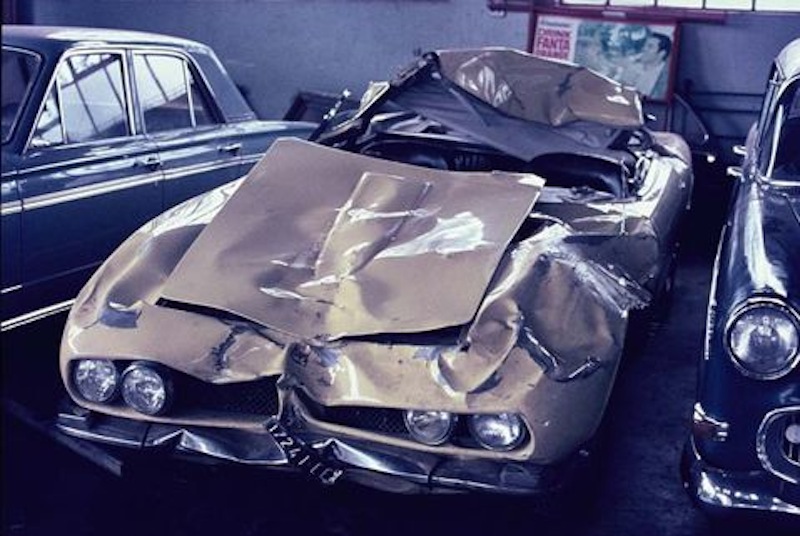


The picture you have raises a problem. An Iso Grifo. I think it is too far gone to be restored
because you would have to make every single body panel again and get them lined up perfectly. On the other hand if you have a spare Iso Grifo with an intact body then you could save a lot of money in the restoration. And this one above may have a special engine or have belonged to some famous personality so you can get a little rub-off glory.
But hat’s a whole ‘nother story, like “Why I saved this totaled looking barn find”