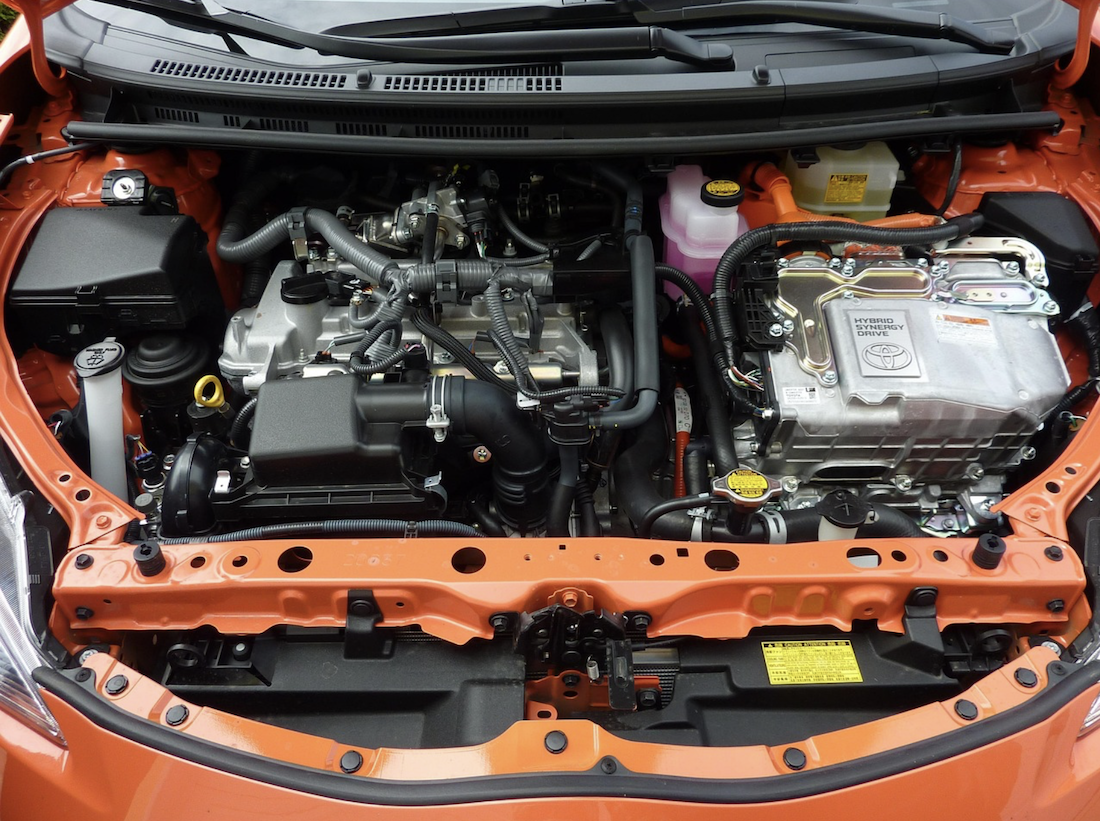
A Toyota Prius usually plays the role of the dependable minimalist: press Power, glide away, forget about it. Head gasket failure feels unfair because it rarely arrives with a bang; it shows up as small “maybe it’s nothing” moments that keep repeating.
Here is the practical truth: Prius head gasket repair cost is shaped by how early the pattern is caught. Ignore the hints and heat snowballs; read the hints and the fix often stays contained.
Is that morning shake a harmless quirk or the first warning?
The classic opener is a rough cold start that clears quickly, like the engine is clearing its throat. Coolant can seep into a cylinder overnight, so the first seconds stumble, then everything pretends it never happened. The giveaway is frequency: once is noise; often is a message.
Common early clues tend to cluster like gossip at a family dinner:
● Cold starts stumble, then smooth out within thirty seconds.
● Coolant level drops slowly, yet no puddles appear underneath.
● Misfire codes pop up, then vanish like a magic trick.
If these keep repeating, it is worth treating them as a pattern, not a fluke.
Why does overheating seem to happen “only sometimes”?
Intermittent overheating is what makes this problem sneaky. A small leak can push combustion gases into the cooling system under load, turning coolant into bubbles that can’t carry heat well. Around town it behaves. On a long hill or steady cruise, temperature rises and cabin heat may suddenly go lukewarm.
If this sounds familiar, these “triggers” are worth noting:
● Long uphill pulls make the temperature creep up faster than usual.
● Cabin heater turns cool right when the engine works hardest.
● White exhaust lingers after warmup, especially with a sweet smell.
● Upper radiator hose stays rock-hard long after shutdown engine.
● Coolant reservoir shows bubbles while idling on a warm engine.
● Repeated misfires make acceleration feel uneven and slightly jerky.
When several of these show up together, diagnostics usually beat waiting for the next episode.
What actually damages the engine when the gasket starts leaking
Think of the gasket as a bouncer between combustion and coolant. When it weakens, pressure sneaks into the cooling system, circulation stutters, and hot spots form. One overheat can warp surfaces; repeated overheats can multiply the repair scope. It can also dirty the oil and stress bearings, even without loud noises. Misfires may send extra fuel into the catalytic converter, so the car can get more expensive while still driving “fine.”
Can a diagnosis be quick without being guessy?
Yes, but it should be boring. A proper workup typically combines scan data (misfire history), a cooling-system pressure test, and a combustion-leak check. In one owner retelling, a tech compared it to “checking footprints before chasing the suspect.”
A simple “before it gets worse” routine that helps
If symptoms are present, drive gently and avoid long high-load climbs until testing is done. Check coolant only when cold, same spot, same angle, and log changes. Skip stop-leak bottles; they can clog passages and blur future diagnosis.
Practical questions that keep estimates and expectations sane:
● Which tests confirmed the leak, and what were the results?
● What is included: machining checks, fluids, bleeding, and verification drive?
● What triggers extra charges, and how approval is handled?
● What post-repair checks are recommended during the first week?
Even a short-written answer to these questions can prevent misunderstandings later.
How to keep it from coming back after it is fixed
The first week matters. Gentle heat cycles, varied driving, and quick coolant checks help the system settle. If cooling components are weak, correcting them based on test results is prevention, not “upsell theater.” Boring checks win.


I was at our local gas station recently when a Prius pulled in. A young lady got out and asked if she could get some air for a low tire. I pointed out that the air pump was over by the propane tank. I finished filling up my Dodge Magnum and was ready to leave when I glanced over and saw the Prius lady trying to insert the propane nozzle into her tire. I then walked over and explained to her what she was trying to do was incorrect. She immediately got belligerent and started yelling at me and told me to mind my own business. So much for the future of this country.