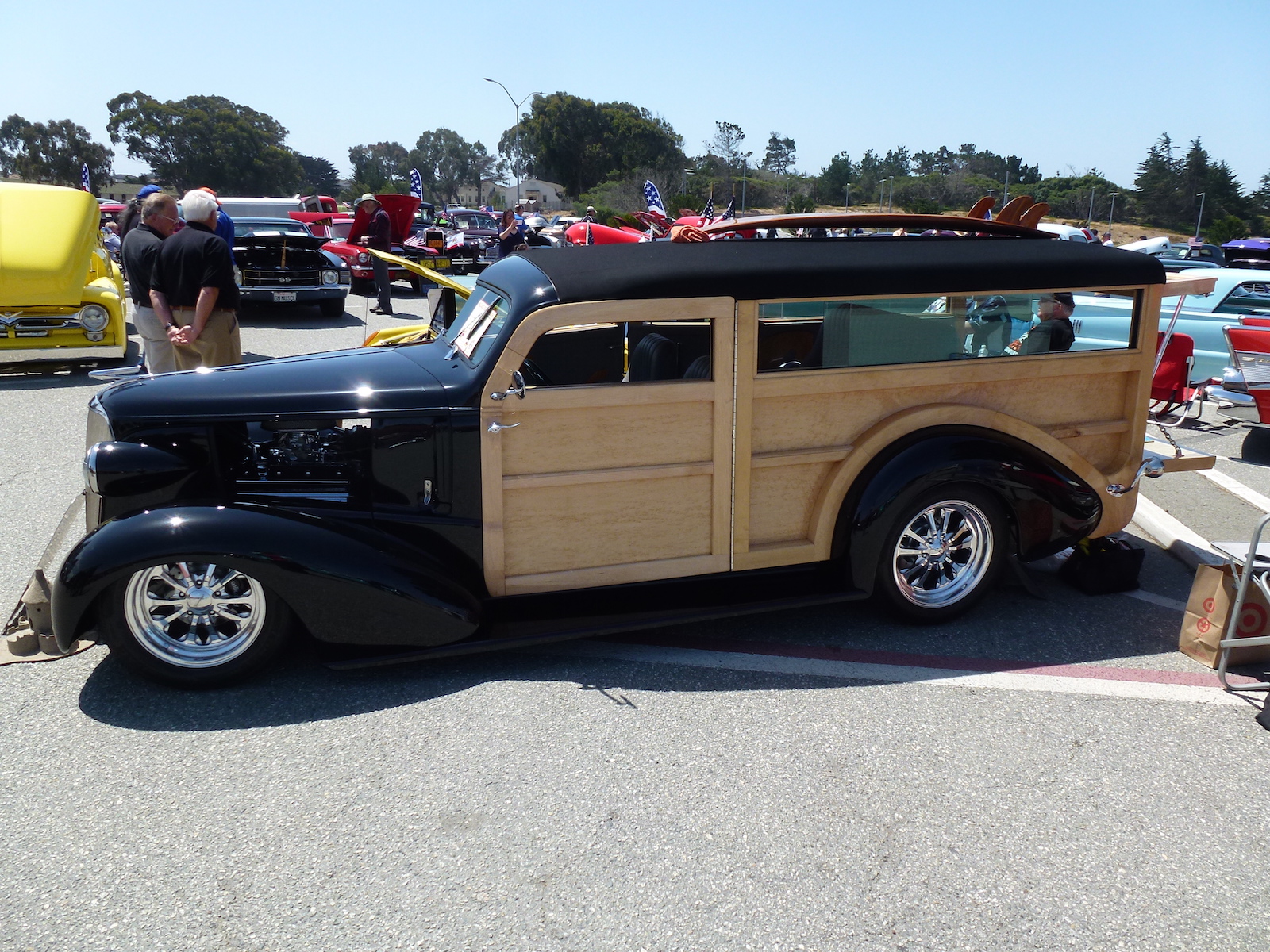
Are you in the market to buy a woody wagon? These rare, unique looking vehicles draw attention everywhere they go and are a crowd pleaser in the classic car world. Part surf culture icon, part depression-era practicality, and part rolling woodworking project, these vehicles attract a specific kind of enthusiast. Whether they’re parked in a beach parking lot or a classic car show, they are a vehicle that certainly catches the eye.
The following guide captures what serious car owners need to look for when shopping for a classic woody wagon—no matter if it’s a postwar Buick or a mid-century Chevrolet.
Buying a woody wagon from out of state sight unseen
The market for woody wagons is thin. Unlike muscle cars or pickup trucks, woodies are extremely rare. Buyers regularly cross state lines or buy sight unseen just to get their dream woody car. If you plan to buy a woody wagon sight unseen, here are a few tips for your purchase.
Request a full set of photos
Don’t just ask for photos of the outside of the vehicle. Request photos of all four wood panels, the roof rail, the tailgate, and the undercarriage of the vehicle.
Ask for a live video walkthrough
Another reasonable request is a video walkthrough. A walkthrough could catch things that a photo could hide.
Get a pre-purchase inspection
For an added layer of protection, ask for a pre-purchase inspection from a local mechanic near the seller. $150-$300 is a small price to pay on a vehicle you’re potentially paying thousands for.
Verify VIN against the title
Original wood commands big premiums and misrepresentation happens. Compare the VIN against the title to ensure it matches. You can also run the VIN number with an NMVTIS-approved title checker service.
Worries about mileage wear and road surprises on the way home
Once you find a woody wagon you do like and that’s verified, the next step is to get it to your home. For classic vehicles, the ride itself can become a danger zone. Auto transport companies can help offset this concern.
Keep in mind, woody wagons are between 60-90 years old. Highway speeds stress them differently than short local drives do. High speeds and unpredictable traffic flows can wreak havoc on an older engine and vehicle body.
Another factor to consider are cooling systems. The cooling systems built 60+ years ago weren’t designed for sustained modern highway speeds. This makes overheating during the journey to its new home a real risk for your classic woody.
Classic cars also spend a lot of time sitting in garages and parking lots. This can cause problems with carburetors on them. Many of these carburetors develop varnish deposits that can misbehave when placed under load.
Structurally, wood panels can expand and contract with humidity changes crossing different climate zones. That’s especially important for a vehicle like a woody wagon. One of their most attractive features is their design—and wooden panels that fall off half-way to your destination can leave you with buyers’ remorse.
Original drum brakes on woody wagons need a recent inspection before you can trust them on steep grades or with emergency stopping as well. Old tires could also look just fine in the photos, but they could have cracked sidewalls. This means you’ll have to replace them before taking the car on a long drive anywhere.
How enclosed auto transport can protect a classic wood body
For most woody wagon buyers completing a cross-country purchase, enclosed auto transport is not a luxury, it is a responsible decision. The wood body panels that define a woodie’s value are among the most damage-sensitive surfaces on any vehicle being moved across the country.
Why enclosed transport makes sense specifically for woody wagons:
1. Open vehicle carriers expose wood panels to debris, weather, UV, one stone strike can split original wood and damage your investment.
2. Enclosed auto transport protects against temperature swings, humidity, and physical impact of simply being on the road as a 60+ year old vehicle.
3. Most woodies qualify as collector vehicles under carrier insurance classifications, and enclosed transport typically comes with higher declared value coverage options than open carriers offer.
4. Good car shipping companies that specialize in collector or classic vehicles understand how to properly block and brace a woodie for transit, including how to support the body without putting pressure on the wood framing.
5. When researching woody wagon auto transport companies, ask specifically whether the carrier has experience with woodie or classic wooden-body vehicles, handling requirements differ meaningfully from standard collector cars.
For buyers weighing cross country shipping options for a recently bought woody wagon, comparing how established transport carriers approach classic vehicle logistics, including equipment, insurance, and experience with woody-body vehicles, is a more reliable starting point than choosing on price alone.
What to know about woody wagon valuation before you buy
With woody wagon classic cars, the value of the vehicle is primarily driven by the condition of wood paneling, rather than the mechanical condition of the vehicle. Original wood in sound condition beats restored wood on a perfect mechanical car.
The Antique Automobile Club of America (AACA) maintains judging standards and member resources that help buyers understand what constitutes correct, original, and restored condition for specific woody wagon models.
Reproduction wood kits are available for most common models like Ford, Buick and Chrysler woodies from the late 1940s and early 1950s. However, installation costs add anywhere from $5,000 to $15,000 to a restoration budget depending on the shop.
Factory documentation, build sheets, and original window stickers add meaningful premiums on woody wagons just as they do on muscle cars. Request whatever paperwork the seller has before negotiating.
Insuring and storing a woody wagon after it arrives
Standard auto insurance is wrong for a classic woody wagon vehicle. Agreed-value collector car coverage is the appropriate product for any woodie being added to a collection.
The Classic Car Club of America provides member resources on agreed-value policies pay the full insured amount in a total loss without depreciation deductions—critical for a vehicle where the wood body alone may represent the majority of appraised value.
Climate-controlled storage is strongly recommended for woodies in climates with significant humidity swings. Wood panels that cycle between wet and dry conditions develop checking and joint separation over time.
A professional appraisal from a certified classic car appraiser within 60 days of purchase establishes documented value for insurance purposes and gives you a baseline for tracking appreciation.
Conclusion
Woody wagons are among the most distinctive vehicles in American automotive history. Buying one intelligently, transporting it safely, and maintaining the wood body over time requires more planning than a standard classic car purchase. But for owners who do the work upfront, the result is a vehicle that draws genuine admiration wherever it goes.


Speak Your Mind