Collector car handovers need agreed details before the vehicle leaves, because records, spare parts, and known quirks often affect how the next owner understands the car. Older cars carry value in their history, service records, and marque details, so the exchange needs more care than a normal used-car pickup.
The goal is to confirm what is being handed over, its condition, and how the next owner or carrier should handle it. A few written notes, photos, and checks can prevent awkward follow-up calls and give both sides a shared record.
Get the paperwork in order early
The paperwork side is easier to deal with while the car is still available for inspection, because the buyer can compare documents with the vehicle instead of chasing answers after collection. The title, bill of sale, lien release, odometer disclosure, import papers, and restoration invoices should be grouped together. The VIN or chassis number should also match the documents, since the title should match the car rather than only the listing description. Older collector cars may have body, chassis, engine, or gearbox numbers recorded differently, so mismatches need attention before loading.
Make a clear list of extras
Items that come with a collector car can be just as important as the car’s visible condition, especially when originality affects value. Tool rolls, jacks, manuals, spare wheels, hardtops, side curtains, radios, trim pieces, service receipts, and removed factory parts should be written down and photographed before pickup.
Loose items also need a plan if the car is being shipped. A buyer asking “can I put stuff in my car when I ship it” should treat manuals, tools, and spares as part of the handover inventory, not as random cargo. Pack them securely and confirm the carrier’s rules before pickup.
Record condition clearly
Condition notes help most when they describe the car in enough detail for both sides to understand what was present at release. Photos of the body, glass, wheels, interior, engine bay, odometer, VIN plates, and easy-to-reach underside areas can create a shared record. A short video of the car starting, showing lights, and moving under its own power can also help when the buyer is not there.
Known faults should be included because they can look suspicious when discovered later without context. A weak battery, sticky latch, nonworking horn, tire flat spot, or minor fluid seep may be familiar to the seller but new to the buyer. In a private sale, private sale protections are limited, so clear notes give the buyer a fairer picture.
Prepare the car for collection
The collection plan should account for the way the specific car starts, rolls, steers, and loads, not just the pickup address and payment timing. Low ground clearance, long overhangs, a manual choke, battery cutoff, kill switch, or hot-start habit can all matter to the person moving it. Starting instructions, a spare key, and a note on anything fragile can prevent rough handling by someone who doesn’t know the car.
Before release, check tire pressures, fuel level, loose trim, fluid leaks, and whether it can be winched if it will not run. Payment should be confirmed, insurance responsibilities should be clear, and both parties should keep copies of the documents, photos, and item list. A careful handover gives the next owner facts to work from.
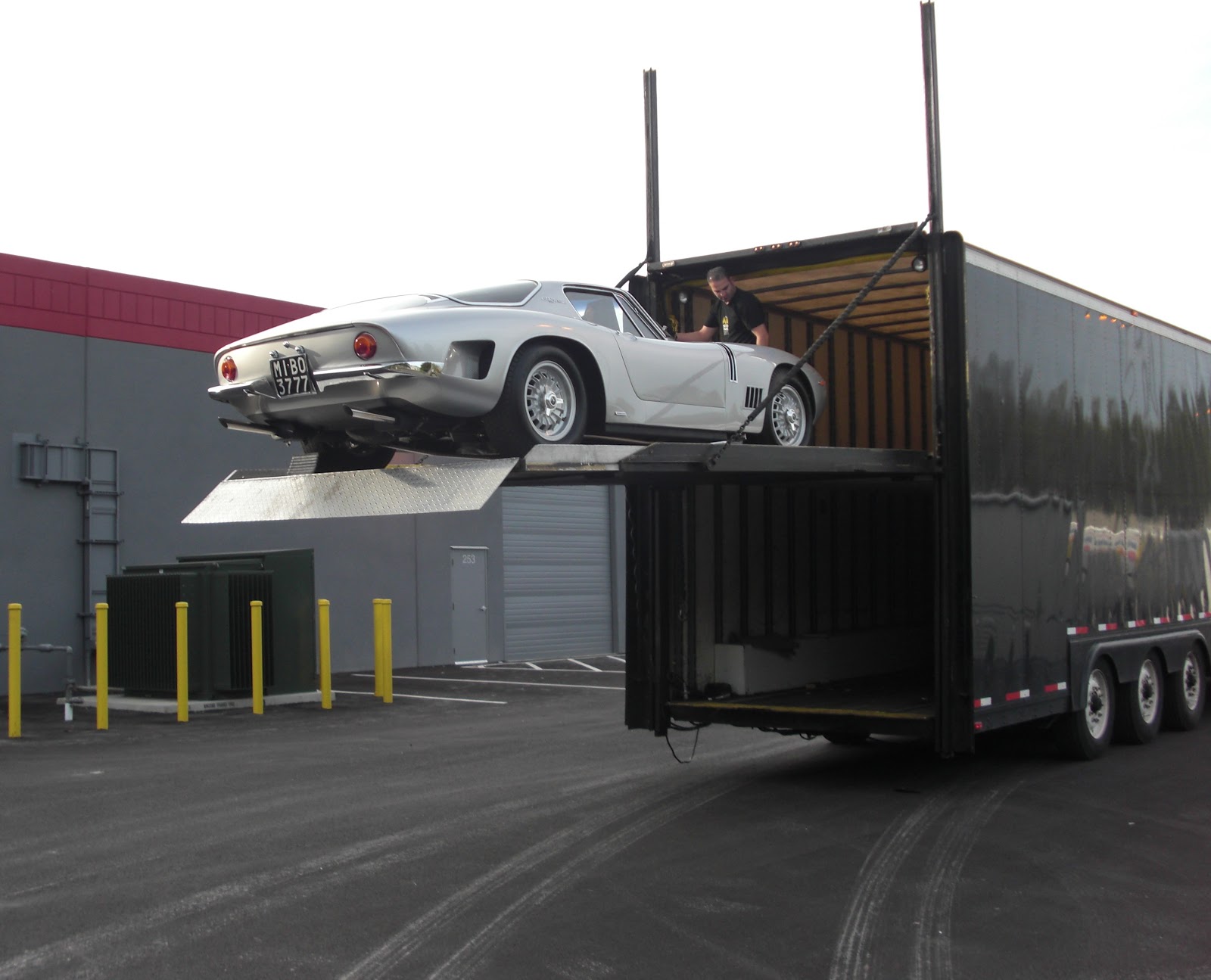
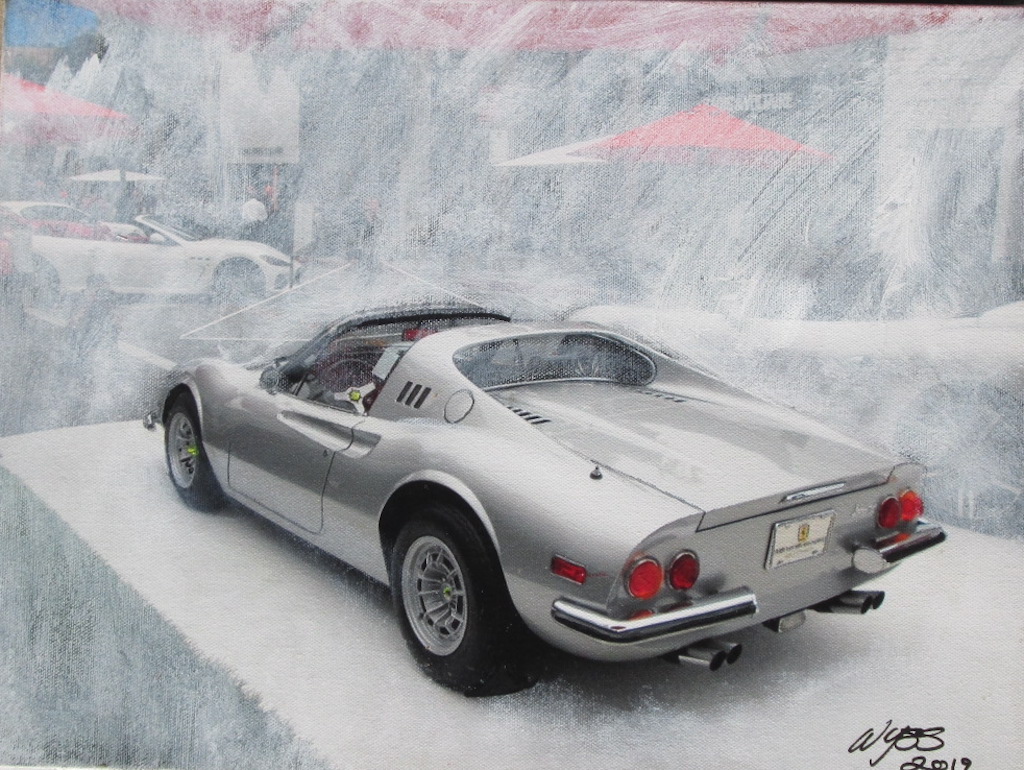


I bought a Bitz and never thought of asking if there were extra parts. Years later the son of the man that sold it contacted me offering to sell me extra chrome trim incuding script of the name of the car, etc. If I would have asked originally for spare parts during the transaction it might have been thrown in.You don’t realize how valuable these bits are until years later.