If you spend time off the pavement, you already treat your rig as a rolling toolkit. Recovery boards, spare parts, extra water. Yet one risk rarely makes the packing list until it is too late: fire. A stray spark, a hot exhaust over dry grass, or a distant blaze can turn a great day in the backcountry dangerous fast.
That is where a dedicated setup earns its place. A slide-in unit like BLZ Fire Skids gives you a way to knock down a small spot fire before it spreads, right from your truck or UTV. It is preparation, not bravado. This guide covers what a fire skid is, how it fits your rig, and how to use one responsibly.
Why Do Off-Roaders Need Fire Gear?
Because you are often first. Help can be far away.
Deep on a trail or on remote acreage, professional crews may be many miles and long minutes out. In those first moments, a small fire is far easier to stop than a large one. Carrying basic suppression gear is simply part of being self-reliant out there.
The point is time. Early action beats waiting helplessly.
What Is a Fire Skid, Exactly?
A self-contained suppression unit. It drops into your bed.
A fire skid combines a water tank, pump, and hose on a frame that slides into a truck bed or onto a UTV. It turns a capable vehicle into a mobile first-response tool. The best ones are built to take the same abuse as the rig they ride in.
The point is integration. Your vehicle becomes the platform.
How Does It Fit Your Rig?
Like any other upfit. Mounting is straightforward.
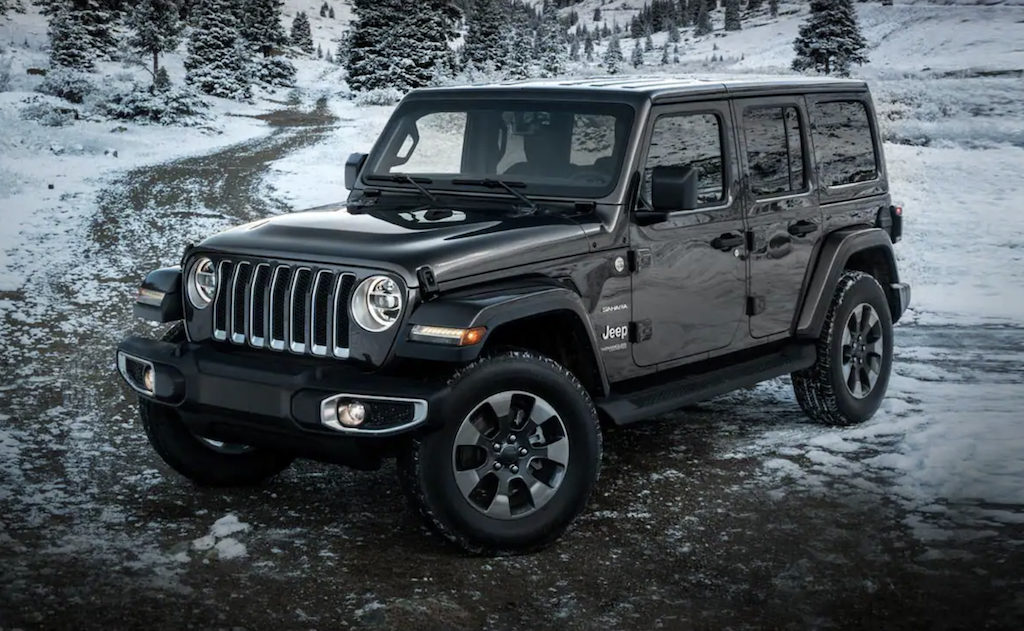
If your UTV already runs a windshield that protects you from rocks and debris, adding a skid is a familiar kind of build. It secures to existing bed or frame points. Balance the load and keep access clear, just as with any gear.
The rule is fit. Mount it like the pro tool it is.
What Else Should You Carry?
The usual essentials, plus water. Redundancy saves days.
Alongside a skid, keep the spare parts for trucks and trailers you already pack for remote trips. Extra water, gloves, and a shovel round out a basic fire kit. Preparation is a system, not a single gadget.
Is a Fire Skid a Substitute for the Fire Service?
Absolutely not. This matters most.
A skid is for prevention and small spot fires only, never for fighting a real wildfire. Official guidance like the OSHA information on wildfire safety is clear that active wildfires are for trained crews. Always call 911 first, and never put yourself between a fire and your only way out.
The rule is humility. Know the limits of your gear.
Why Is Wildfire Preparation Growing?
Because the risk is rising. The data is sobering.
More people live and play in fire-prone zones than ever before. Homes and wildlands increasingly overlap, a shift mapped in NIST research on the wildland-urban interface. For anyone spending time in these areas, basic readiness is common sense.
The point is awareness. The exposure keeps climbing.
How Do You Use a Fire Skid Safely?
With training and judgment. Gear is only half of it.
The rules for using one responsibly are these 5:
- Call 911 first. Report any fire immediately.
- Only small fires. Never take on a real wildfire.
- Keep an exit. Always have a clear way out.
- Never go alone. Have a second person present.
- Maintain the kit. Check the pump and water often.
Each rule keeps you safe. Together they make the gear an asset, not a hazard.
Key Points to Keep In Mind
- Off-roaders are often first on the scene of a small fire.
- A fire skid puts water, a pump, and a hose in your rig.
- It mounts like any other truck or UTV upfit.
- It is for spot fires only, never a real wildfire.
- Always call 911 and keep a clear escape route.
- Growing time in fire-prone areas makes readiness sensible.
Riding Prepared
Loading a fire skid onto your rig is not about playing hero; it is about respecting where you ride and being ready for a bad moment. Used within its limits, for prevention and small spot fires, it is one more way the self-reliant off-roader stays a step ahead of trouble. Pair it with training, good judgment, and a firm habit of calling for help early, and you protect not just your vehicle, but the land and people around you.
Frequently Asked Questions
What Is a Vehicle Fire Skid?
A fire skid is a compact firefighting unit, combining a water tank, pump, and hose on a frame, designed to slide into a pickup bed or mount on a UTV. It turns a capable off-road vehicle into a mobile tool for tackling small spot fires. Popular with rural property owners and backcountry travelers, it is built for prevention and rapid early response, not for fighting large, active wildfires.
Can a Fire Skid Put Out a Wildfire?
No, and it should never be used that way. A fire skid is meant for prevention and knocking down small spot fires before they grow. Active wildfires are dangerous and unpredictable, and only trained professional crews should engage them. The right move in a real fire is to call 911 immediately, keep a clear escape route, and get yourself to safety rather than attempting to fight it.
Who Should Consider a Fire Skid?
They suit people who spend time on remote, fire-prone land: ranchers, rural homeowners, overlanders, and off-road enthusiasts. If professional help is likely to be far away when a small fire starts, having suppression gear on board can make a real difference in those first minutes. It is a practical addition for anyone whose work or recreation takes them well beyond quick emergency response.
How Do I Use a Fire Skid Responsibly?
Treat it as a prevention and early-response tool, never a substitute for firefighters. Call 911 the moment you spot a fire, tackle only genuinely small flames, and always keep a clear exit. Work with at least one other person, never alone, and stop if the fire grows. Finally, maintain the equipment so the pump and water supply are ready the day you actually need them.


Speak Your Mind