A 2004 Pathfinder and a 2014 Pathfinder may have similar asking prices, similar mileage, and the same familiar badge on the grille. Yet beneath the sheet metal, they’re completely different SUVs built with very different priorities.
Choosing the right used Pathfinder isn’t about chasing the lowest mileage or the newest model year. It’s about understanding how the vehicle evolved and knowing which generations earned their reputation.
How the Pathfinder Changed Over the Years
Shopping for a used Pathfinder can be confusing because you’re not just choosing between model years—you’re choosing between completely different SUVs.
The first three generations were built on a truck-based platform, giving the Pathfinder its reputation for durability, towing capability, and off-road confidence. With each redesign, Nissan also made the SUV more comfortable and family-friendly.
Everything changed in 2013.
The fourth-generation abandoned its body-on-frame construction in favor of a unibody crossover platform. The move improved ride quality, fuel economy, and interior space, but it also introduced the CVT transmission that would become the biggest concern for many used-car buyers.
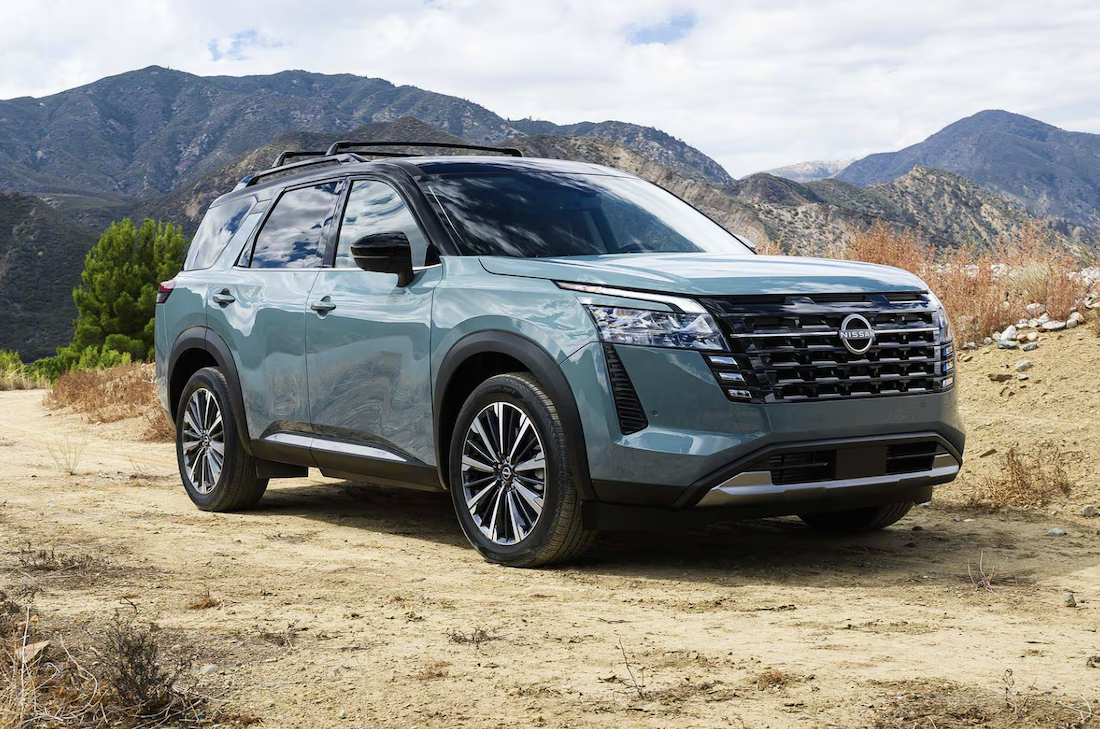
The latest generation tells a much different story. Nissan replaced the CVT with a nine-speed automatic transmission, upgraded the interior, and gave the Pathfinder a more confident design. Today, it competes much more effectively with Kia Telluride and Hyundai Palisade.
If you would rather avoid the uncertainty associated with an older vehicle, you can check it here and compare newer Pathfinder models currently available.
The Best Nissan Pathfinder Model Years
Every generation has loyal fans, but a few model years consistently stand out. If reliability is your top priority, these are the Pathfinders we’d start looking for.
2001–2004: Simple Engineering Ages Well
Ask longtime Nissan enthusiasts which Pathfinder they’d trust to drive across the country tomorrow, and many will point to the final years of the R50 generation.
These SUVs arrived after Nissan had several years to refine the platform, pairing the dependable 3.5-liter V6 with relatively straightforward engineering.
Of course, these vehicles are now more than twenty years old, so condition matters far more than mileage. A Pathfinder with complete service records, minimal rust, and evidence of regular maintenance is worth paying extra for. A neglected example—even with fewer miles—can quickly become an expensive restoration project.
2011–2012: The Sweet Spot of the R51
If someone asked us to recommend a used model that still feels capable without costing new-car money, the conversation would probably begin with the 2011 Nissan Pathfinder and 2012 models.
By then, Nissan had already addressed many of the issues that had affected earlier production models. What remained was a genuinely capable SUV with respectable towing capacity.
Buyers often compare these Pathfinders with the Toyota 4Runner. And while Toyota’s reputation for durability is well deserved, it also comes with a noticeably higher price tag. A well-maintained late-model R51 can deliver much of the same practicality and towing confidence while costing thousands less on the used market.
2022 and Newer: Nissan Finally Got the Formula Right
Sometimes one engineering decision changes the way an entire vehicle is perceived. For the Pathfinder, that moment came when Nissan replaced the CVT with a conventional nine-speed automatic transmission.
The newest vehicle accelerates more naturally, feels more composed when towing, and inspires noticeably more confidence during everyday driving.
Nissan also raised the bar inside the cabin. Material quality improved, technology became easier to use, and the available driver-assistance systems finally put the Pathfinder on equal footing with segment leaders.
Today’s model also closes much of the gap to the Kia Telluride and Hyundai Palisade. While every buyer will have a favorite in this highly competitive segment, Nissan deserves credit for building a Pathfinder that once again feels like a legitimate contender rather than an alternative chosen only because it happened to be on sale.
The Nissan Pathfinder Years to Avoid
Here’s the thing about “years to avoid” lists—they’re often too simplistic.
A model year that earns a bad reputation isn’t necessarily a vehicle you should never buy. More often, it’s a vehicle that demands better documentation, a more careful inspection, and realistic expectations.
With the Pathfinder, two periods deserve far more scrutiny than the rest.
2005–2008: A Great SUV with One Costly Weakness
On paper, the early R51 Pathfinder checked nearly every box.
It offered genuine body-on-frame construction, respectable towing capability, available four-wheel drive, and a V6 that had already proven itself in other Nissan models.
Unfortunately, one design flaw overshadowed everything else.
Many early R51 Pathfinders became known for radiator failures that allowed coolant to mix with transmission fluid. Owners nicknamed the problem the “strawberry milkshake of death” because of the fluid that resulted when the two systems contaminated each other.
Once that happened, the transmission often suffered severe internal damage, turning what should have been a relatively affordable used SUV into a repair bill worth several thousand dollars.
The good news is that many surviving examples have already been fixed.
2013–2014: The Risk That Came with Reinvention
When Nissan introduced the fourth-generation Pathfinder, it wasn’t just launching a new model—it was reinventing the nameplate.
The rugged truck chassis disappeared.
In its place came a lighter unibody platform, improved fuel economy, a smoother ride, and a continuously variable transmission.
But the CVT quickly developed a reputation for hesitation, shuddering, overheating, and premature wear. Not every car experienced these problems, but enough owners did that the transmission became the defining story of the early fourth generation.
Ironically, these models are often among the cheapest Pathfinders you’ll find online today.
If you’re seriously considering a 2013 or 2014 Pathfinder, service history becomes even more important than mileage. Look for evidence of regular transmission maintenance or a documented replacement.
2017: Better—But Still Worth Investigating
By 2017, Nissan had already addressed many of the complaints surrounding the early R52.
Software updates, component revisions, and production improvements helped reduce the frequency of transmission-related issues. The Pathfinder became noticeably more refined than the first years of the redesign.
That said, buying a 2017 model still calls for a careful test drive.
Pay close attention to how the transmission behaves after the vehicle has fully warmed up. Smooth acceleration, consistent shifting, and the absence of vibration are encouraging signs. Any hesitation or unusual behavior deserves a closer inspection before money changes hands.
Think of the 2017 Pathfinder as a transition year—not one we’d automatically avoid, but certainly one we’d evaluate more carefully than the newest generation.
What to Inspect Before Buying Any Used Pathfinder
Finding the right Pathfinder is about finding the SUV that has been cared for.
Before you fall in love with a low asking price, spend a few minutes looking at the paperwork. Maintenance records often reveal far more about a Pathfinder’s future than its odometer ever will.
A well-maintained SUV with 170,000 miles and a folder full of service receipts is usually a smarter purchase than one showing 90,000 miles with little evidence of regular maintenance. Oil changes, cooling system service, transmission maintenance, and suspension repairs all tell a story about how the vehicle was treated.
If you’re looking at a 2005–2008 model, start by asking about the radiator. If it has already been replaced—and the owner can prove it—that removes one of the generation’s biggest concerns.
For 2013–2020 models, pay extra attention to the transmission. The test drive shouldn’t last five minutes around the block. Drive the SUV long enough for everything to reach operating temperature, then pay attention to how it accelerates from a stop, merges onto the highway, and responds during moderate throttle inputs.
Smooth operation is encouraging.
Hesitation, vibration, shuddering, or delayed acceleration deserve further investigation.
While you’re under the hood, inspect the coolant and transmission fluid for signs of contamination or neglect. Neither should appear burnt, excessively dirty, or discolored. These quick checks won’t uncover every hidden problem, but they can reveal obvious warning signs.
Don’t forget the suspension, either.
Many Pathfinders spend their lives towing boats, hauling campers, or carrying growing families on long road trips. That’s exactly what they’re built to do—but those jobs also wear out shocks, bushings, wheel bearings, and steering components over time. Listen for clunks over rough pavement, pay attention to excessive body movement, and make sure the SUV tracks straight without unusual vibrations.
Final Verdict
The Pathfinder spans five generations, but each one has its own reliability record.
If we were shopping today, we’d start with the 2001–2004, 2011–2012, or 2022-and-newer models. The 2005–2008 and 2013–2014 Pathfinders aren’t necessarily deal-breakers, but they require careful documented maintenance and a thorough inspection.
In the end, the best choice isn’t simply the newest or the cheapest—it’s the one that’s been cared for. Find that, and you’ll likely own an SUV that’s ready for many more miles of dependable service.


A year ago this company was on the cusp of bankruptcy ! Honda was smart not to get involved. The downfall began the moment Datsun was replaced by a name no one had ever heard of.