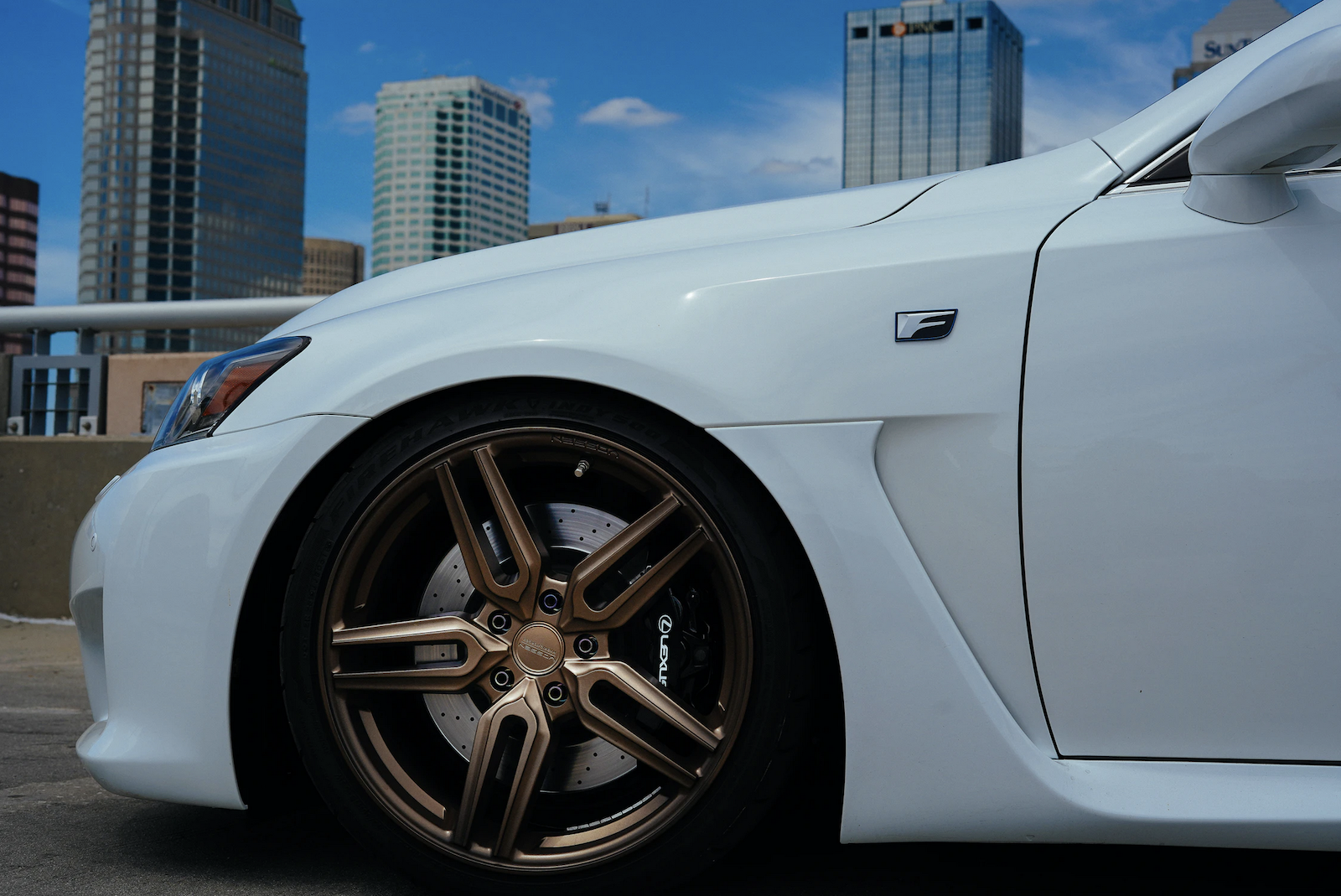
A part that once disappeared behind a wheel spoke is now one of the first things people notice about a car sitting at a stoplight. Brake calipers, long treated as purely mechanical components tucked out of sight, have steadily moved into the visual spotlight as automotive design has evolved.
The shift comes down largely to wheel architecture. Open-spoke designs and wider wheel diameters have made the custom wheel sizing and visual impact conversation inseparable from the braking system sitting behind them. With so much of the brake rotor and brake caliper now exposed, automakers began treating that space as design real estate rather than dead air.
Today, color choices, brand markings, and caliper sizing all communicate something before a door even opens. A set of disc brakes finished in a bold color signals a performance variant, while a clean, monochrome setup suggests restraint and refinement. Either way, the caliper is no longer hidden hardware. It is part of the vehicle’s identity.
Why Calipers Now Shape a Car’s Visual Identity
Open-spoke wheels and larger wheel diameters expose the brake rotor and brake caliper far more than older wheel designs ever did. That exposure changed how automakers think about the braking system, shifting it from purely mechanical hardware into visible design real estate. Color, branding, and caliper size now signal performance, trim level, and vehicle character at a glance, which means the caliper has earned a genuine role in how a car presents itself to the world.
How Performance Cues Turned Into Design Language
The cultural groundwork for caliper styling was laid long before it became a mainstream design tool. Motorsport associations and deliberate OEM choices trained buyers to read calipers as part of a vehicle’s personality, and that shift in perception is what made the trend possible.
Racing Heritage Made Calipers Look Aspirational
Motorsport played a defining role in making the performance brake caliper a recognizable status symbol. Long before open-spoke wheels became mainstream, racing audiences watched exposed calipers on track cars handle extreme stopping demands, and that association between visible hardware and serious capability became embedded in car culture.
Brembo was central to building that visual shorthand. Their calipers appeared on Formula 1 cars, high-end sports cars, and supercars, and the sight of a multi-piston caliper gripping a large rotor became synonymous with braking systems built for performance rather than bare adequacy. Red and yellow finishes, common in motorsport applications, carried that meaning directly into public consciousness.
By the time open-spoke wheel designs reached volume production, buyers already understood what a bold, visible caliper communicated.
OEMs Now Use Color and Logos on Purpose
Automakers recognized this cultural cue and began using it deliberately. Colored and branded calipers became one of the more cost-effective ways to differentiate a sport trim from a base model, communicating a vehicle’s character through making your car visually stand out at a glance rather than requiring the observer to read a badge.
Red, yellow, black, and body-contrast finishes migrated from sports and luxury models into broader lineups, where they function as visual shorthand for capability. Factory logos stamped on the caliper body reinforced brand identity down to the braking system itself.
Today, a well-finished caliper communicates status even when a vehicle is parked, long before anyone considers how the Brembo braking technology behind it actually performs.
Why the Hardware Itself Affects the Look
Styling is not only about paint color. Caliper architecture, material, and finish all affect what the eye sees behind the wheel, and understanding those differences helps explain why some calipers look purposeful while others simply look functional. Owners who want the stock caliper to read as a cleaner visual element have several finish paths available, including factory coatings, powder coating, and brake caliper painting, each offering a different balance of cost, durability, and appearance. In areas like Orange County, California, where car culture places a premium on clean presentation, these choices come up often.
Fixed and Multi-Piston Designs Look More Deliberate
Not all calipers present the same visual weight behind a wheel. A fixed caliper, which mounts rigidly to the upright and uses pistons on both sides of the rotor, tends to appear more substantial and intentional than a floating caliper, which slides on guide pins and often carries a simpler, more compact profile.
That difference in architecture reads clearly through open spokes. Multi-piston fixed designs have a symmetry and density that suggests engineering purpose, while a single-piston floating caliper, however capable, tends to look more utilitarian by comparison.
Materials and Finishes Change Both Form and Feel
Material choice shapes both the physical silhouette and what can be done with the surface. An aluminum caliper allows for cleaner, lighter-looking geometry with sharper edges, while cast iron construction tends to produce bulkier forms that prioritize function over visual refinement.
Finish work narrows that gap considerably. Powder coating and high-temperature paint give surfaces a more polished, consistent appearance while also protecting against the heat a brake rotor generates during repeated stops. Factory and aftermarket applications favor these finishes equally, precisely because they serve both aesthetic and durability goals at once.
What Owners Can Change Without Confusing Style With Safety
Cosmetic customization and actual brake upgrades are not the same category, and the distinction matters more than it might initially seem. Before making any change to a caliper, it helps to understand what each option actually does to the braking system.
Paint, Covers, and Upgraded Calipers Are Not Equal
Not every change made to a brake caliper carries the same consequences. Paint is the most straightforward option: it alters color and finish but leaves the braking system’s function completely untouched. Caliper covers work similarly at first glance, slipping over the existing unit to mimic the appearance of a larger, more substantial caliper without affecting braking force.
A true performance brake caliper upgrade is an entirely different category. Replacing the caliper itself can change piston count, clamping force, heat management, and overall braking behavior, not just appearance.
Any modification around disc brakes must account for three factors: heat dissipation, clearance between the caliper body and the wheel, and continued access for routine service. A cover that looks flush at installation can create clearance problems as components expand under braking temperatures. The distinction matters because treating a cosmetic change as equivalent to a functional one leads to mismatched expectations, and in a safety-critical system like the brake caliper, that gap is worth understanding before any modification begins.
The Takeaway for Modern Car Design
Brake calipers became style elements through a combination of circumstance and intent. Open-spoke wheels exposed the hardware, racing culture made it meaningful, and automakers recognized that a well-finished caliper could signal performance or refinement before a word was spoken.
Shape, finish, and Brembo branding now contribute directly to how a vehicle is perceived from the outside. That visibility, however, does not change what the component actually does. The brake caliper remains part of a safety-critical braking system, and every aesthetic decision made around it, whether chosen in Orange County, California, or anywhere else, sits within that reality.


Speak Your Mind