by Mike Gulett –
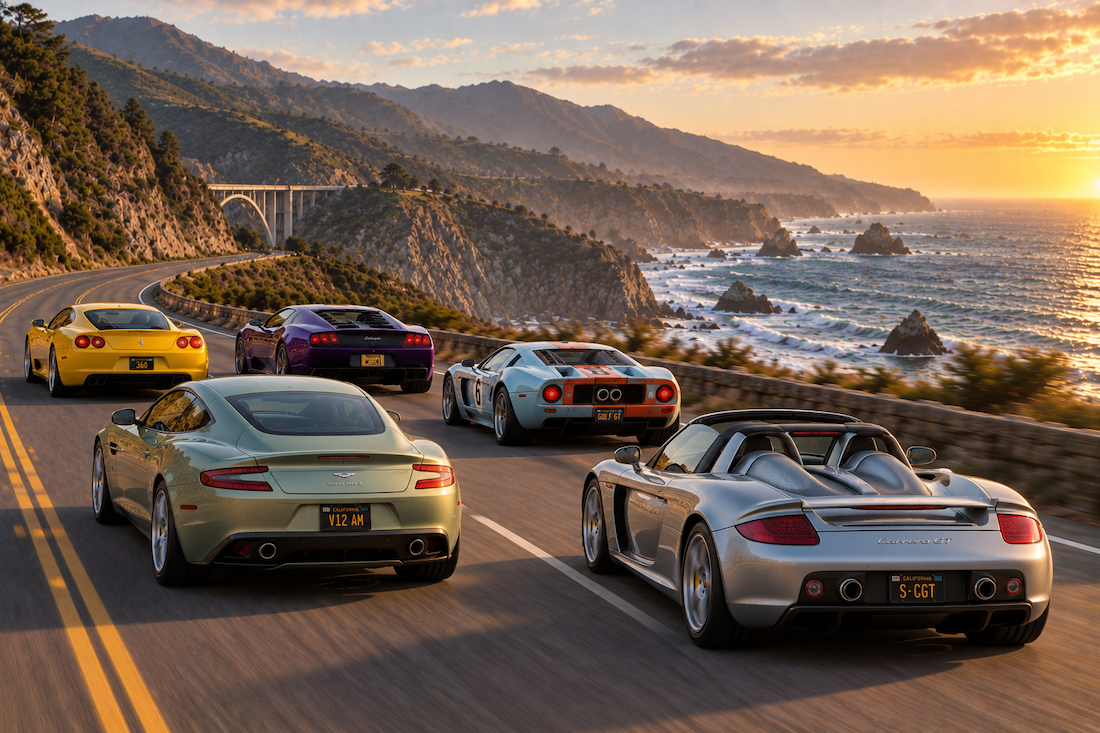
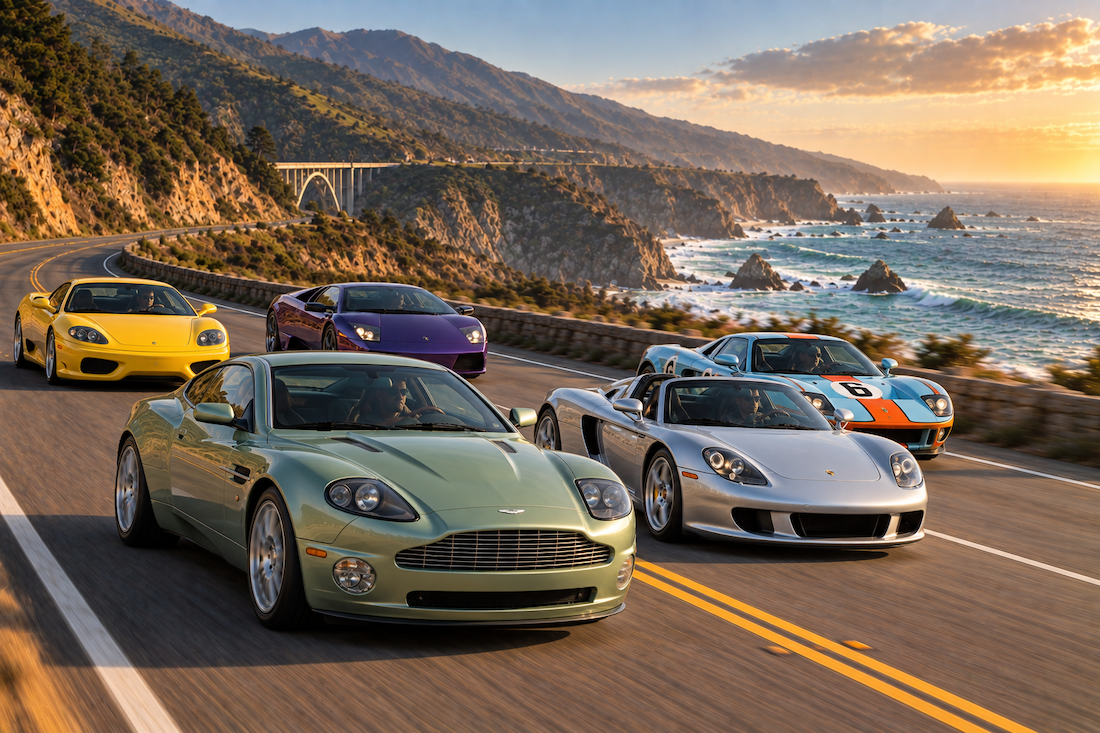
I now realize that cars I think of as modern cars are becoming classic cars. A 2005 Ford GT is now more than twenty years old; as is the Aston Martin Vanquish and the Ferrari 360 Modena is even older. The BMW Z8, Lamborghini Murciélago and Mercedes-Benz SLR McLaren now belong to an era that is disappearing into the history books. Yet somehow these cars do not really seem to be old to me. Many of us remember when they were new and maybe that is why the collector-car world has been slow to recognize what is here — the early 2000s are becoming classic-car history.
The Last Modern Analog Cars
For years we have divided cars into easy to remember categories. Prewar cars, postwar sports cars, muscle cars, Italian exotics from the 1960s and 1970s, supercars of the 1980s and 1990s and some others.
However, it seems that the cars from around 2000 through 2010 occupy a unique and interesting place. They arrived right before software began controlling the cars. They had computers, electronic fuel injection, anti-lock brakes, traction control and sophisticated engine management — but the driver still had direct control of the car.
Steering wheels were connected mechanically to the front wheels, instruments were actual instruments rather than television screens, and many cars had manual transmissions. Those days may be gone for good.
Ford GT
The 2005–2006 Ford GT is a perfect example. Instead of building a copy of the GT40 Ford delivered a modern supercar that had much of the character of the original, including the exterior styling. It had s supercharged 5.4-liter V8 sitting behind the driver, a six-speed manual gearbox and no automatic transmission option. Would they do that today?
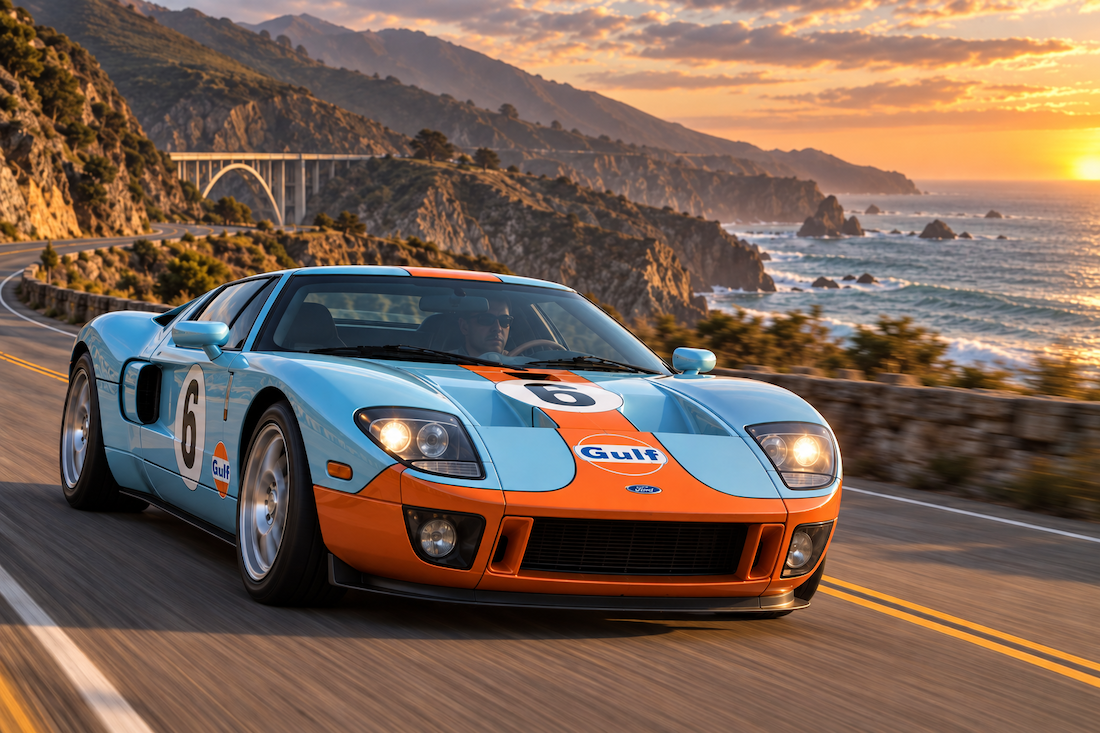
The Ford GT was created during a period when car manufacturers had not yet determined that every technical problem required another computer and corresponding software. The Ford GT resulted in a car that was reliable and usable but still demanded participation from the driver.
Aston Martin Vanquish
When the original Aston Martin Vanquish was introduced in 2001 it looked very modern. Ian Callum’s design was muscular and elegant without being delicate. And now more than two decades later, it still looks contemporary and very stylish.
Under that long graceful hood was a naturally aspirated V12, and the car’s early automated manual transmission could be temperamental and attracted plenty of criticism. But perfection isn’t necessarily what makes an interesting collector car. The Vanquish has plenty of character and Aston Martin was a pioneer in the use of this type of transmission.
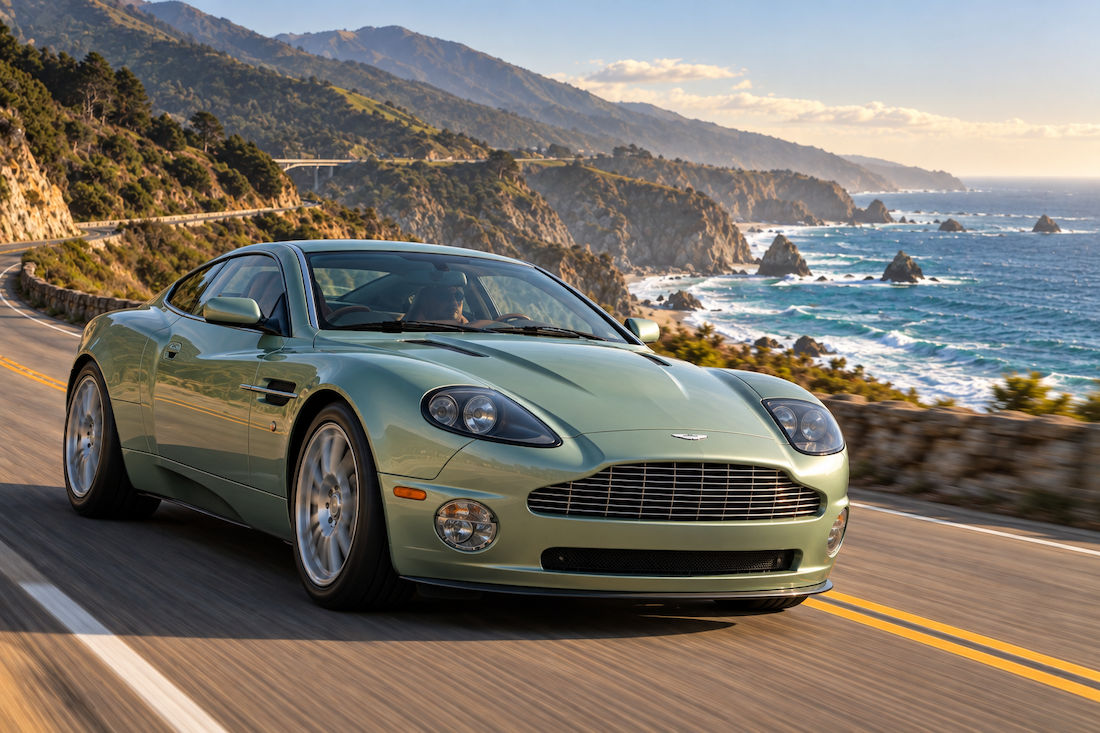
The Vanquish represented the beginning of Aston Martin’s modern era while retaining much of the personality of the old one. That combination was interesting then and even more so today.
Ferrari 360 Modena
When introduced in 1999, the 360 represented a significant technological leap over the previous F355. The 360 had an aluminum chassis, sophisticated aerodynamics (including under the car) and dramatically improved usability. And you could order one with a gated six-speed manual transmission or the automated manual F1.
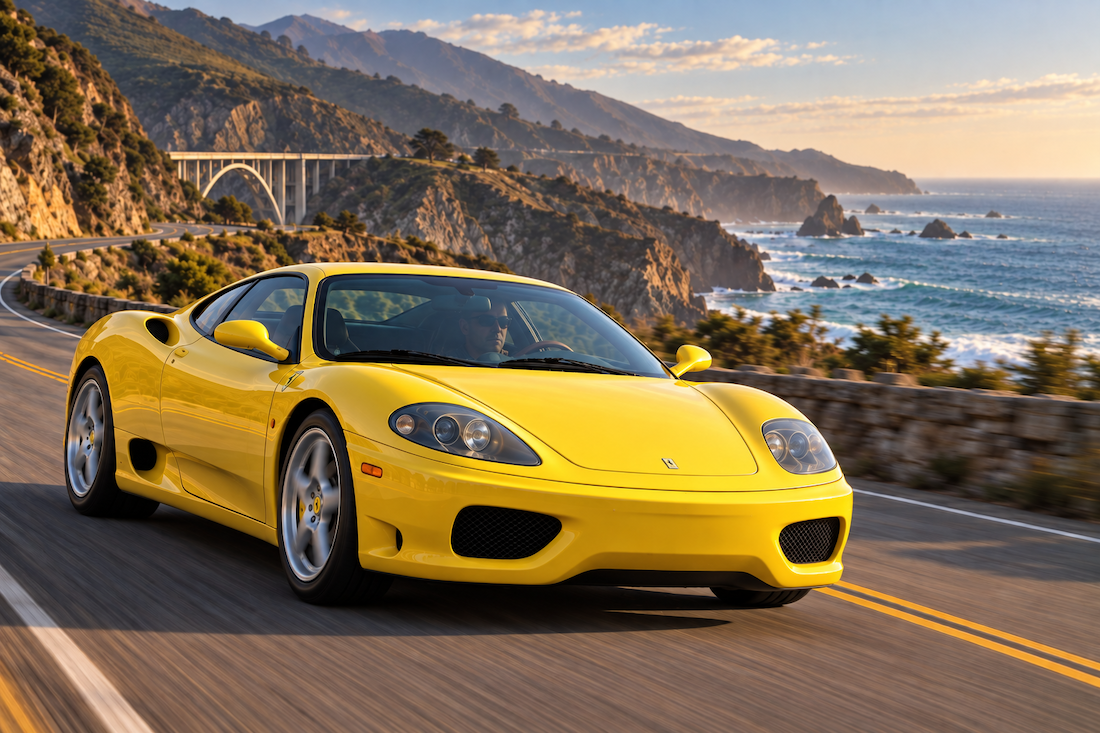
At the time, the manual transmission simply seemed like one of two transmission choices but now it can significantly influence collector’s desirability and value.
Time can change what we consider important.
Porsche Carrera GT
If one car demonstrates how dramatically the industry has changed, this may be the one. It has a naturally aspirated V10, a six-speed manual transmission, rear-wheel drive, no stability control, and close to 600 horsepower.
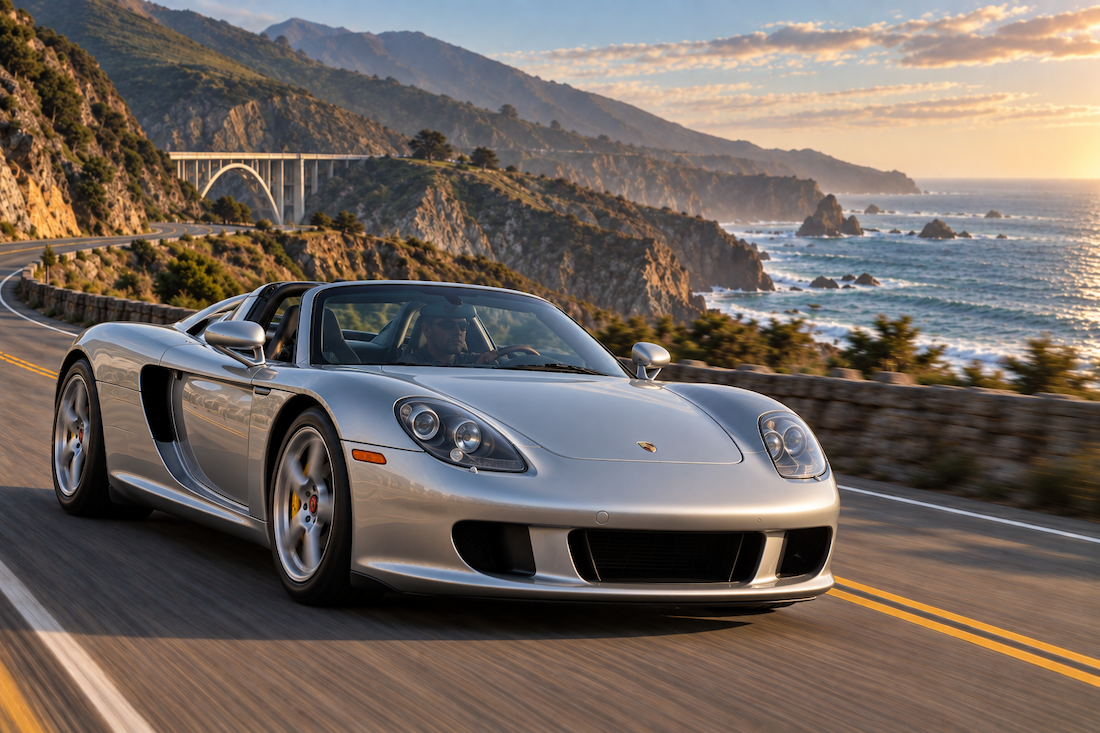
This is a road-going racing car that the owner has to figure out how to drive.
The Carrera GT has become a major collectible with very high prices now, there is little argument about its historical importance.
Lamborghini Murciélago
Lamborghini’s Murciélago styling is outrageous because Lamborghinis are supposed to be outrageous. Behind the driver was a naturally aspirated V12 descended from the same engine architecture that had defined Lamborghini from the 1960s. And a manual transmission was available.
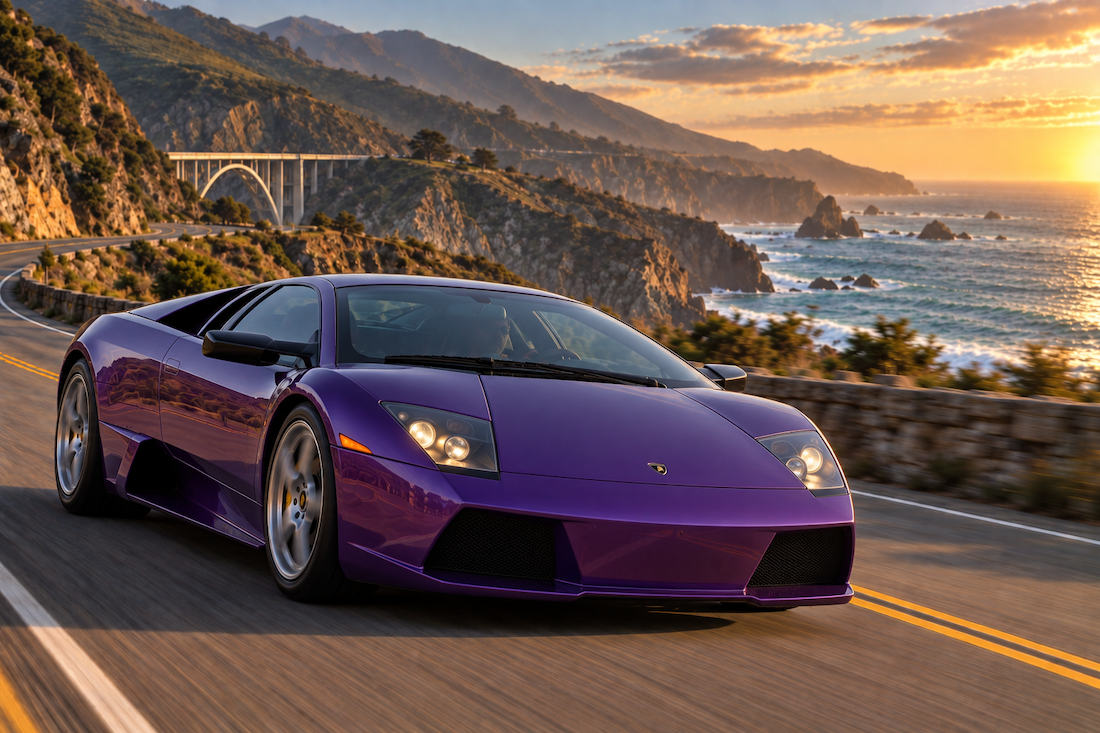
There were no hybrid motors, artificial exhaust sounds or giant central touchscreen attempting to manage your digital life and driving experience. The Murciélago’s purpose was much simpler, it was a Lamborghini and was loved for that.
Between Two Worlds
The cars from the early 2000 era are between two automotive ‘civilizations’.
Before them were the purely analog cars of the twentieth century. After them were today’s very capable computerized, digital, automated cars. Cars became much better built: air conditioning worked and was cold, engines started up reliably in any weather, fuel injection eliminated a lot of the problems associated with older cars.
Importantly to many the driver remained a critical part of the driving experience. The driver could hear the engine, shift through the gears and feel the consequences of driving decisions in real time. And it was fun.
Modern performance cars are quite capable, but their electronic systems can make any driver feel more talented than they really are. The early 2000s offered a different balance; there was modern engineering without totally removing the need for the drivers judgment and skill.
I wonder if we will see a generation of drivers who do not know how to drive analog cars. Will they only know how to pilot fully automated cars? Especially taking into account the impact of the even more automated electric vehicles, some with self-driving capabilities.
There Is a Difference
There is one important distinction between the early 2000 cars and earlier classics; the cars of the 2000s have far more electronics.
That creates an interesting issue for future collectors; what to do when an electronic control module fails and the manufacturer no longer supplies it? What happens when proprietary diagnostic equipment becomes obsolete?
Specialists will likely reverse-engineer these systems because the collector-car industry has always adapted to changing times and needs.
Where there is a demand, someone usually finds a solution.
Are We All Ready to Call Them Classics?
Collector cars quite often become interesting during the awkward period when half the world considers them classics and the other half simply considers them used cars. Eventually the argument will end for each model.
Nobody today debates whether a Lamborghini Miura is a classic but there was a time when it was merely an old Lamborghini. The same was true of the Ferrari Daytona and even the Ferrari 250 GTO.
Every classic car was once merely a used car. The transformation happens gradually and then suddenly it seems obvious as the prices go way up.
The automobiles of the early 2000s were fast, sophisticated and still demanding of the driver. Twenty years ago, they looked like the future. Today they increasingly look like the end of the past.
And twenty years from now, we may look back and wonder why anyone ever questioned whether these cars were classics.
Perhaps the next great era of collector cars has already happened while we were busy driving through it.
Let us know what you think in the Comments.
Research, some text and some images by ChatGPT.


Speak Your Mind