By Mike Gulett –
Cadillac is synonymous with precision, luxury, and American ingenuity. For more than a century, Cadillac has functioned as both a technological proving ground and a cultural mirror reflecting America’s ambitions, excesses, reinventions, and resilience.
Origins: (1902–1915)
Founded in 1902 and named after Antoine de la Mothe Cadillac, the French explorer who founded Detroit, Michigan. The Cadillac crest is based on his coat of arms. Cadillac was born in Detroit from the remnants of The Henry Ford Company, Henry Ford’s second failed venture. Under the leadership of Henry M. Leland, an engineer obsessed with precision manufacturing, Cadillac distinguished itself almost immediately. In an era when automobiles were often hand-fitted curiosities, Cadillac proved that parts could be interchangeable with near watchmaker accuracy.
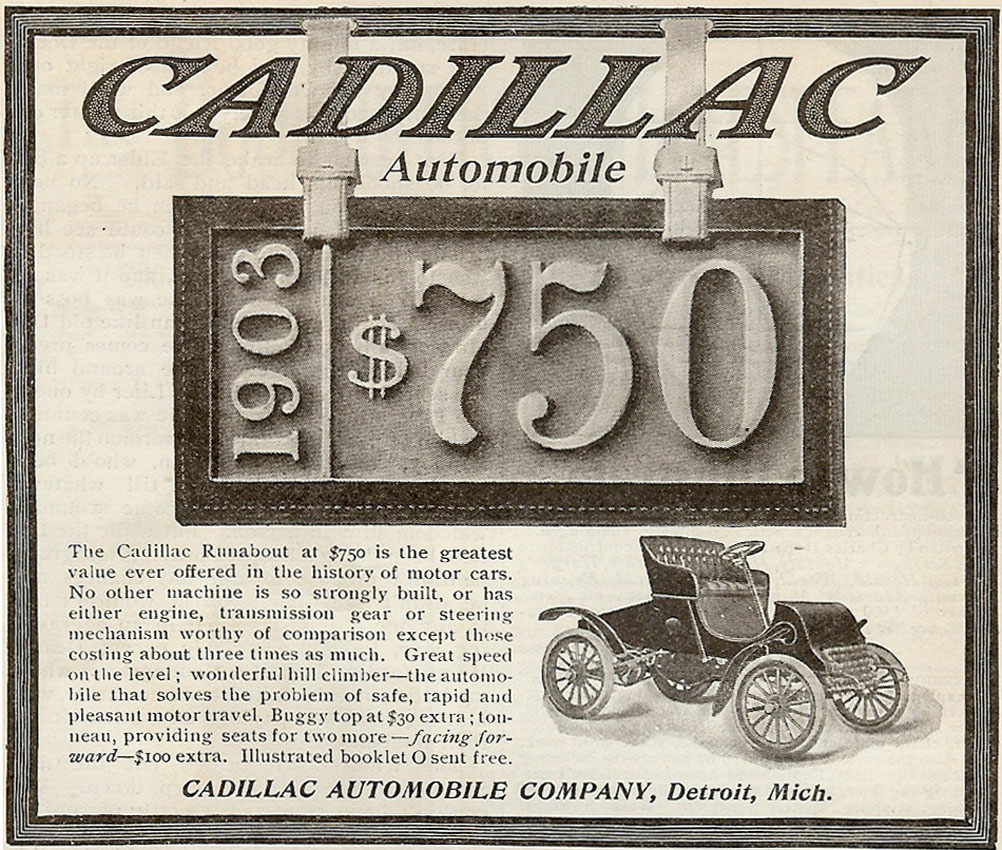
This commitment culminated in 1908, when Cadillac won the prestigious Dewar Trophy from Britain’s Royal Automobile Club for demonstrating complete interchangeability of parts—an industrial milestone. By 1912, Cadillac introduced the electric self-starter, eliminating the dangerous hand crank and changing who could drive a car. This single innovation expanded car ownership and use and cemented Cadillac’s reputation as a technological leader.
Cadillac’s early years established a core truth that luxury was not just about comfort or ornamentation it was about engineering excellence.
“The Standard of the World” (1920s–1930s)
During the 1920s and 1930s, Cadillac embraced its role as America’s premier luxury automaker. The brand officially adopted the slogan “The Standard of the World,” and for once, it was no exaggeration. Cadillac offered V8 engines as standard equipment when competitors struggled to deliver smooth running six-cylinder engines.
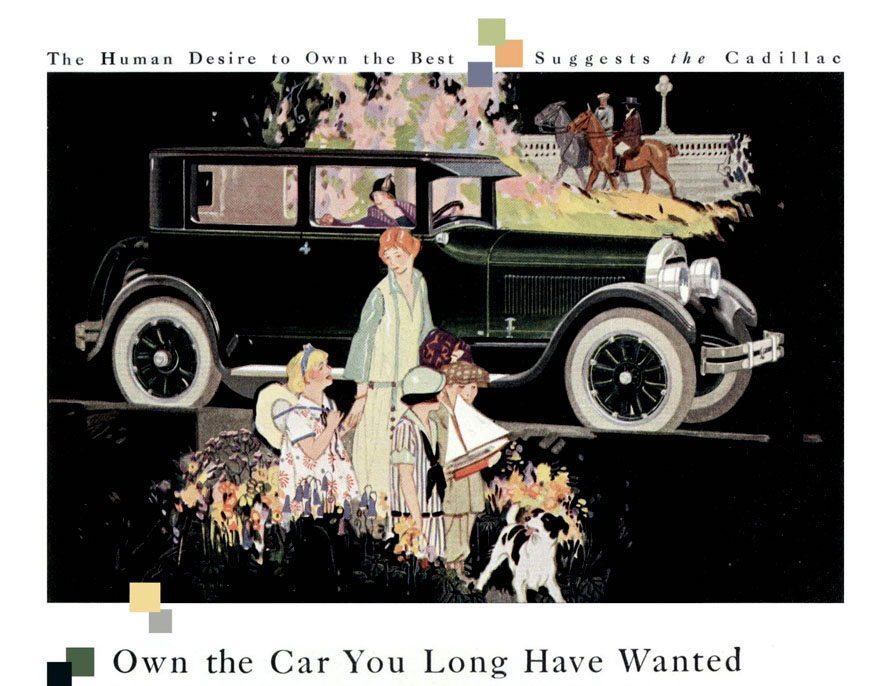
The pinnacle of this era was the introduction of the V16 engine in 1930. With sixteen cylinders arranged in elegant symmetry, Cadillac’s V16 models delivered unmatched smoothness, power, and prestige. These cars were not merely transportation—they were rolling statements of wealth, power, and technological dominance, favored by industrialists, celebrities, and heads of state.
At a time when Europe defined luxury through brands like Rolls-Royce and Hispano-Suiza, Cadillac proved that America could not only compete but lead.
Postwar Prosperity and Design Excess (1945–1960s)
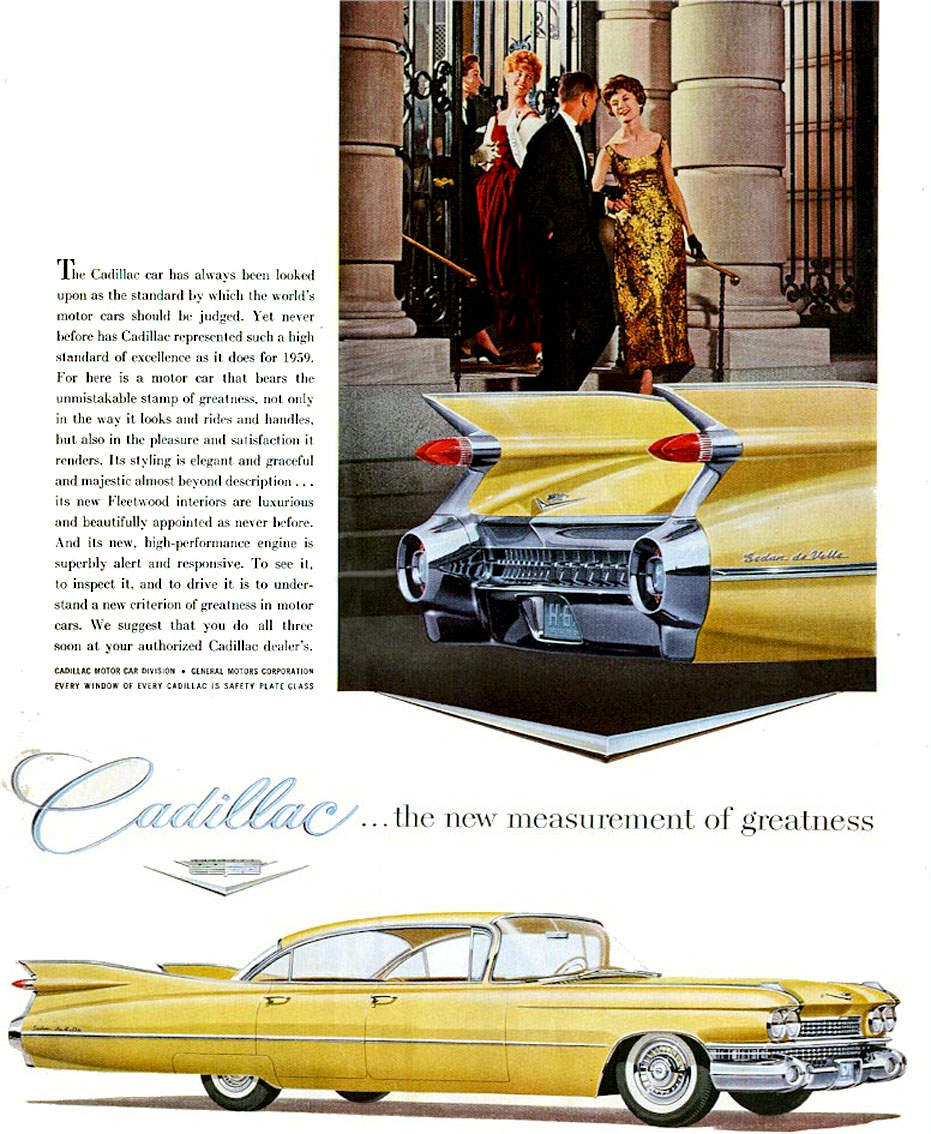
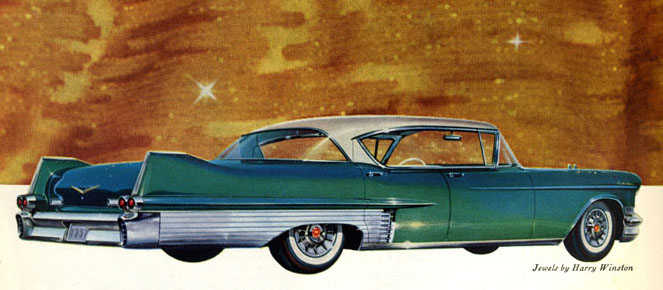
After World War II, Cadillac became the visual shorthand for American success. As the nation boomed, so did Cadillac’s ambition. Aircraft-inspired tailfins—introduced under design chief Harley Earl—grew taller and bolder throughout the 1950s, culminating in the iconic 1959 Eldorado with fins that bordered on sculpture.
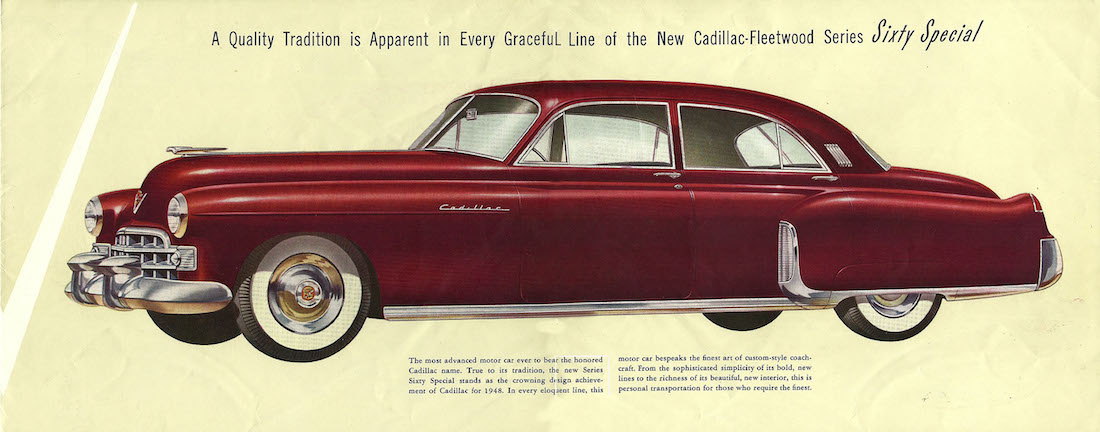
But Cadillac was not all style. Innovations such as power steering, power brakes, automatic transmissions, and climate control systems often appeared on Cadillacs first before trickling down to lesser brands. To own a Cadillac in the 1950s was to declare you had “made it.”
The brand’s cars became fixtures in popular culture, from Elvis Presley’s pink Fleetwood to presidential limousines, reinforcing Cadillac’s role as a cultural icon as much as an automaker.
Challenge, Drift, and Identity Crisis (1970s–1990s)
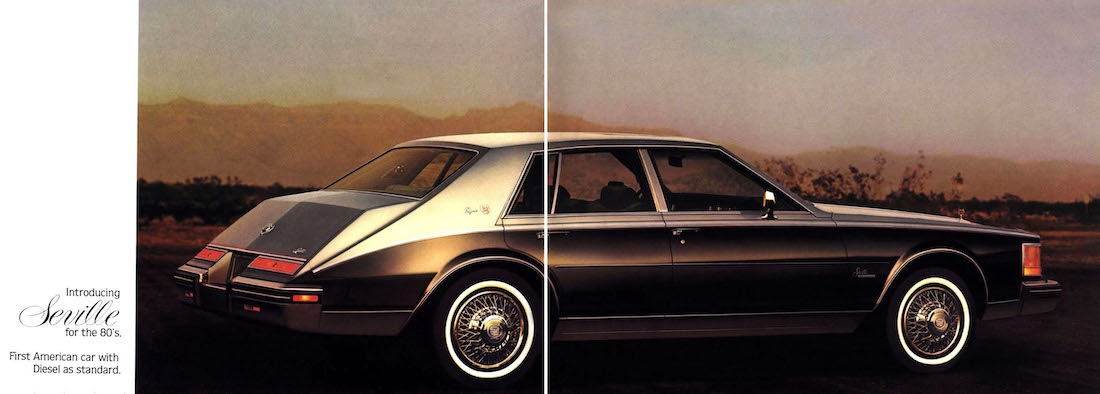
The 1970s brought challenges Cadillac was slow to confront. Fuel crises, emissions regulations, and changing consumer tastes undermined the era of massive V8-powered land yachts. Efforts to downsize and modernize sometimes missed the mark, and quality issues began to erode Cadillac’s reputation.
By the 1980s and 1990s, Cadillac faced a new threat: European and Japanese luxury brands offering sharper handling, modern design, and rising reliability. Models like the Cimarron became symbols of miscalculation, and Cadillac risked becoming a brand defined by nostalgia rather than relevance today.
Yet even in this period, Cadillac retained its cultural gravity. The name still meant something—especially in America—even if the product struggled to keep pace.
Reinvention and Performance Renaissance (2000s–Present)
Cadillac’s modern revival began in earnest in the early 2000s with a renewed emphasis on performance, design, and global relevance. The sharp-edged “Art & Science” design language signaled a break from the past, while cars like the CTS and later CTS-V reestablished Cadillac as a serious competitor to BMW and Mercedes-Benz.
High-performance models, powered by supercharged V8s and tuned on Germany’s Nürburgring, shocked critics and enthusiasts alike. Cadillac was once again engineering cars that could stand proudly on the world stage.
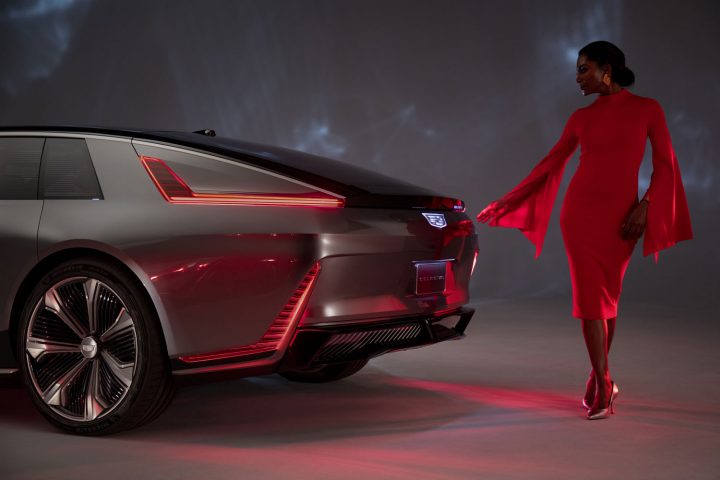
Today, Cadillac sits at another inflection point, positioning itself as General Motors’ electric luxury flagship. Models like the Lyriq and Celestiq suggest a future where Cadillac blends advanced technology with handcrafted luxury—echoing its earliest ideals in a modern form.
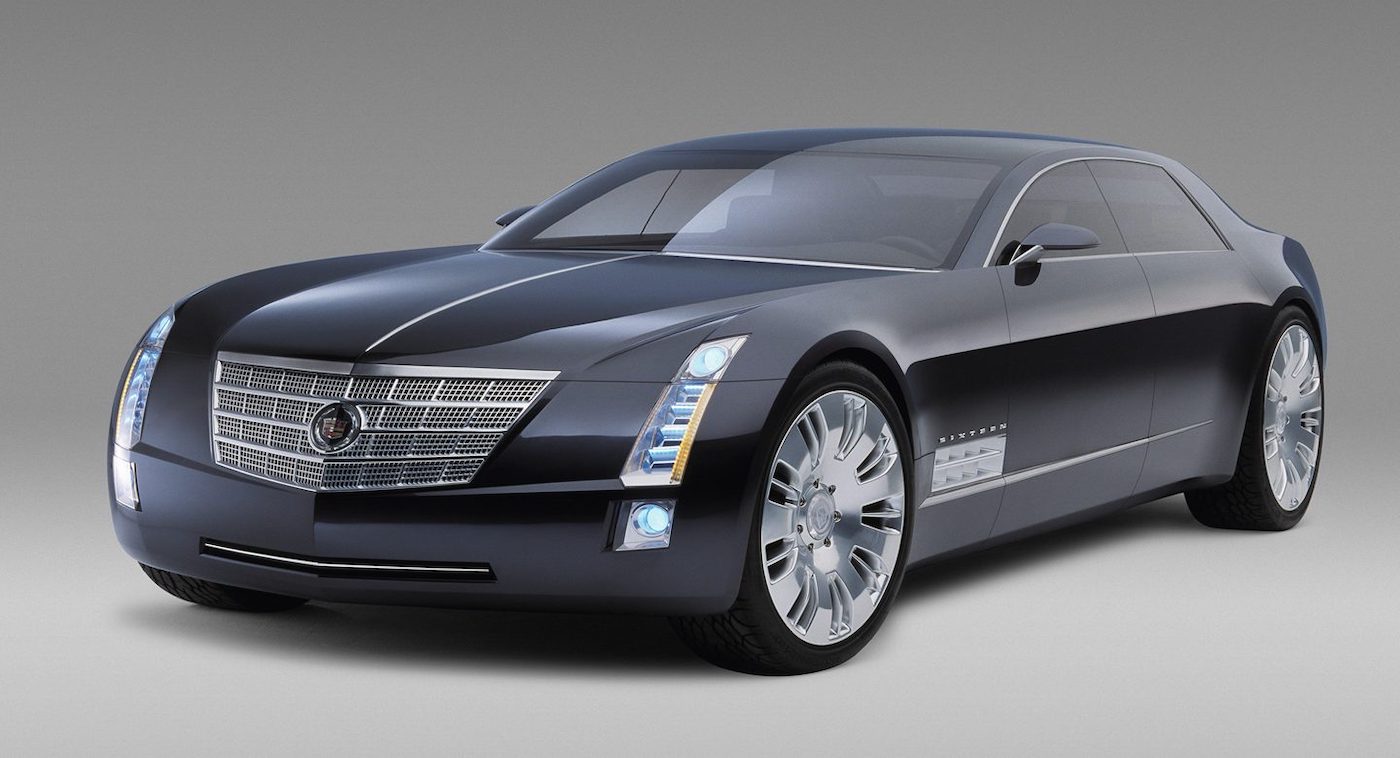
2003 Cadillac Sixteen Concept – photo by General Motors
Why Cadillac Matters
Cadillac’s significance extends beyond its vehicles. It represents the American approach to luxury: bold, innovative, and ambitious. From pioneering mass-production precision to shaping postwar design culture, Cadillac has consistently influenced how cars are built, marketed, and perceived.
For collectors, historians, and enthusiasts—especially those who appreciate the golden age of analog automobiles—Cadillac tells the story of America itself: invention, optimism, overreach, correction, and renewal (hopefully).
In every era, Cadillac has aimed not merely to follow trends but to define them. And while its definition of luxury continues to evolve, the core aspiration remains unchanged—to once again be worthy of the title it claimed more than a century ago: The Standard of the World.
Let us know what you think in the Comments.

Research and some text by ChatGPT 5.1. Images compliments of Cadillac or General Motors.


My Dad’s first new car was a 1950 Cadillac 62 series four door sedan, then a 1958 62 series four door hardtop, then a 1962 62 series convertible, then a 1966 62 series convertible and finally a 1970 62 series four door sedan. My Mom always sat in the back of the convertibles because she didn’t want her hair messed up, even when the top was up.
Let’s see what Cadillac can do for the 2026 F1 season, while using a Ferrari engine.
I suspect, quiet well, since all teams will be starting with a ‘clean sheet’ for all new regulations.
Our friends had a Cad. about a 2019 model and they didn’t like the ride because of the same reason we don’t like our car it rides like a lumber wagon it’s so stiff you fell every bump in the road and luxury isn’t in it like back in the old days . The traded it in for a smoother ride for a Lincoln and it rides like a baby buggy compared to the Cad.