City streets shape how drivers behave long before a signal changes or a turn begins. The width of a lane, the position of parked cars, the spacing between intersections, and the rhythm of traffic all influence the choices people make behind the wheel. These elements form a visual language that guides pace, spacing, and attention. Many drivers recognize the feel of a crowded urban street, yet fewer realize how much of their instinctive behavior comes from design decisions that may be decades old.
How Street Layout Shapes Driver Perception
Drivers pick up cues from the road without consciously noticing them. A narrow lane encourages a lighter touch on the accelerator, while a wide lane often creates the impression of extra room even when the speed limit stays the same. Rows of parked cars draw attention to door openings, mirrors, and shifting gaps, which can alter how closely drivers maintain their position. Sightlines at intersections shape how early they prepare for a turn or look for cross traffic.
These details form a sense of available space. That feeling affects decisions about speed, following distance, and where to focus attention. Streets that limit visibility or shift abruptly often prompt quick adjustments. Layouts that remain consistent from block to block encourage steadier responses and a more predictable rhythm.
Why Drivers Behave Differently From City to City
Street design varies across regions, and these differences shape driver expectations. Some cities rely on repeated patterns in lane markings and intersection spacing, which create familiar timing for turns and merges. Others shift alignment or curb space from block to block, and these changes influence how early a driver prepares for a maneuver or reacts to an unusual roadway angle.
Research on roadway layout shows that drivers respond to what they see long before they comply with posted instructions. The Federal Highway Administration’s safe system roadway design hierarchy explains how lane structure, roadside spacing, and overall visual complexity affect a driver’s understanding of the road ahead. Drivers who rely on instincts formed in one type of street environment may find those instincts less reliable in a different setting. That shift can cause hesitation or lead to decisions that do not align with the flow of nearby traffic.
How Infrastructure Creates Predictable Conflict Points
Certain roadway features tend to produce similar reactions wherever they appear. Intersections with limited visibility encourage earlier braking and more deliberate head turns. Blocks lined with parked cars heighten attention to doors, mirrors, and anything that might enter the lane. Protected bike lanes can improve clarity but also create new points at which drivers reassess their position when the protection ends. These patterns repeat because the cues behind them are consistent across many cities.
Street design also shapes recurring driving mistakes. A wide turning pocket may give the impression of more room than actually exists, and that space can disappear sooner than expected. A merge area that shifts alignment quickly often leads to hesitation. Even modest changes in lane markings or curb placement influence timing and judgment. These reactions arise from the physical design of the road rather than from written rules.
How Different U.S. Cities Shape Driver Reactions
Drivers who spend time in multiple major cities often notice changes in their own instincts. In Chicago, narrow intersections and active curbside zones influence how drivers perceive the surrounding road environment. The scenarios described in the Chicago Bike Injury Law resources reflect the types of conflicts that often arise in a grid this tight and active.
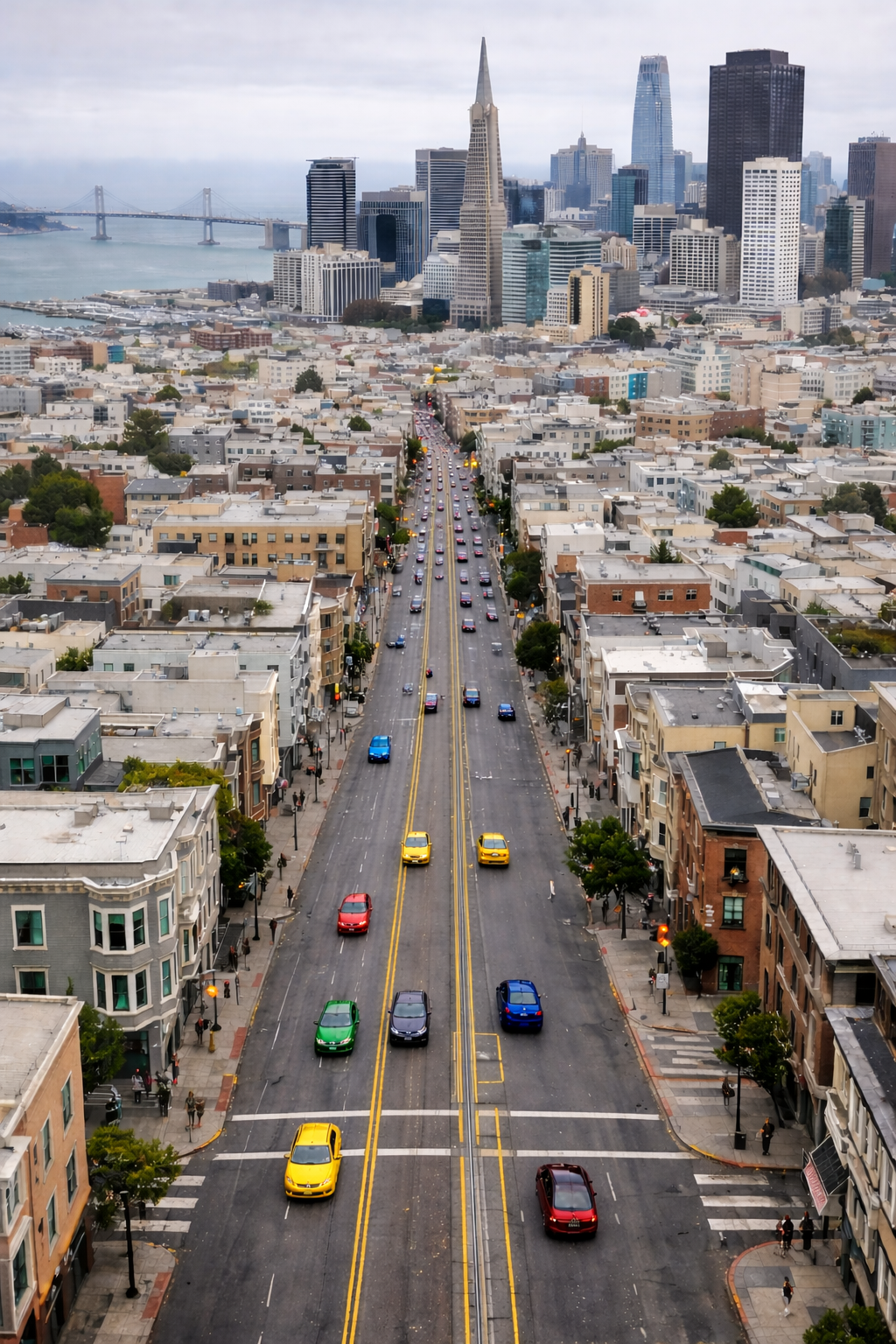
Cities on the West Coast create a different feel. In Los Angeles and San Francisco, broad corridors sit next to blocks with more detailed lane treatments. A driver might move from a wide arterial to a street with floating parking or painted buffers within a short distance. Each layout provides cues that shape lane choice, timing, and overall comfort. These quick changes differ from the steadier, more uniform blocks that define much of Chicago’s core.
On the East Coast, New York City uses close block spacing, frequent signals, and strict turn restrictions. Many drivers describe the experience as one guided by timing rather than open space. Short sightlines and busy crossings influence how early they set their pace and how tightly they hold their line through narrower gaps.
Texas cities such as Houston and Dallas present a broader mix of conditions. Large, fast corridors run beside older roads with limited capacity for adjustment. This variety requires close attention, since instincts formed in one part of the city may not apply within a short distance.
Cities like Denver combine wider Western arterials with redesigned intersections and protected lanes. Drivers often encounter features that are less common in other regions, including trail connections that intersect roadways or roundabouts in higher-volume areas. These changes influence timing and spacing in ways that differ from both coastal and Midwestern environments.
Across these varied settings, street design guides how drivers understand space, timing, and risk. Even small changes in layout shape decisions behind the wheel long before they are consciously evaluated.
How Drivers Adjust to Unfamiliar Street Layouts
Drivers often rely on familiar visual cues when deciding how quickly to turn, how much room they have beside them, or when to ease off the accelerator. When those cues shift, even modest differences can create hesitation. A broad lane may encourage earlier acceleration. A compact grid may prompt closer attention to spacing. These adjustments develop gradually as drivers become familiar with the patterns around them.
Unfamiliar layouts challenge instincts shaped elsewhere. A driver accustomed to wide intersections may misjudge timing in a city where crossings sit closer together. Someone who relies on consistent lane markings may respond differently when lanes taper or shift more abruptly. Articles that explore how drivers reduce risk in changing environments, such as this piece on ways to prevent car accidents, help show how roadway design influences judgment from one city to the next.
Drivers who study new cues often adjust more quickly. Observing how lanes merge, how curbs shift, and how turning pockets are arranged can reduce the uncertainty associated with unfamiliar surroundings. These small adjustments shape steadier, more confident decisions across different street environments.
Conclusion
City streets play a meaningful role in how drivers interpret and respond to their surroundings. The width of a lane, the position of a curb, and the pattern of intersections each influence how drivers judge space and timing. These details create expectations that vary from city to city and shape reactions long before a conscious choice is made. Drivers who pay attention to the cues built into unfamiliar layouts often find the road easier to read. A moment spent studying how a street is arranged can help form steadier instincts, whether the surroundings are tight and active or wide and open. Understanding these subtle signals gives drivers a clearer sense of control and a stronger feel for the road ahead.



Speak Your Mind