by Mike Gulett –
In the year 2000 my wife and I ordered a new Aston Martin DB7. At the time we lived in the San Fransisco Bay Area and there was only one Aston Martin dealer, as far as I could tell, in all of Northern California. So, we had to drive a long way to visit that dealer. Later in 2000 I was able to visit the DB7 factory in Bloxham, England. That was a terrific visit as Aston Martin treats their visiting customers very well. On that day they seemed to be hiding something as the guide told us that they were working on a new project that no one was supposed to see. Years later I decided the hidden secret on that visit must have been the Vanquish, which was announced in 2001.
I saw the Vanquish for the first time at the San Fransisco International Auto Show sometime later and loved it. We bought a 2005 Vanquish S a few years ago and it is terrific.
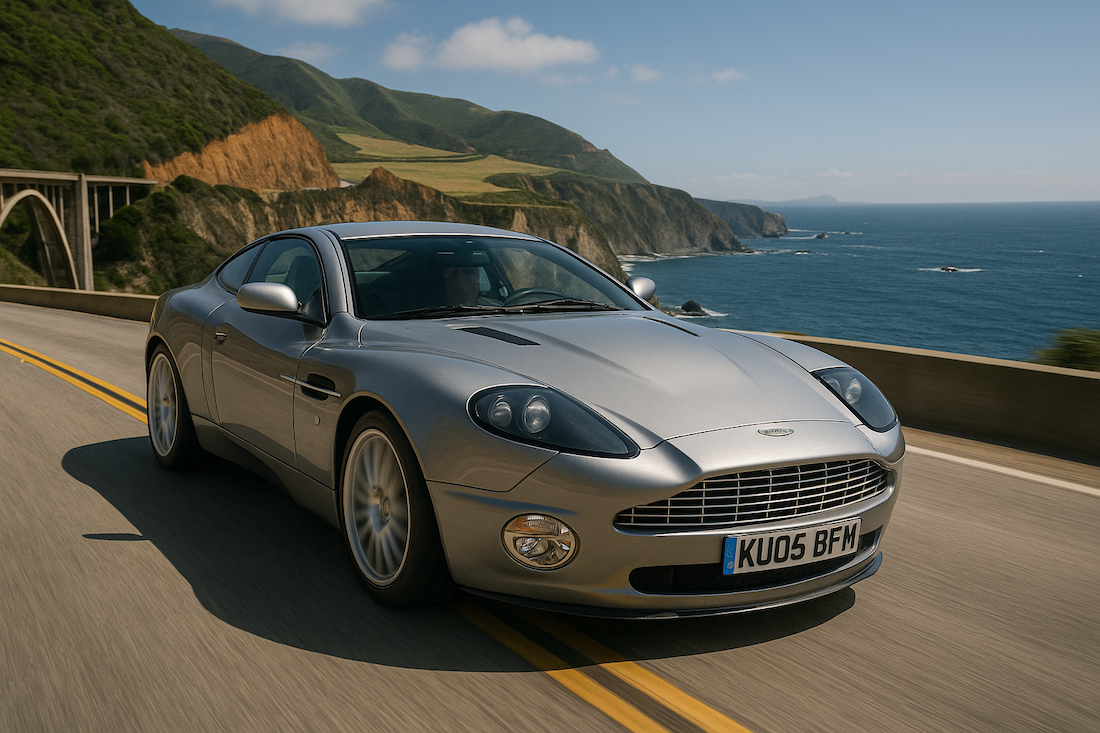
In 2001, Aston Martin unveiled the Vanquish and today it stands as an important point in the company’s history — a car that bridged eras, rescued their identity, and reasserted what an Aston Martin could be and what we expect it to be.
Born Between Eras
At the beginning of the 21st century, Aston Martin was in transition. Under the ownership of Ford Motor Company, the brand had begun to stabilize financially, but its product identity remained fragmented—part heritage grand tourer, part uncertain modern luxury brand.
Then came the Vanquish.
Styled under the direction of Ian Callum, it carried the Aston Martin DNA—long hood, muscular haunches, restrained elegance—but executed with a new confidence. Where earlier Astons often leaned on nostalgia, the Vanquish looked to the future.
Technology
Beneath its beautiful aluminum bodywork, the Vanquish represented a leap in engineering.
- Bonded aluminum and carbon-fiber structure—a precursor to the lightweight construction methods Aston Martin would later adopt across its range.
- A hand-built 5.9-liter V12, delivering both refinement and authority.
- A semi-automatic manual transmission—controversial in feel, but ambitious in intent.
This wasn’t just evolution. It was Aston Martin experimenting with the future in real time.
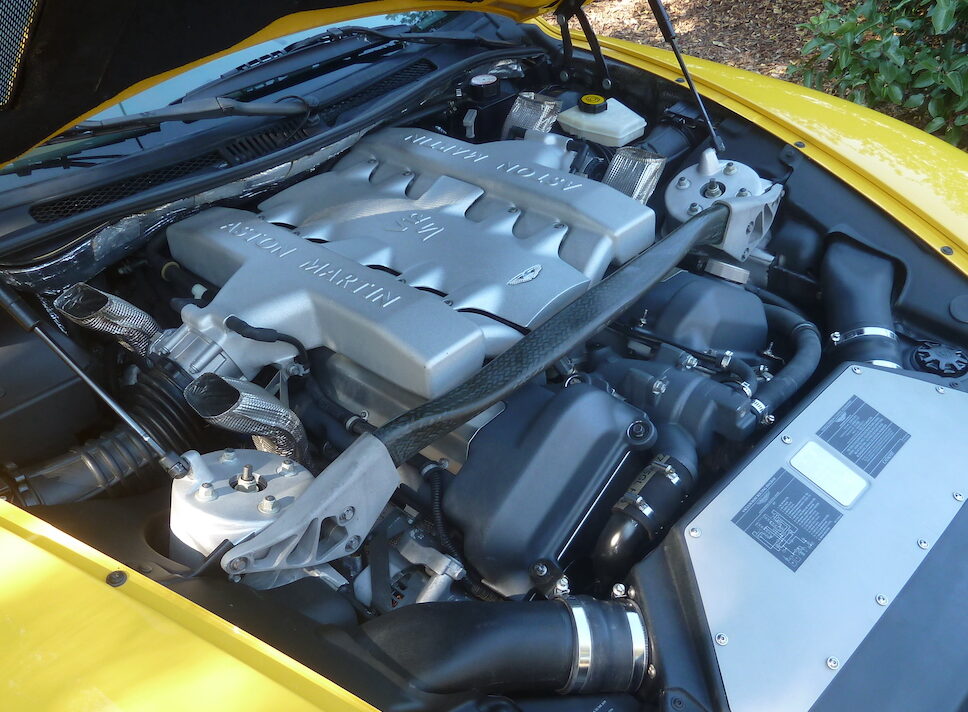
520 hp V12 Vanquish S
James Bond
In Die Another Day, driven by Pierce Brosnan, the Vanquish became the modern face of James Bond; what resonated was the car’s presence—stealthy, elegant, and deadly.
For a new generation, this was the Aston Martin. Not the DB5. Not the V8 Vantage. The Vanquish.
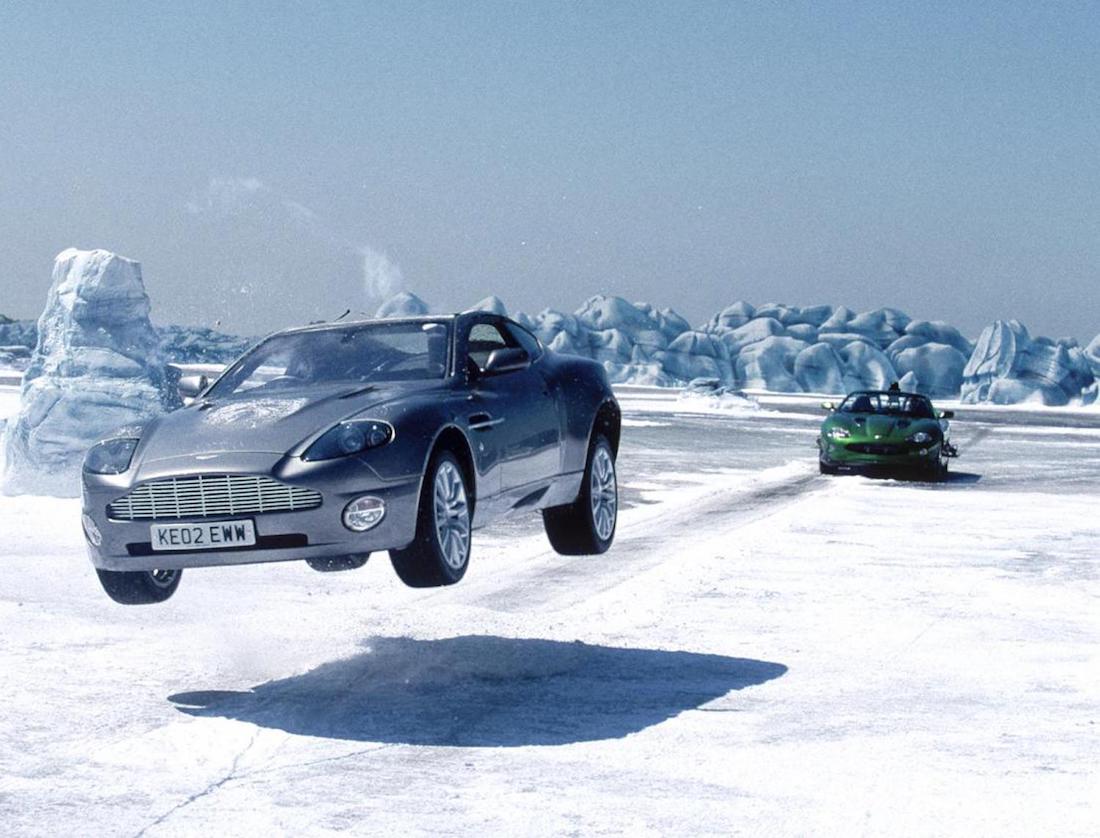
Die Another Day
Why the Vanquish Was So Important
1. It Re-established Aston Martin’s Identity
The Vanquish proved that Aston Martin could build a car that was both heritage-driven and forward-looking. It wasn’t retro—it was timeless in a modern way.
2. It Paved the Way for the Gaydon Era
The success and lessons of the Vanquish directly informed the cars that followed—the DB9, the V8 Vantage, and an entire generation of Aston Martins built at Gaydon.
3. It Elevated Craftsmanship to a New Level
Hand-built at Newport Pagnell, each Vanquish represented the end of one era of traditional craftsmanship and the beginning of another—where artisanal build met advanced materials.
4. It Became a Halo Car
The Vanquish wasn’t just a flagship—it was a statement. It drew attention, shaped perception, and gave Aston Martin credibility in a rapidly modernizing luxury performance market.
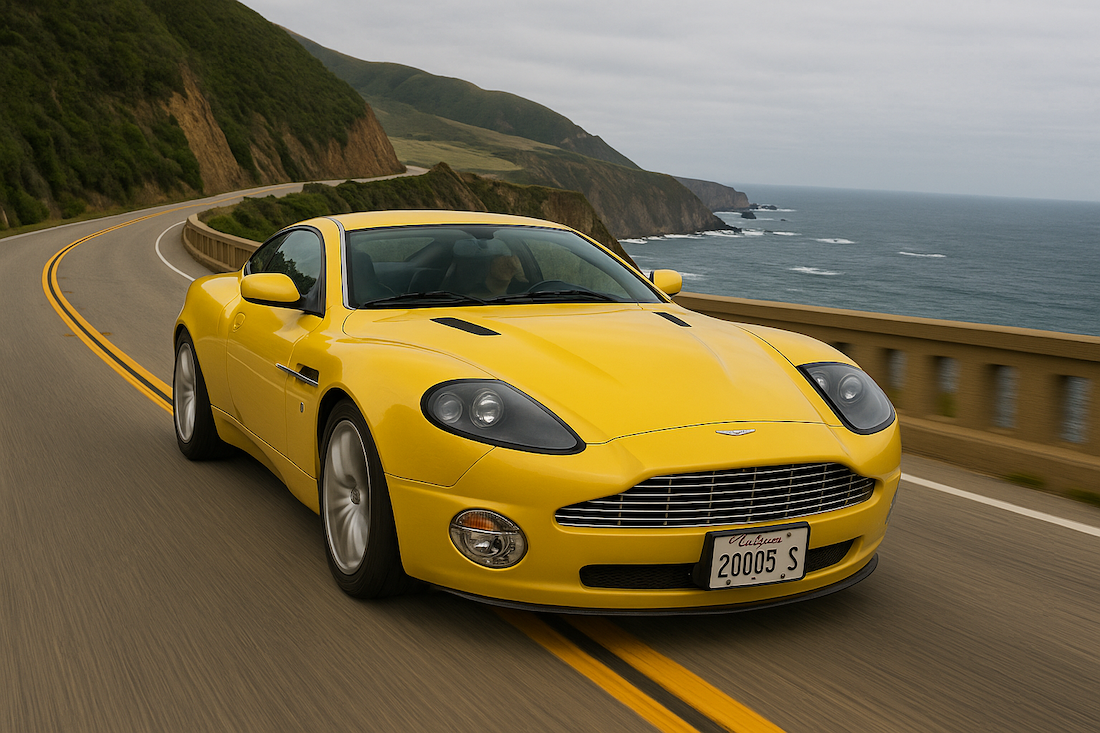
An Enduring Design
Even today, the Vanquish feels remarkably current. Its proportions are pure Aston Martin, but its surfacing and stance hint at everything the brand would become.
Look closely and you’ll see the seeds of future icons—DB9, DBS, even modern Vanquish revivals. It didn’t just fit into Aston Martin’s lineage; it established the design language going forward.
25 Years Later
Today the Vanquish occupies a unique space. It is:
- The last Aston Martin built at Newport Pagnell
- The first truly modern Aston Martin of the 21st century
- A cultural icon thanks to Bond
- A technical bridge to the Aston Martin future
Closing Thought
Anniversaries often invite nostalgia, but the 25th anniversary of the Vanquish demands something more thoughtful. This was not merely a beautiful grand tourer—it was a strategic, cultural, and technological reset for Aston Martin.
Without the Vanquish, the Aston Martin we know today might not exist as it does.
And that’s what makes the Vanquish more than a car. It’s a turning point cast in aluminum and carbon fiber—still breathtaking, still relevant, and still quietly defining what it means to be an Aston Martin.
Let us know what you think in the Comments.
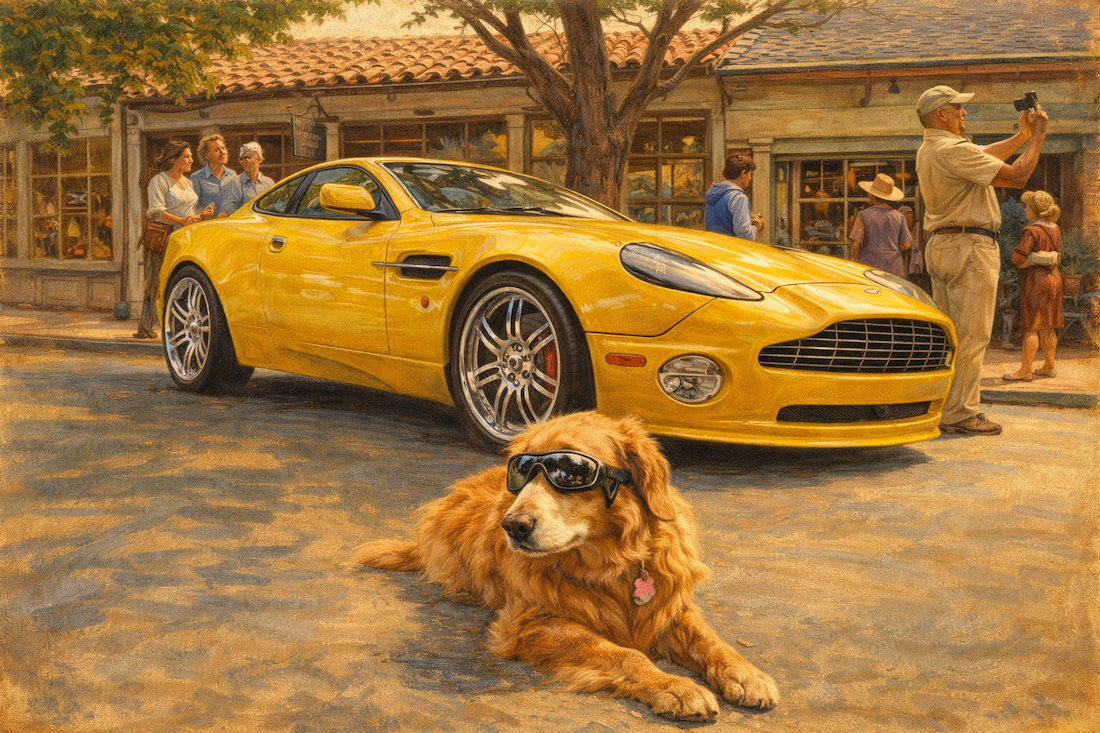
Image based on a photo by Desiree Gillingham

Research, some text and some images by ChatGPT 5.2.
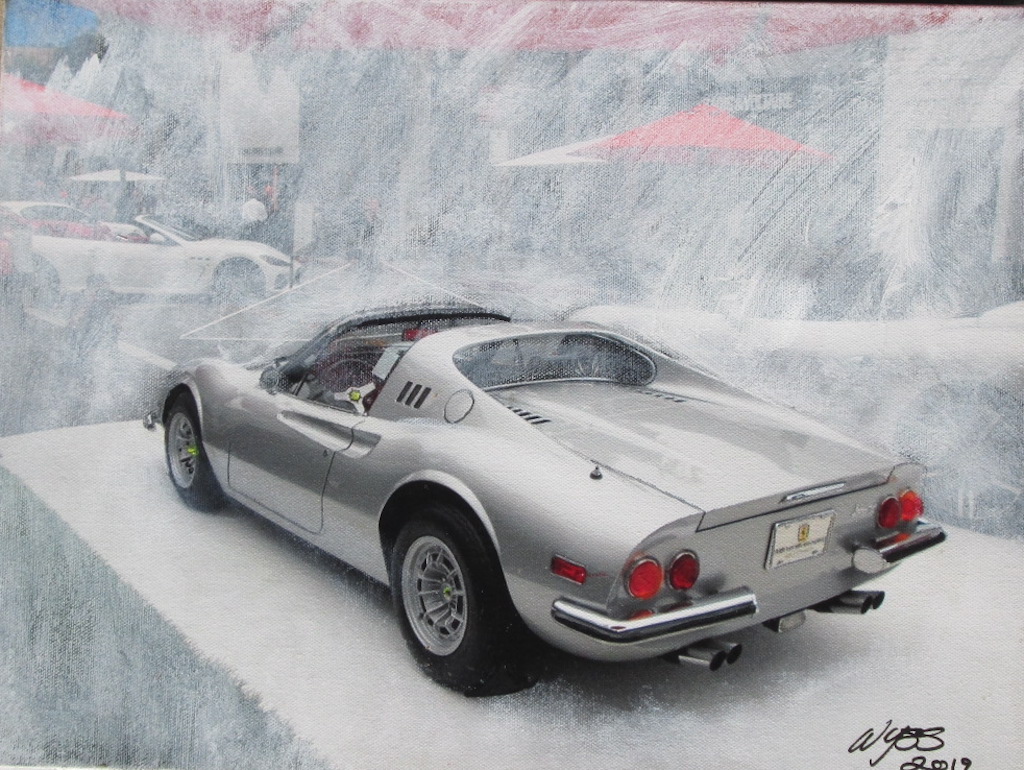


All that and it is a GREAT looking car.
A handsome car that will stand the test of time!