The Emotional Case for Driving
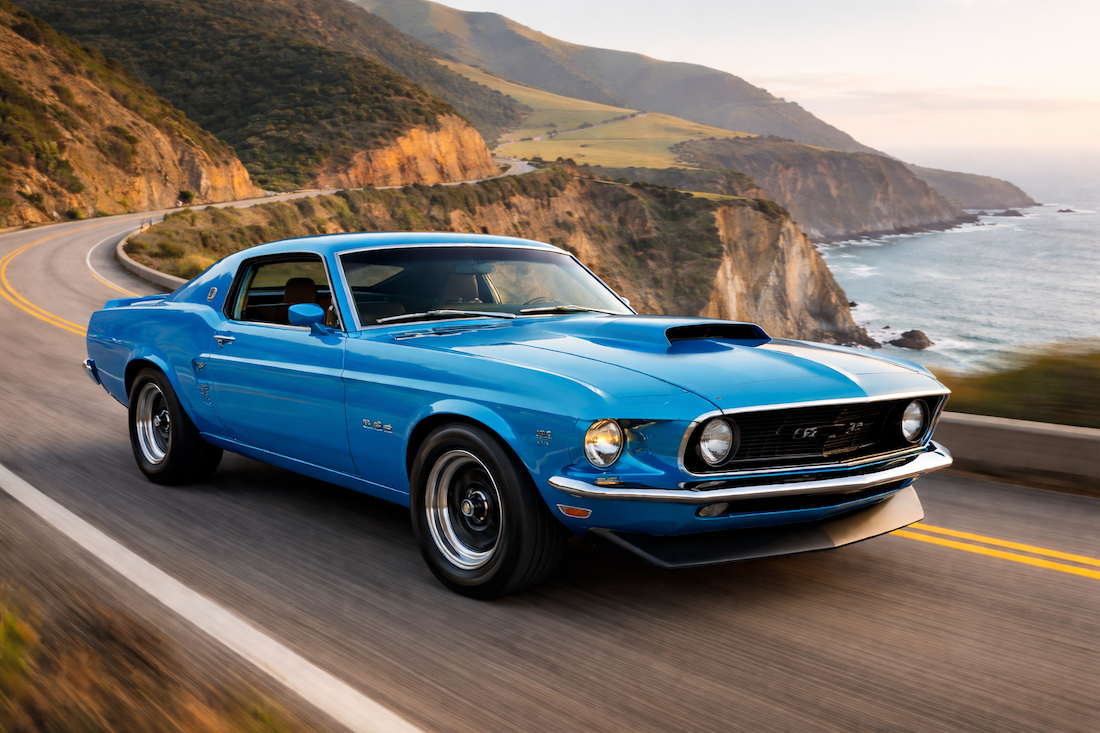
Cars are, at their core, kinetic objects. They are designed to move, to respond, to engage the senses. For many enthusiasts, the idea of leaving a vehicle unused borders on contradiction.
Driving a classic or collectible car offers something that static display cannot replicate — the mechanical feedback, the sound, the imperfections. These are qualities often lost in modern vehicles, making older or rarer models feel more alive, more human.
There is also a philosophical argument at play. Some collectors believe that cars only fulfil their purpose when driven. A vehicle kept permanently in storage risks becoming disconnected from the very experience that made it desirable in the first place.
In this view, mileage is not damage — it is history.
Preservation as a Form of Respect
On the other side of the debate lies preservation. For certain vehicles, particularly those with historical significance or extreme rarity, maintaining condition can feel like a responsibility rather than a choice.
Low mileage, original components, and factory finishes are often seen as benchmarks of authenticity. Once altered or worn, these qualities cannot be fully restored. As a result, some collectors adopt a custodial mindset, treating their cars less as personal possessions and more as cultural artefacts.
Auction trends reinforce this perspective. Vehicles described as “time capsule” examples — untouched, meticulously preserved — frequently command significant premiums. The market, at least in part, rewards restraint.
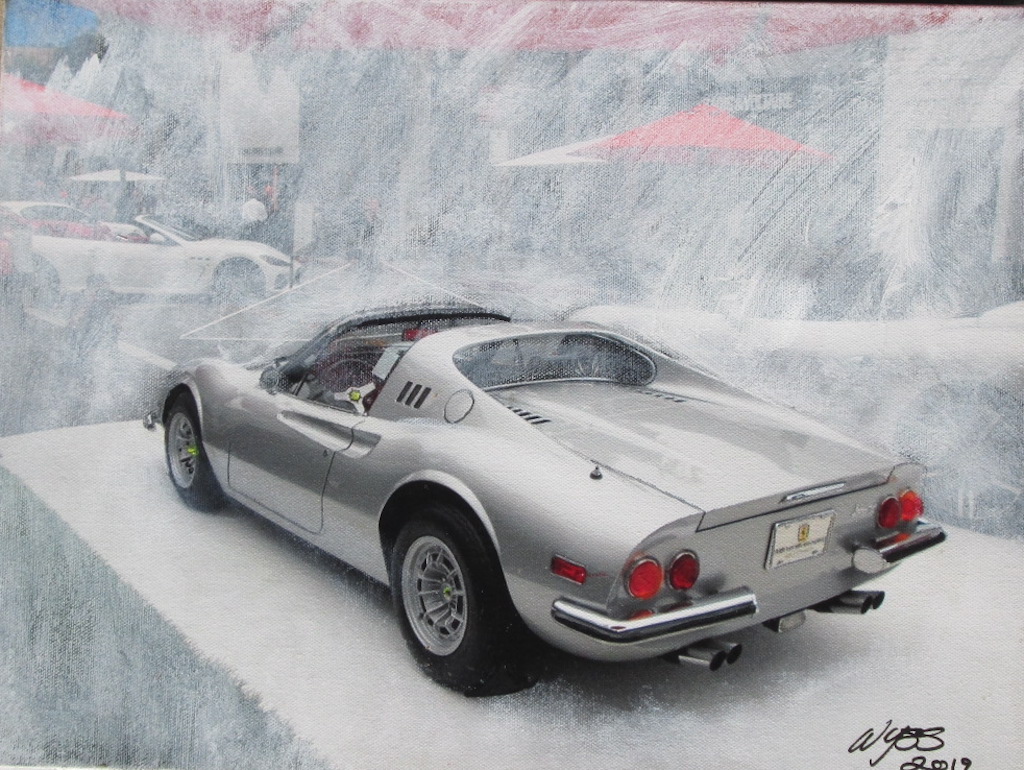
Yet this approach comes with its own trade-offs. A car that is never driven risks becoming an object of observation rather than participation.
The Influence of Market Forces
Financial considerations inevitably shape the decision. Classic cars have increasingly been viewed as alternative investments, with certain models appreciating substantially over time.
In this context, usage can feel like depreciation. Every additional mile, every minor imperfection, has the potential to affect resale value. For collectors focused on long-term returns, limiting use becomes a rational strategy.
However, the market is not entirely one-dimensional. There is a growing appreciation for “well-used” cars with documented histories — vehicles that have been driven, maintained, and enjoyed. Provenance, it seems, can matter as much as preservation.
This has led to a subtle shift. Rather than avoiding use altogether, some collectors are becoming more selective about how and when they drive, balancing enjoyment with long-term value.
Modern Collectors and Changing Attitudes
A generational shift is also influencing the debate. Younger collectors, shaped by different cultural and technological contexts, often place greater emphasis on experience over condition.
Social media has played a role here. Platforms centred on visual storytelling have normalised the idea of using and showcasing cars in real-world settings — on roads, at events, and in everyday life. A car hidden away in storage, however pristine, has limited presence in this digital landscape.
This shift does not necessarily diminish respect for preservation. Instead, it reframes ownership as something to be shared and experienced, rather than simply safeguarded.
At the same time, personalisation continues to intersect with collectability. Even subtle details — from interior trims to registration choices — contribute to how a car is perceived and remembered. Companies such as Number1Plates operate within this space, reflecting an ongoing desire among motorists to leave a distinct imprint on their vehicles, even those considered collectible.
The Practical Realities of Use
Beyond philosophy and finance, there are practical considerations. Driving a classic or rare car is not always straightforward.
Older vehicles may lack the reliability, safety features, or parts availability of modern counterparts. Exposure to weather, road conditions, and traffic increases the risk of wear or damage. Even routine maintenance can become complex when dealing with ageing components or discontinued materials.
Insurance policies may also impose restrictions, limiting annual mileage or specifying usage conditions. For some collectors, these constraints make regular driving less feasible.
As a result, many adopt a middle ground — occasional use, carefully managed, often reserved for favourable conditions or specific events.
The Role of Identity in Ownership
Ultimately, the decision often reflects the identity of the owner as much as the nature of the car.
Some see themselves as drivers first, collectors second. For them, the emotional return of driving outweighs concerns about condition or value. Others take pride in preservation, finding satisfaction in maintaining a vehicle as close to its original state as possible.
Neither approach is inherently superior. Each represents a different interpretation of what it means to appreciate a car.
Interestingly, even the smallest details can signal these priorities. A meticulously maintained exterior, period-correct features, or carefully chosen finishing touches all contribute to how a vehicle is presented — whether as a living machine or a preserved object.
Conclusion: A Question Without a Fixed Answer
The collector’s dilemma — to drive or to preserve — has no universal solution. It is shaped by a combination of emotional, financial, and practical factors, each weighted differently by individual owners.
What remains constant is the underlying tension between use and preservation, between experience and conservation. Cars occupy a unique space where these forces intersect, making the decision both deeply personal and endlessly debated.
Perhaps the most balanced perspective is to recognise that value is not defined solely by condition or mileage, but by meaning. For some, that meaning is found in pristine originality. For others, it lies in the act of driving itself.
Either way, the choice defines not just the fate of the car, but the nature of the ownership experience.


Speak Your Mind