Cross-country car movement is more prevalent than ever in 2026. Americans are relocating for employment, purchasing cars online, moving seasonally, going out of state for college, and growing their dealerships in local areas. The U.S. Department of Transportation claims that as consumer mobility and logistics networks develop across the country, interstate transportation activity keeps increasing.
At the same time, drivers are being forced to reconsider a crucial question due to growing fuel prices, more stringent travel schedules, and more wear-and-tear expenses:
Is it better to ship your car or drive it across the country? The answer depends on various variables, including distance, cost, availability time, vehicle condition, and general convenience. Although driving can seem less expensive at first, the actual cost of a long-distance road journey in 2026 frequently goes well beyond gasoline costs. In the meantime, auto transport services have advanced dramatically, providing both businesses and individuals with more adaptable and effective shipping options.
To help car owners make wise transportation choices in the current market, this article breaks down the actual prices, benefits, and drawbacks of both options.
The Growing Demand for Cross-Country Vehicle Transport
Over the past few years, the car transport sector in the United States has grown steadily. The need for automobile transportation services is still rising due to seasonal travel patterns, military migrations, interstate relocations, and online car purchases.
The Federal Motor Carrier Safety Administration (FMCSA) states that commercial vehicle transportation is still a vital component of the US logistics and interstate commerce infrastructure.
In 2026, supply chain pressures and fuel volatility will also have an impact on transportation costs. According to the American Automobile Association (AAA) Fuel Prices Report, seasonal demand, refinery maintenance, and worries about the world’s oil supply have all contributed to significant fluctuations in gas prices.
Both personal driving costs and commercial transport rates are impacted by these growing operating expenses. Because of this, more customers than ever before are carefully weighing the long-term financial effects of driving versus shipping.
What Does It Cost to Drive Across the Country in 2026?
At first glance, driving your own car across the country would appear like the more economical choice. But a lot of tourists underestimate how much a long-distance journey will cost in total.
Depending on the route, a coast-to-coast trip in the US might be anywhere from 2,500 to 3,000 miles. Expenses quickly mount up when fuel, housing, food, tolls, maintenance, and depreciation are taken into account.
Fuel Costs
For the majority of long-distance drivers, fuel continues to be the biggest expense.
According to the AAA Gas Prices Tracker, average gas prices in 2026 have continued to vary greatly throughout U.S. regions, with fuel prices in western states frequently being far higher than the national average.
For example:
- Distance: 2,800 miles
- Vehicle MPG: 28
- Average gas price: $4.00/gallon
- Estimated fuel cost: approximately $400
Drivers with larger SUVs, pickup trucks, or towing setups may spend considerably more.
Lodging and Meals
The majority of cross-country journeys necessitate many overnight stops. In 2026, hotel prices in important travel corridors are still rising, particularly during the busiest travel and relocation seasons.
Travel-related costs, such as hotel and food, have risen consistently in tandem with inflation and tourism demand, according to data from the U.S. Bureau of Labor Statistics Consumer Expenditure Surveys.
Typical expenses include:
- Hotels: $120–$250 per night
- Meals: $40–$100 per day
- Parking and tolls: Variable by route
For a four- to five-day trip, travelers may spend an additional $600–$1,200 beyond fuel alone.
Wear and Tear on the Vehicle
Vehicle depreciation and maintenance are often overlooked.
Adding thousands of miles to a vehicle impacts:
- Tire lifespan
- Brake wear
- Oil life
- Suspension components
- Resale value
Because they take into consideration fuel, depreciation, maintenance, insurance, and tire wear, the Internal Revenue Service (IRS) Standard Mileage Rates are frequently used to estimate total operating costs per mile.
When long-term operational costs are taken into account, a 2,800-mile journey might effectively cost more than $1,800 using that benchmark.
The Hidden Risks of Long-Distance Driving
Beyond financial considerations, cross-country driving comes with logistical and safety challenges.
Driver Fatigue
Driving over extended periods of time raises the possibility of fatigue-related collisions. Interstate driving for several days can be mentally and physically taxing, particularly for lone travelers.
Thousands of crashes occur in the US each year as a result of sleepy driving, according to the National Highway Traffic Safety Administration (NHTSA).
Driving at night, on unknown routes, and in inclement weather all increase the risks.
Unexpected Breakdowns
When traveling long distances, mechanical problems can cause significant delays and costs. Emergency repairs may be necessary, distant from home due to tire failures, overheating, battery problems, or transmission troubles.
Cars with high mileage and older models are especially at risk when driving long distances on the highway.
Battery failures, flat tires, and engine-related problems continue to rank among the most frequent reasons for roadside service calls across the country, according to AAA Roadside Assistance Insights.
Time Commitment
Driving across the country requires significant time away from work, family, or business responsibilities.
A typical coast-to-coast route may take:
- 4–6 days for most drivers
- Longer during winter weather or heavy traffic periods
For many consumers, the value of saved time outweighs the potential cost savings of driving.
What Does It Cost to Ship a Car Across the Country in 2026?
Auto transport pricing depends on several factors:
- Distance
- Vehicle size and weight
- Route popularity
- Seasonal demand
- Open vs. enclosed transport
- Fuel costs
- Carrier availability
Diesel prices continue to be one of the highest operational costs for trucking and vehicle transport companies in 2026, according to the U.S. Energy Information Administration (EIA) Diesel Fuel Reports.
Standard automobiles usually cost between $1,000 and $1,800 to move across the country on open carriers. The cost of enclosed transport packages, larger cars, and premium vehicles may be more.
However, if visitors take into consideration lodging, food, missed workdays, and vehicle depreciation due to driving, shipping frequently becomes financially competitive. Companies like Flamingo Auto Transport provide nationwide vehicle shipping services that allow customers to compare transport costs against the true expense of a cross-country road trip.
Advantages of Shipping Your Car
Reduced Vehicle Wear
Shipping prevents unnecessary mileage accumulation and protects the vehicle from:
- Road debris
- Tire wear
- Weather exposure
- Mechanical strain
This is particularly crucial for high-value inventory, leased autos, collector cars, and newer cars.
Reducing needless miles is crucial to maintaining a vehicle’s long-term worth, according to Consumer Reports Vehicle Ownership Studies.
Time Savings
Instead of spending days traveling, vehicle shipment enables owners to fly straight to their destination.
This efficiency lowers labor-related downtime and helps businesses and dealerships maintain operational continuity.
Safer Transportation for Specialty Vehicles
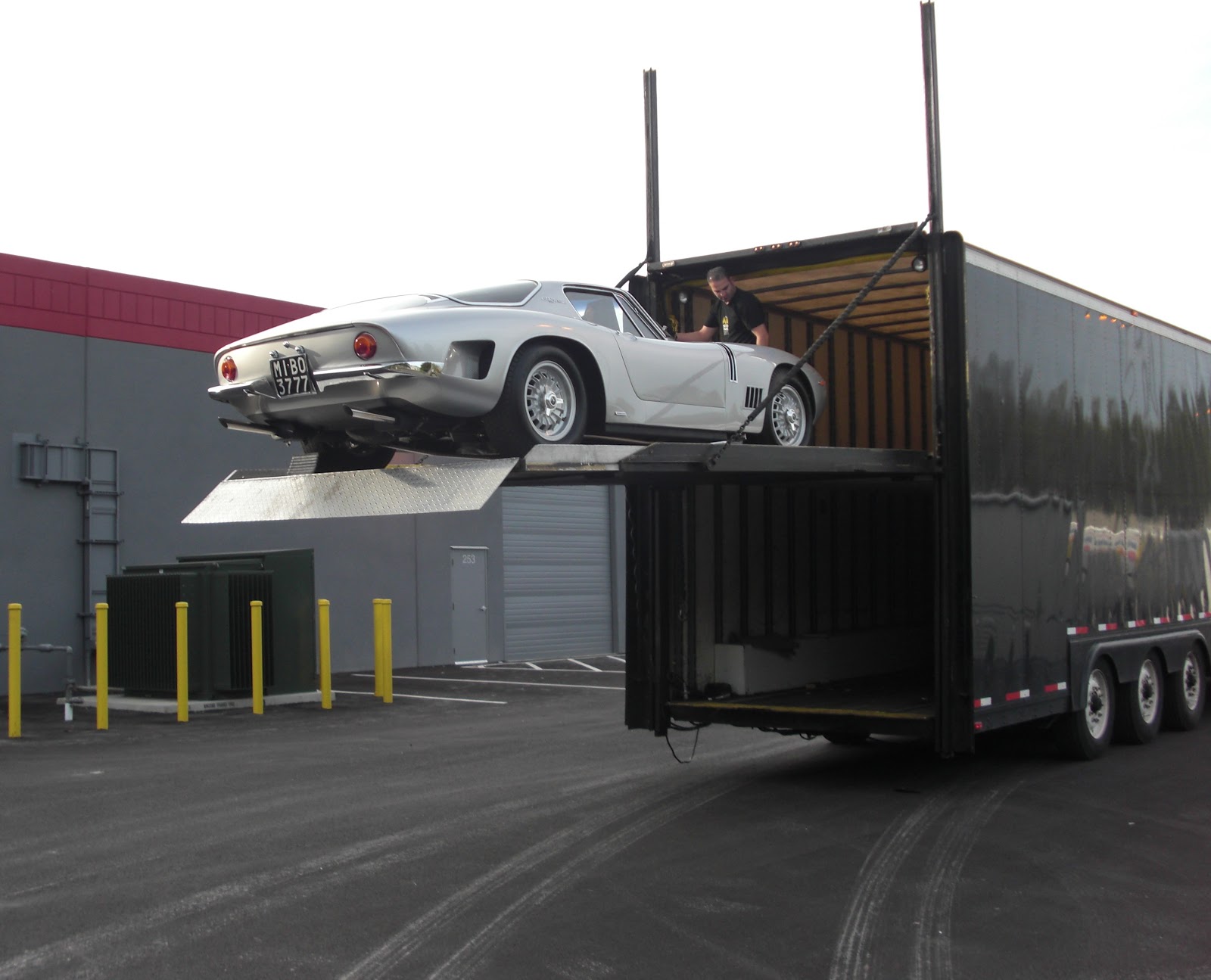
Professional transportation is sometimes preferable to long highway rides for premium models, EVs, exotic cars, and classic cars.
For added protection against weather and road conditions, many owners choose enclosed transportation.
For rare and collectible cars, auto transport providers usually advise enclosed transportation to reduce risk exposure.
Reduced Stress
Driving long distances can be unpredictable and physically taxing. Traffic jams, hotel reservations, roadside crises, and navigation are all eliminated by shipping.
When Driving Makes More Sense
Despite the advantages of shipping, driving may still be the better option in certain situations.
Shorter Distances
For relocations under 500–700 miles, driving is often more practical and economical.
Shipping shorter distances may not provide enough savings to offset transport fees.
Flexible Travel Plans
Some travelers prefer road trips and may combine relocation with sightseeing or family visits.
In those cases, the journey itself may hold value beyond transportation alone.
Low-Value Vehicles
Older vehicles with limited resale value may not justify premium shipping expenses if the owner is comfortable handling the drive personally.
However, owners should still evaluate repair risks before committing to long-distance travel.
The Impact of Fuel Prices in 2026
One of the key transportation themes of 2026 is the volatility of the fuel market.
According to the U.S. Energy Information Administration (EIA) Fuel Outlook, changes in the price of crude oil around the world continue to have an impact on the cost of gasoline and diesel in the transportation industry.
Both individual road journeys and business transportation operations are impacted by these variations.
Greater petrol prices instantly result in greater direct travel costs for drivers.
For transport carriers, diesel prices impact:
- Shipping rates
- Route planning
- Carrier availability
- Fuel surcharges
As a result, booking vehicle transport earlier and maintaining flexible pickup windows have become increasingly important for cost management in 2026.
Open vs. Enclosed Shipping
Consumers comparing transport options should also understand the difference between open and enclosed shipping.
Open Transport
Open carriers are the most common and cost-effective option.
Benefits include:
- Lower cost
- Greater availability
- Faster scheduling on major routes
Most everyday vehicles shipped nationwide use open trailers successfully.
Enclosed Transport
Enclosed carriers offer additional protection from:
- Weather
- Road debris
- Dust
- UV exposure
This option is commonly used for:
- Luxury vehicles
- Collector cars
- High-end EVs
- Rare automobiles
Although enclosed shipping costs more, it provides maximum protection for valuable vehicles.
How Vehicle Type Changes the Decision
The “drive vs. ship” decision often depends heavily on the type of vehicle involved.
Electric Vehicles (EVs)
Although EV ownership is still increasing nationwide, some areas still have trouble charging EVs when driving across the country.
Although charging infrastructure has grown quickly, there are still coverage gaps in certain remote locations, according to the U.S. Department of Energy Alternative Fuels Data Center.
For EV owners moving great distances, shipping might be more feasible due to lengthy charging durations and complicated route planning.
Pickup Trucks and SUVs
Larger vehicles consume significantly more fuel during long-distance trips. Shipping may become financially competitive much faster for heavy vehicles with lower fuel efficiency.
Classic and Exotic Cars
For specialty vehicles, professional transport is typically the safer choice due to:
- Reduced mileage
- Lower accident exposure
- Protection from weather damage
Timing Matters in Auto Transport
Shipping costs fluctuate seasonally.
Peak demand periods include:
- Summer relocation season
- Snowbird migration months
- Major holidays
Carrier demand and transport rates both rise at these times.
Customers can frequently obtain better prices and quicker service with flexible scheduling.
Transportation scheduling across the country is still influenced by trucking capacity and freight demand, according to the American Trucking Association Industry Data.
Comparing the Real Costs: Driving vs. Shipping
Here is a simplified comparison for a 2,800-mile cross-country relocation in 2026.
Driving Costs
- Fuel: $400–$700
- Hotels: $400–$900
- Meals: $200–$400
- Tolls and incidentals: $100–$300
- Vehicle wear and depreciation: $500–$1,000+
- Time commitment: 4–6 days
Estimated total: $1,600–$3,000+
Shipping Costs
- Open transport: $1,000–$1,800
- Enclosed transport: $1,800–$3,000+
- Personal travel by air: Variable
- Minimal vehicle wear
- Minimal time commitment
For many vehicle owners, the actual cost difference between driving and shipping is smaller than expected once all factors are considered.
What Auto Dealerships and Auctions Prefer
Dealerships and auction operators almost always rely on professional transport rather than employee-driven relocation.
The reasons are practical:
- Reduced liability
- Lower mileage accumulation
- Better inventory management
- Improved operational efficiency
According to the National Automobile Dealers Association (NADA), dealership logistics efficiency has become increasingly important as inventory sourcing expands across multiple states.
Which Option Is Better in 2026?
There is no universal answer.
Driving may make sense if:
- The distance is relatively short
- You enjoy road trips
- You have flexible time
- You want to avoid transport scheduling
Shipping may be the better choice if:
- The trip exceeds 1,000 miles
- Your time is valuable
- You want to avoid vehicle wear
- You own a newer, luxury, or specialty vehicle
- Fuel and lodging costs are high
Many customers are recognizing that delivering a car is no longer merely a luxury service as transportation costs continue to rise in 2026. It is now frequently a smart and cost-effective substitute for long-distance driving.
Conclusion
In 2026, there are more factors to consider than just fuel estimates when deciding whether to drive or transport an automobile across the nation. The economics of long-distance travel have changed due to rising petroleum prices, car depreciation, hotel costs, and time commitments.
For shorter excursions or those who like the road experience, driving still provides flexibility and individual independence. On the other hand, professional auto transport offers many benefits in terms of efficiency, safety, convenience, and vehicle preservation.
Shipping increasingly provides a balanced solution that minimizes stress while safeguarding time and vehicle value for cross-country relocations, dealership transfers, internet car purchases, and seasonal migrations.
The only approach to decide which option actually makes the most sense in 2026 is to carefully compare overall costs, not just upfront charges, as fuel markets continue to fluctuate and transportation logistics continue to change.



Speak Your Mind