by Mike Gulett –
When we think about Lamborghini, we usually think about drama. The Miura will attract our attention first and the Countach was a bedroom wall poster favorite. Even the Espada, Lamborghini’s four-seat grand tourer family car, was quite unconventional.
The Lamborghini Islero is different: restrained, elegant and perhaps discreet—and it deserves more attention today.
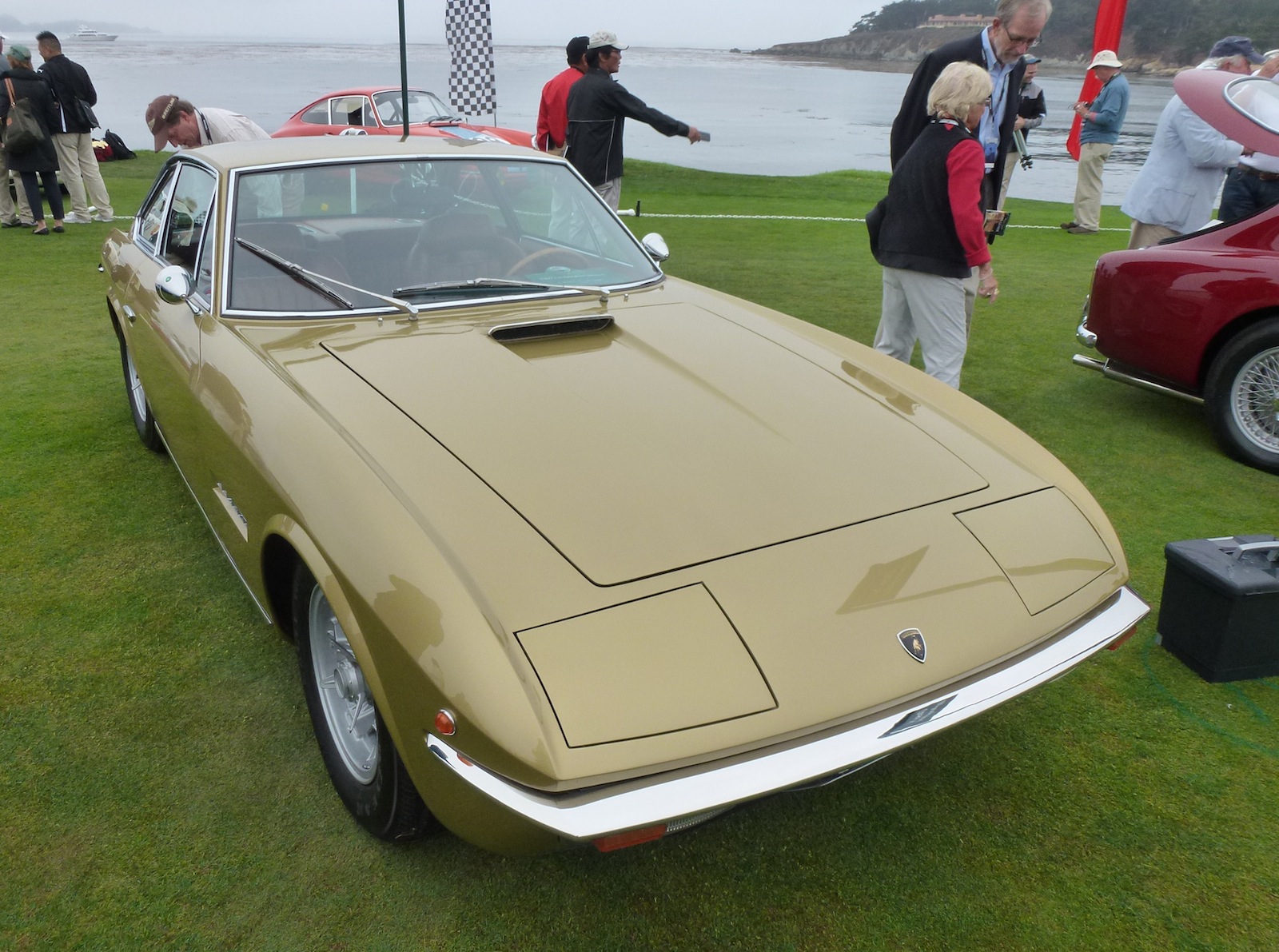
Lamborghini Islero S – Pebble Beach
Introduced at the 1968 Geneva Motor Show, the Islero replaced the Lamborghini 400 GT 2+2. It retained much of the mechanical formula that had established Lamborghini as a Ferrari rival: a front-mounted V12, five-speed manual transmission, independent suspension and a luxurious cabin intended for driving long distances at high speeds.
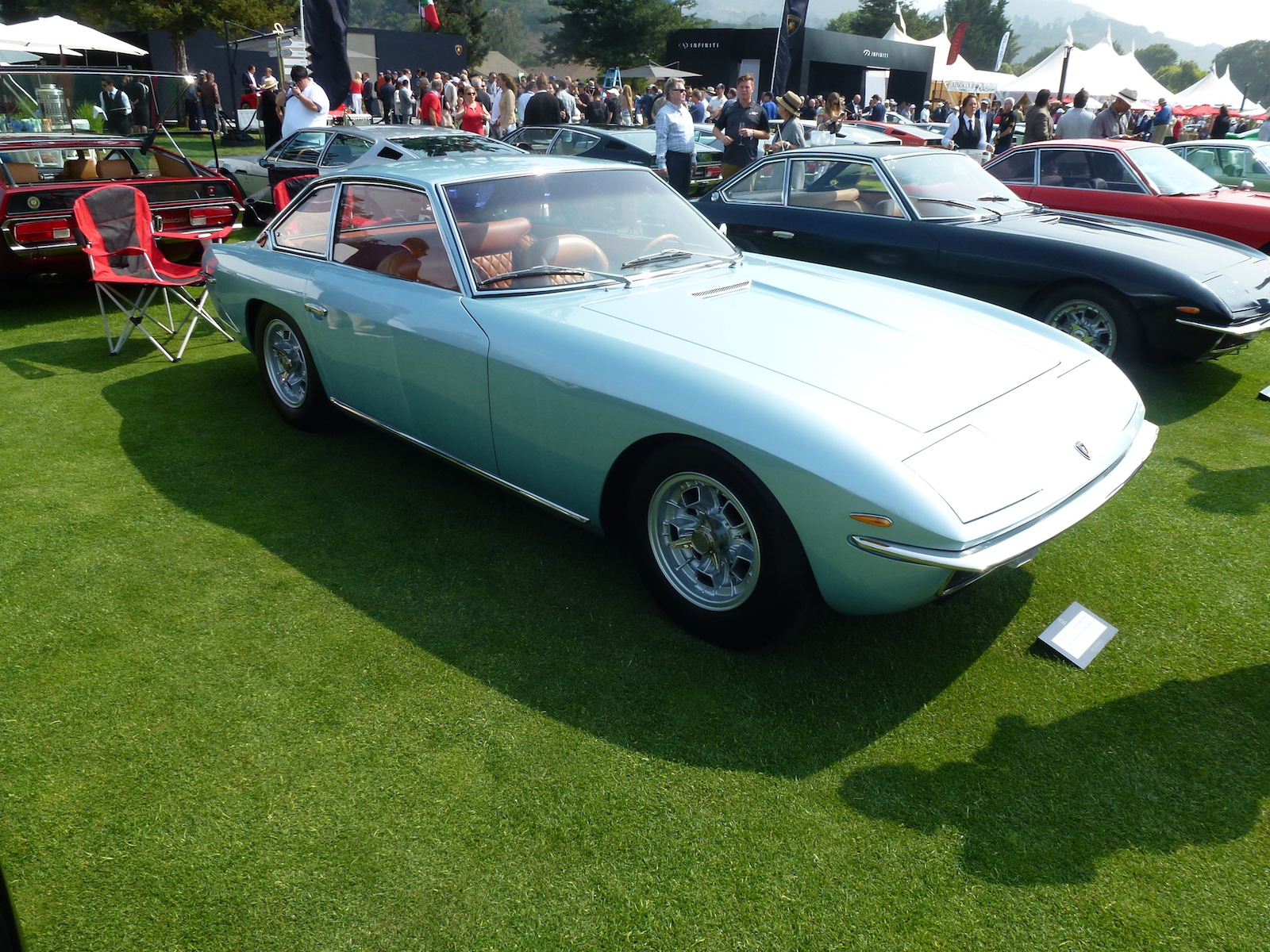
Lamborghini Islero – Ferruccio Lamborghini‘s Personal Car – The Quail
The engine was Lamborghini’s own 3.9-liter V12, descended from the Giotto Bizzarrini-designed engine that powered Lamborghini’s earliest cars. The standard Islero produced roughly 325 horsepower. The later Islero S, introduced in 1969, received about 350 horsepower—along with various other improvements.
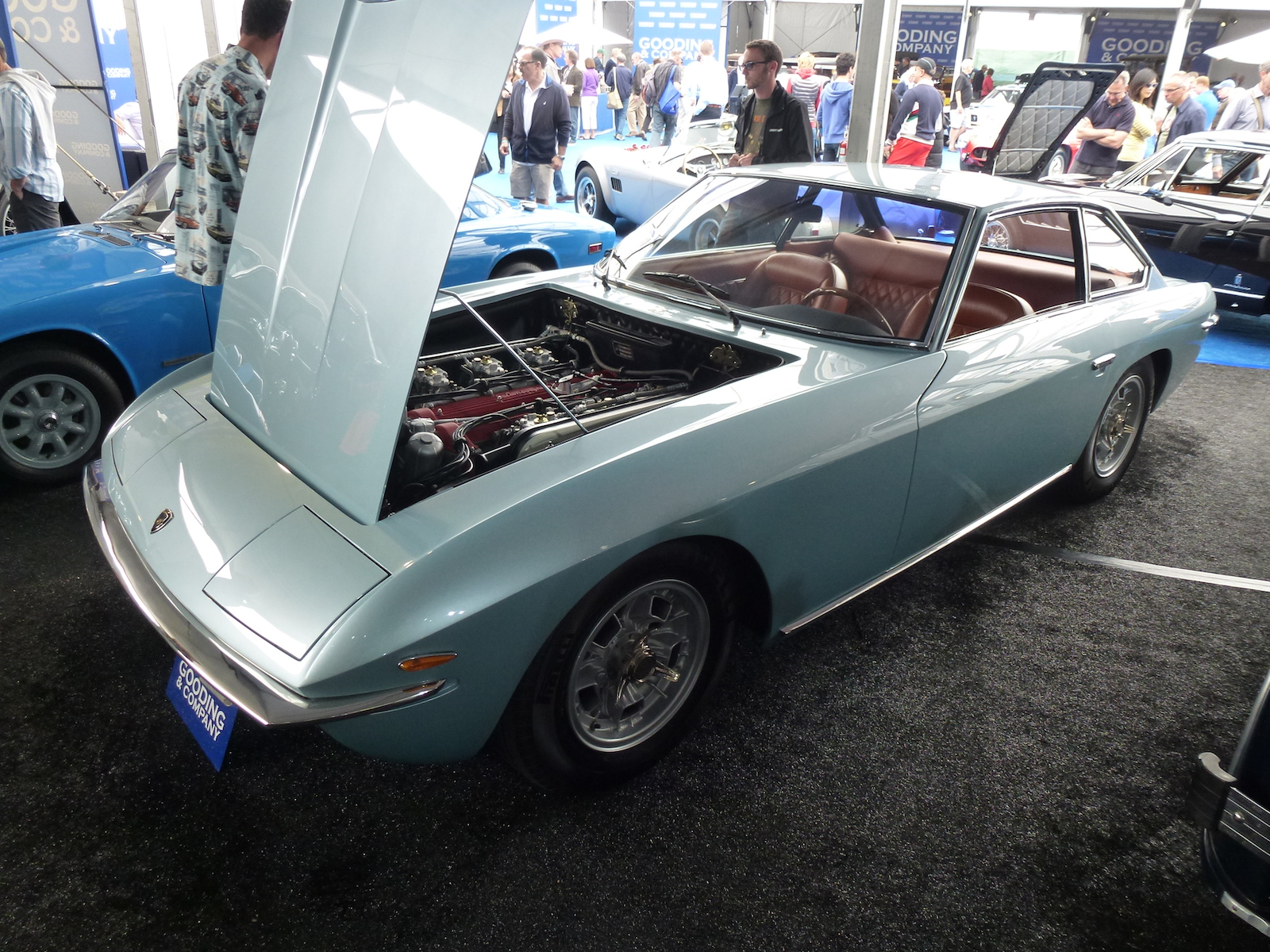
Ferruccio Lamborghini’s Islero – Gooding Auction
But the Islero’s real distinction is its body style. Lamborghini’s earlier 350 GT and 400 GT were designed and built by Touring, but that Milanese coachbuilder was having financial problems. So, the Islero was constructed by Carrozzeria Marazzi, a company founded by former Touring employees. Its styling has generally been attributed to Mario Marazzi, although the creator of the design has long been in question.
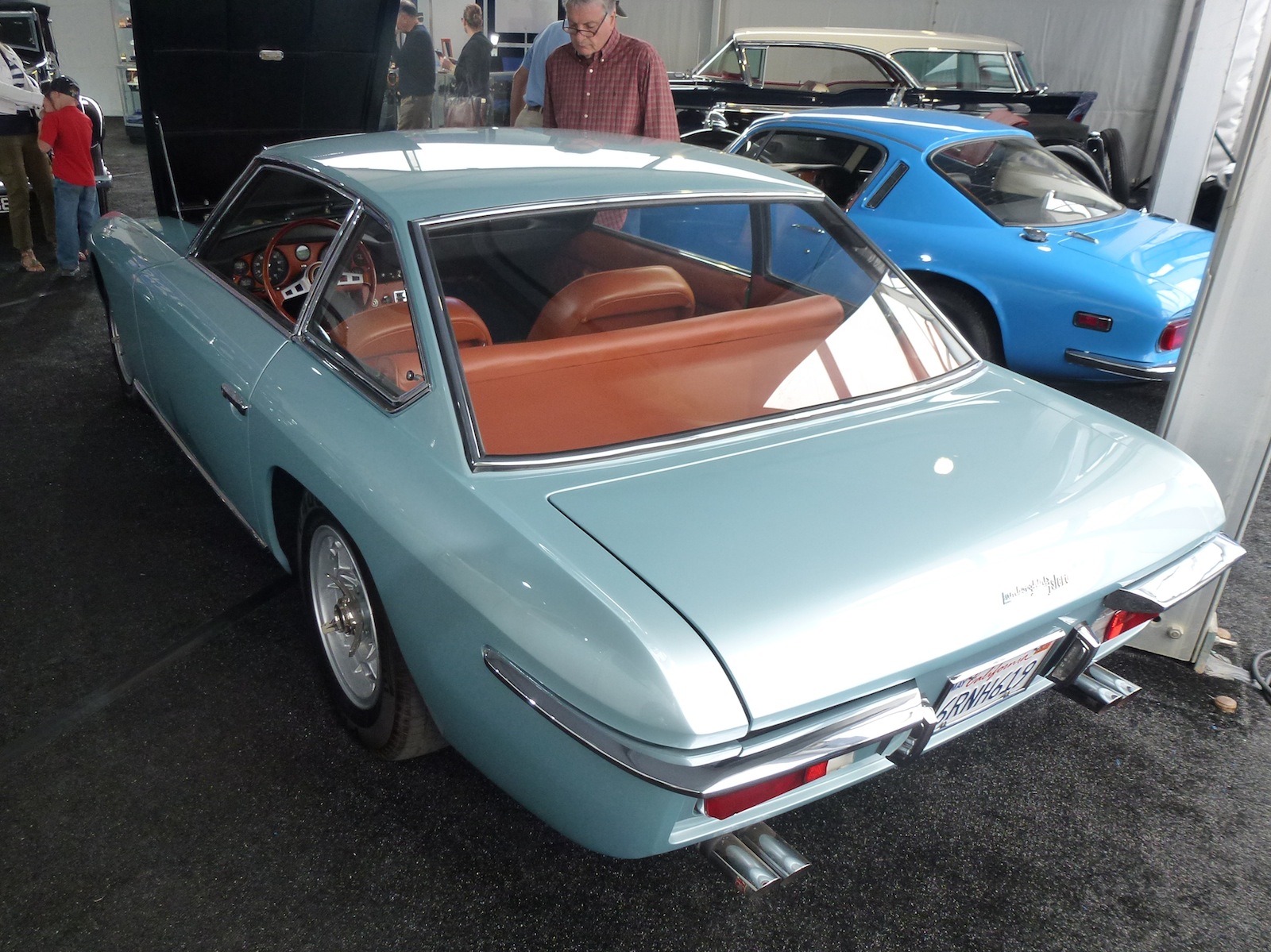
Ferruccio Lamborghini’s Islero – Gooding Auction
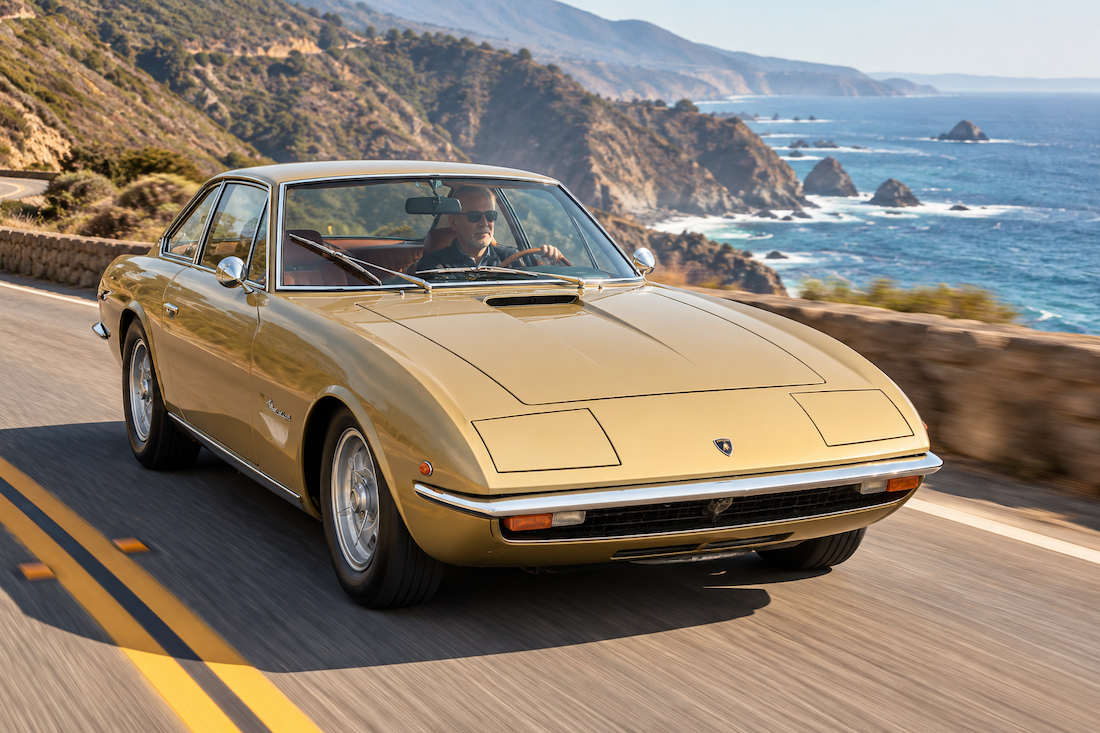
The Islero is low and well proportioned, with a long hood, slim pillars, little ornamentation and hidden headlights. It looks elegant without trying very hard. This restraint makes the Islero even more interesting today.
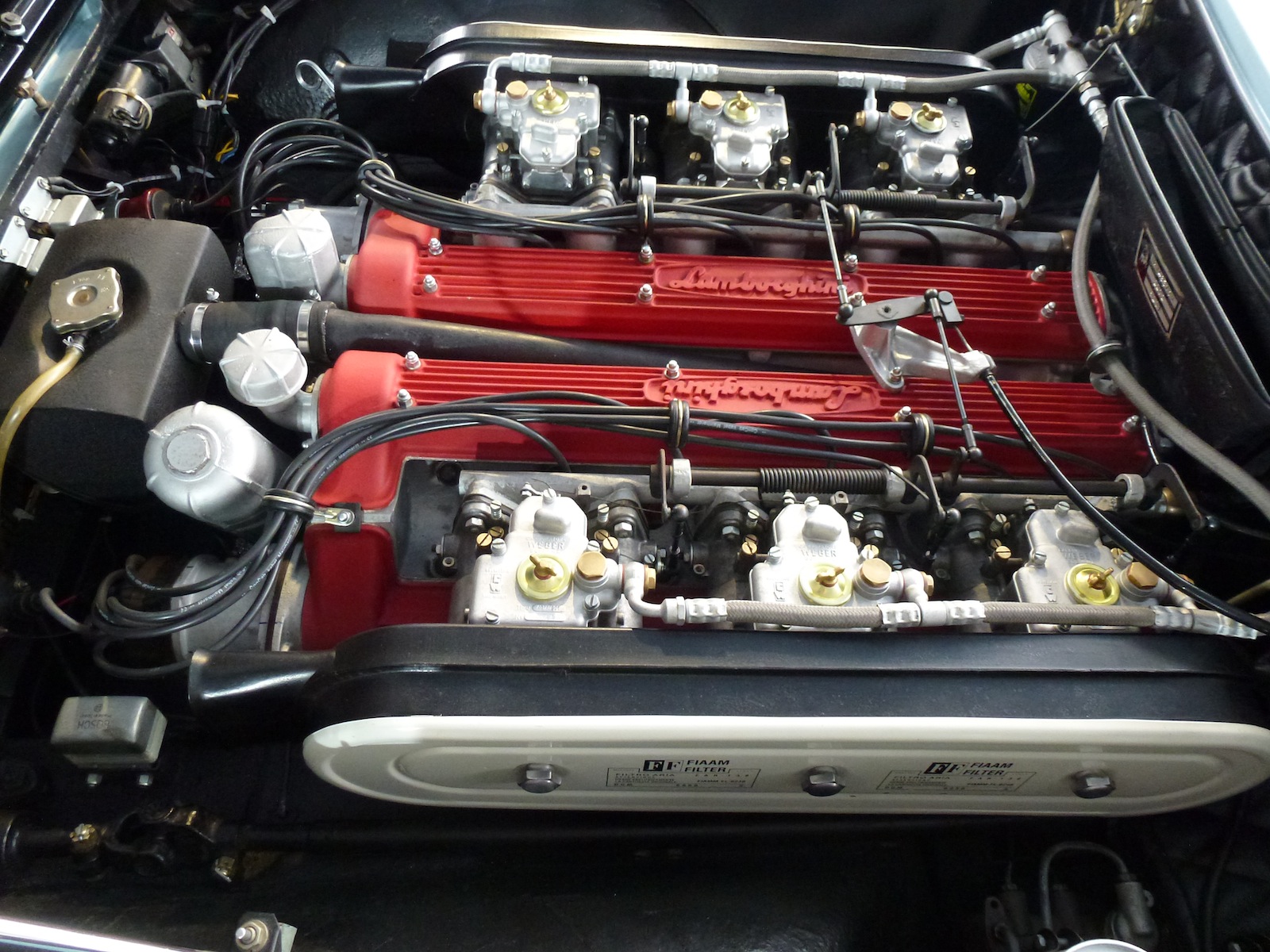
Lamborghini Islero Engine – Gooding Auction
The Islero could cruise across the country or continent in comfort, then remind us all with one press of the accelerator, that a Lamborghini V12 was sitting up front.
Ferruccio Lamborghini himself appreciated the Islero and used one as a personal automobile (see the photos of the light blue one here – this was his personal car).
The Islero is also rare; only about 225 Isleros were produced, including roughly 70 of the more powerful Islero S, before production ended in 1969.
Perhaps the Islero reputation suffered because it arrived during one of the most extraordinary periods in automotive design. It shared a showroom with the Miura. Almost any car would disappear in the background.

Lamborghini Islero Interior – Gooding Auction
Now that anonymity has become part of the Islero’s charm. It is a Lamborghini for the discerning car lover who already knows what it is.
Automotive elegance without shouting.
Let us know what you think in the Comments.
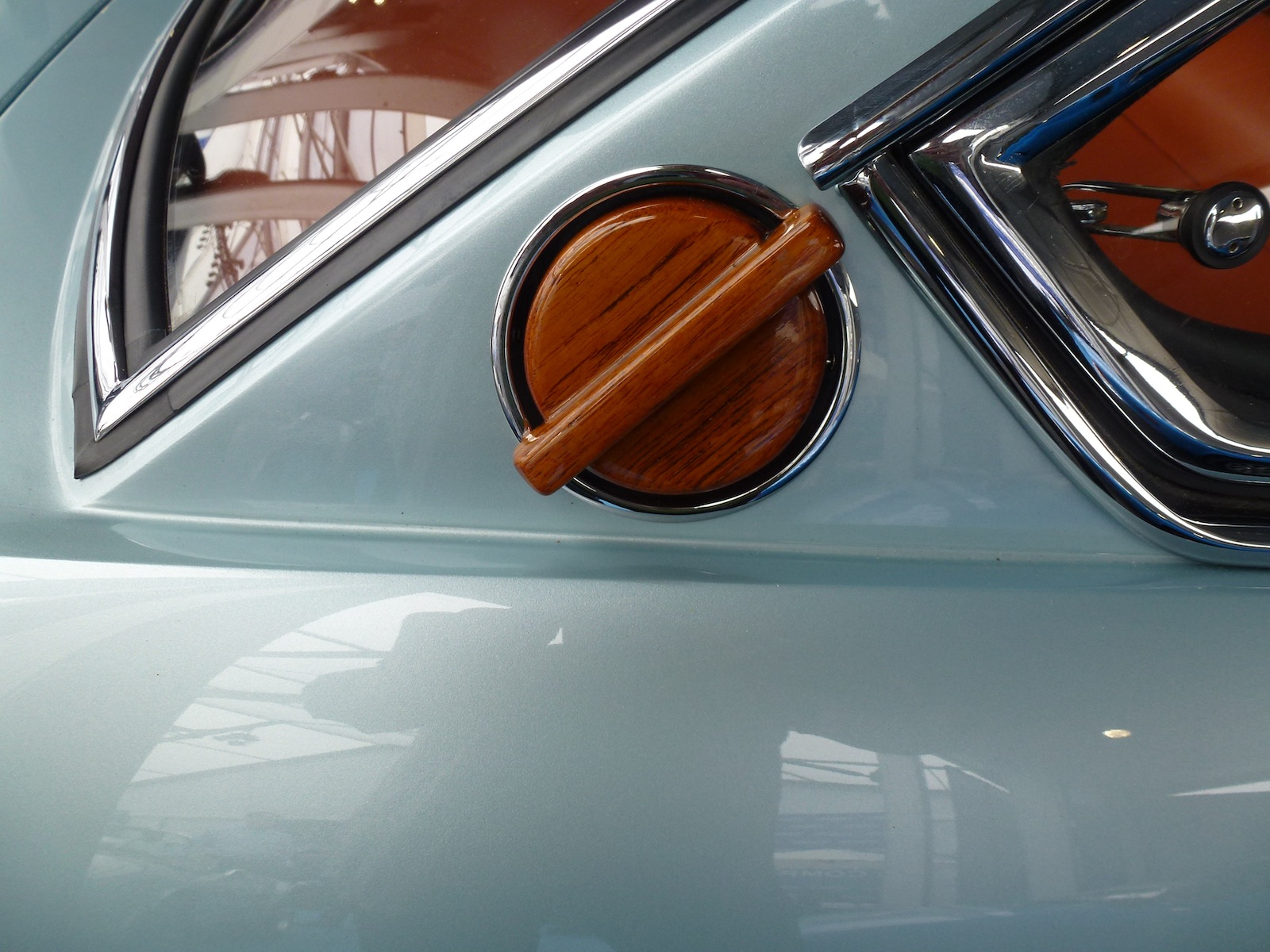
A wooden gas cap – Gooding Auction

Research, some text and some images by ChatGPT. Other photos by Mike Gulett.


Mike, great piece. I always liked the Islero (and any Lambo!). Lamborghini always created cars that were very different from Ferrari and they seemed to be more owner friendly (but not as much as comparable Maseratis). It is interesting that Intermeccanica’s Indra — styled by Scaglione – had many of the same styling cues but was created after the Islero.
I agree, the Indra does have many of the same styling cues which is a good thing but just not the level of quality to go with it.
Which is why the Indra sells for approx. 1/4 the price.
I have always had a soft spot for Italian 2+2s. Wasn’t the Islero the star car in a 70s Roger Moore movie? The Man Who Haunted Himself I think.