by Mike Gulett –
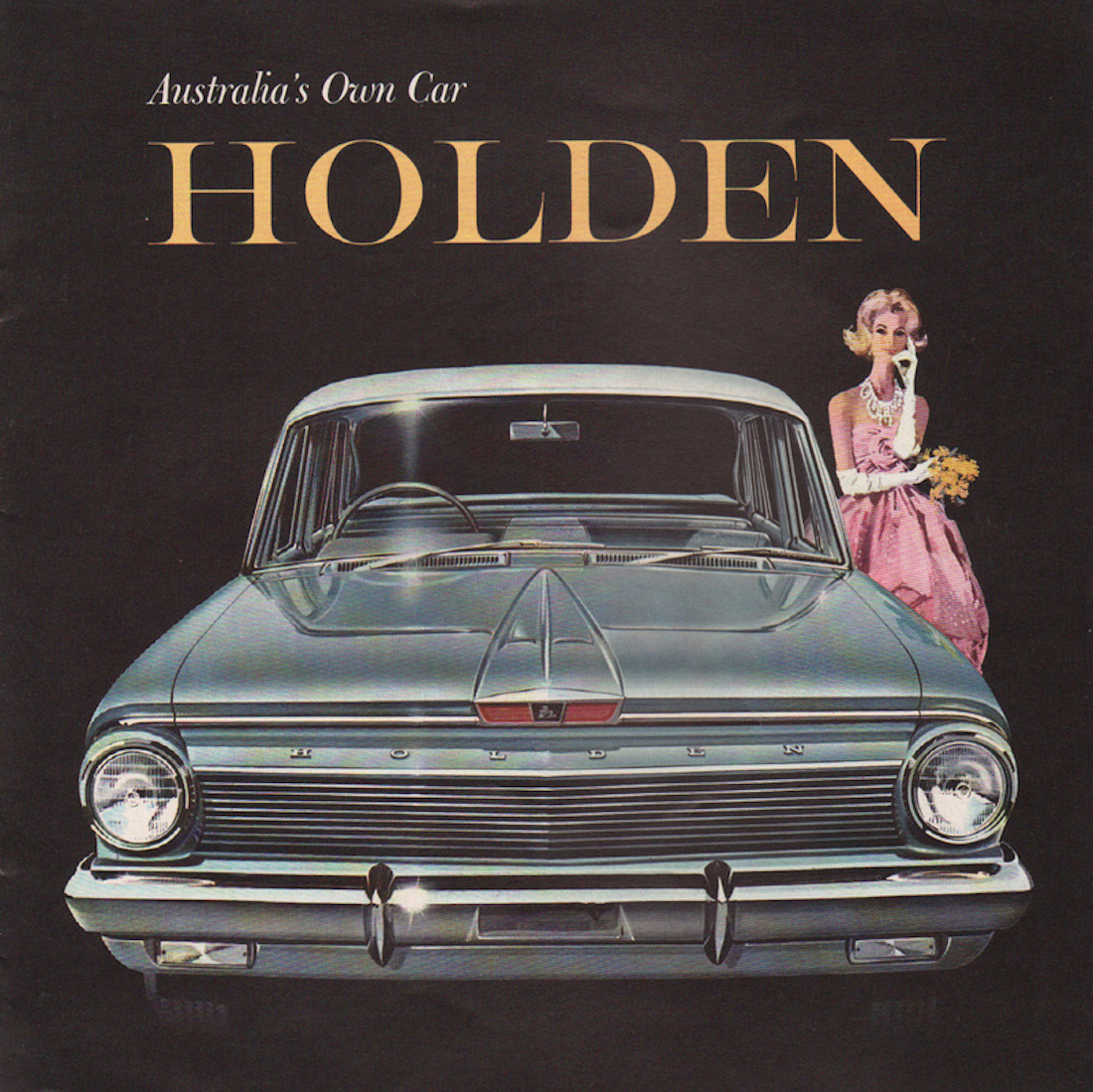
Sometimes a car company can become something more important than just a company — it can be a part of a nation’s identity.
This happened in Australia with Holden.
For decades Holden was more than just a car brand. It was a symbol of Australian ambition, independence, and a rugged practicality that suited a continent where distances are vast and the roads were rough.
A Humble Beginning
Like many car makers Holden did not begin with automobiles.
In 1856, James Alexander Holden started a saddlery business in Adelaide. At the time Australia was still a horse-powered society as most countries were and the company made harnesses and leather goods.
As the automobile began replacing the horse in the early twentieth century, Holden adapted and shifted toward building car bodies for imported chassis.
In 1931, Holden was acquired by General Motors, becoming General Motors–Holden’s Ltd. This relationship gave Holden access to the resources allowing them to do something ambitious; build a car designed for Australia.
The First Real Australian Car
Like many other countries after World War II, the Australian government wanted a domestically produced car — something that could support local industry and give the country more industrial self-reliance.
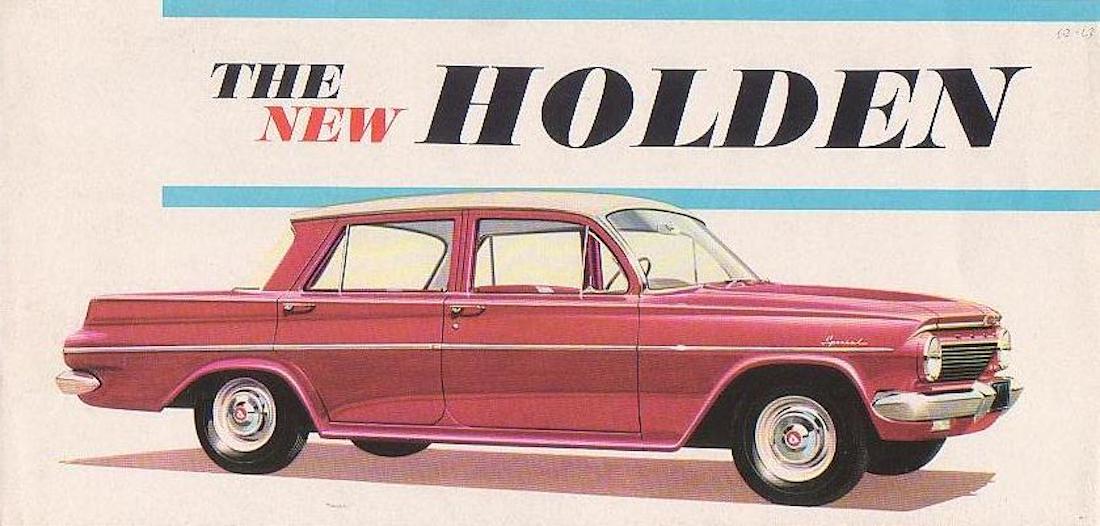
In 1948 this ambition resulted in the Holden 48-215, also called the FX Holden.
The car itself was simple and tough as it had to be. Australia was not a land of smooth highways at the time. It was a place of long distances, dust, heat, and rural roads that could challenge most automobiles.
The FX Holden handled it all well.
Australians embraced the car, for many families, a Holden was the first new car they ever owned. It became the car that took kids to school, carried surfboards to the beach, and crossed vast distances.
The Australian Dream
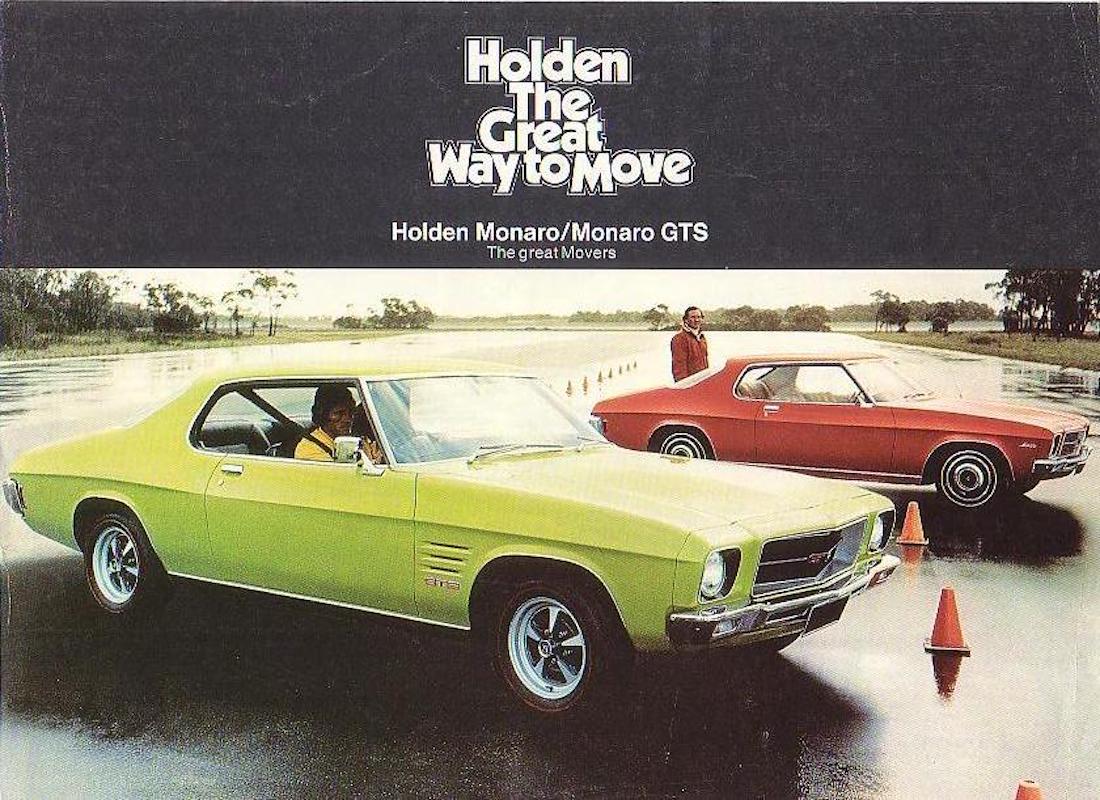
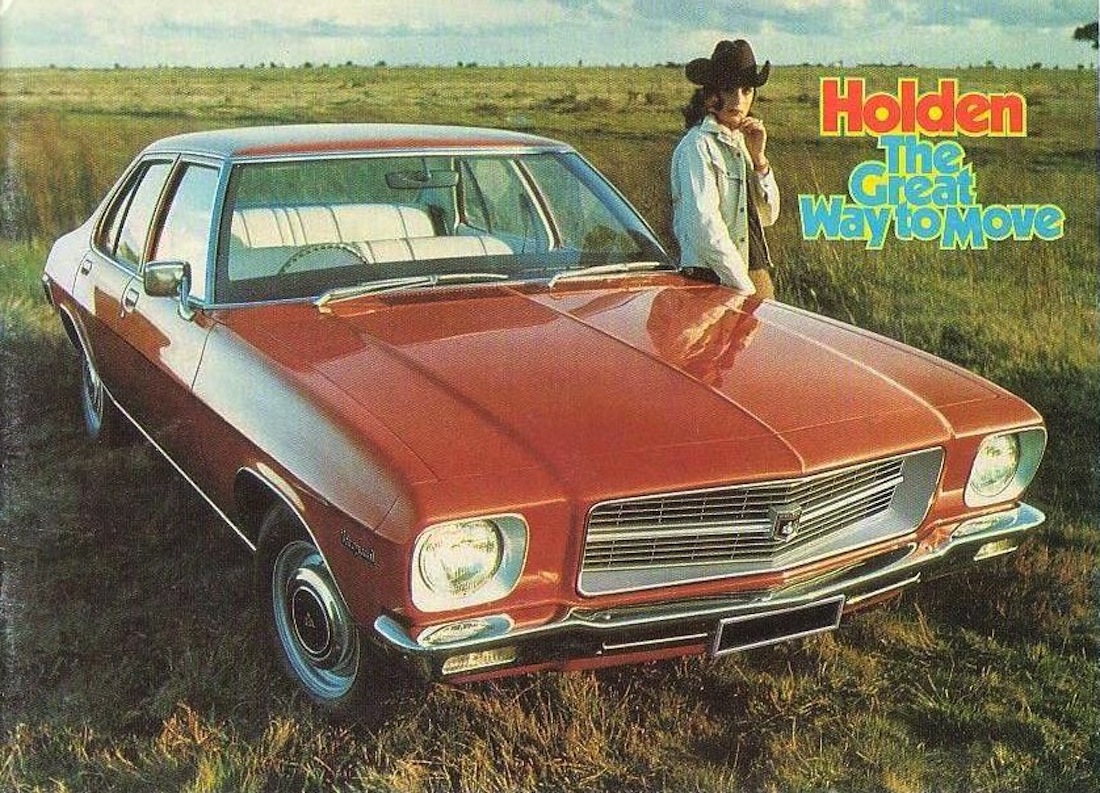
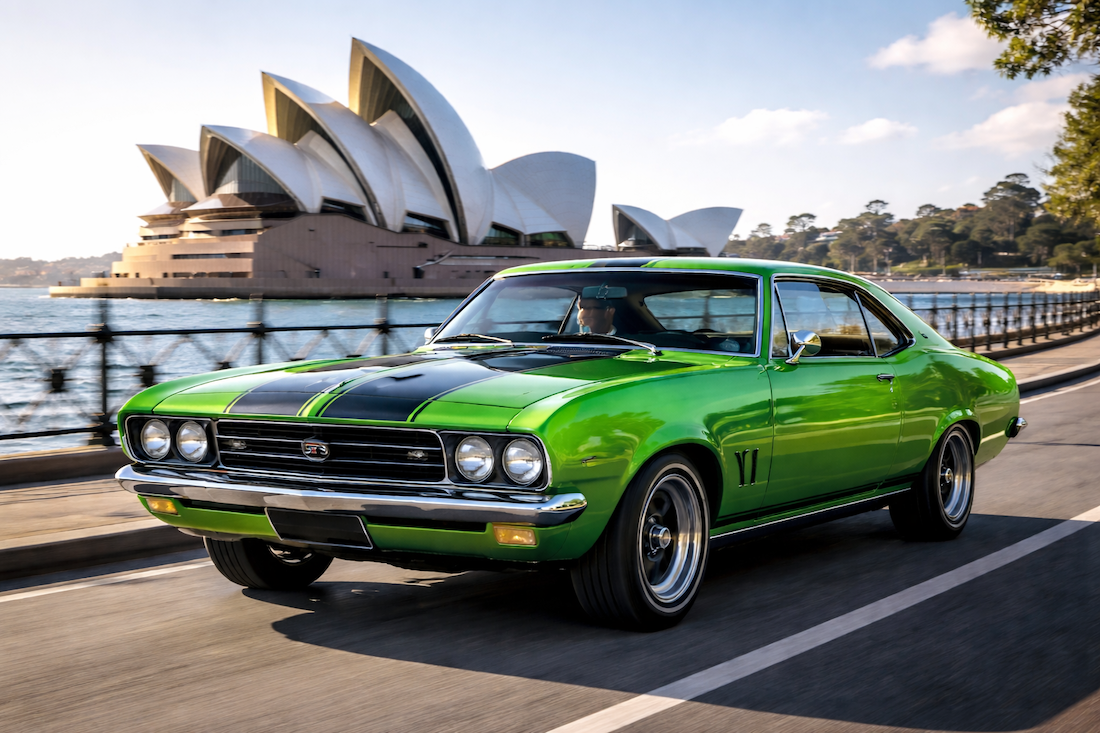
By the 1950s and 1960s Holden was dominating the Australian market. Cars like the Holden FJ became part of everyday life and the Holden Monaro gave Australia a local made muscle car. The Holden Commodore, introduced in the late 1970s, would go on to define the modern Australian sedan.
There was a famous advertising line:
Football, meat pies, kangaroos and Holden cars.
This solgan captured something real. Holden represented the idea that Australia could build its own cars — cars suited to its landscape, its driving habits, its people and its personality.
Racing and Rivalry
In Australia, the annual Bathurst 1000 became the stage for one of the great automotive rivalries: Ford versus Holden.
For generations of fans, they either supported one or the other. Families argued about it. Neighbors debated it. Entire towns seemed to pick sides.
Holden victories at Bathurst only deepened the loyalty to the company.
The Slow End of an Era
Unfortunately, the world changed and globalization transformed the auto industry. Australia’s market was relatively small, labor costs were high, and competing against global manufacturing became more and more difficult. By the early 2000s, the economics of building cars in Australia were not looking very good.
In 2017, Holden ended local vehicle production. The last Australian-built Commodore rolled off the line in Elizabeth, South Australia. It marked the end of nearly seventy years of domestic car manufacturing by Holden.
Three years later, in 2020, General Motors officially retired the Holden brand. Just like that, an Australian icon was gone.
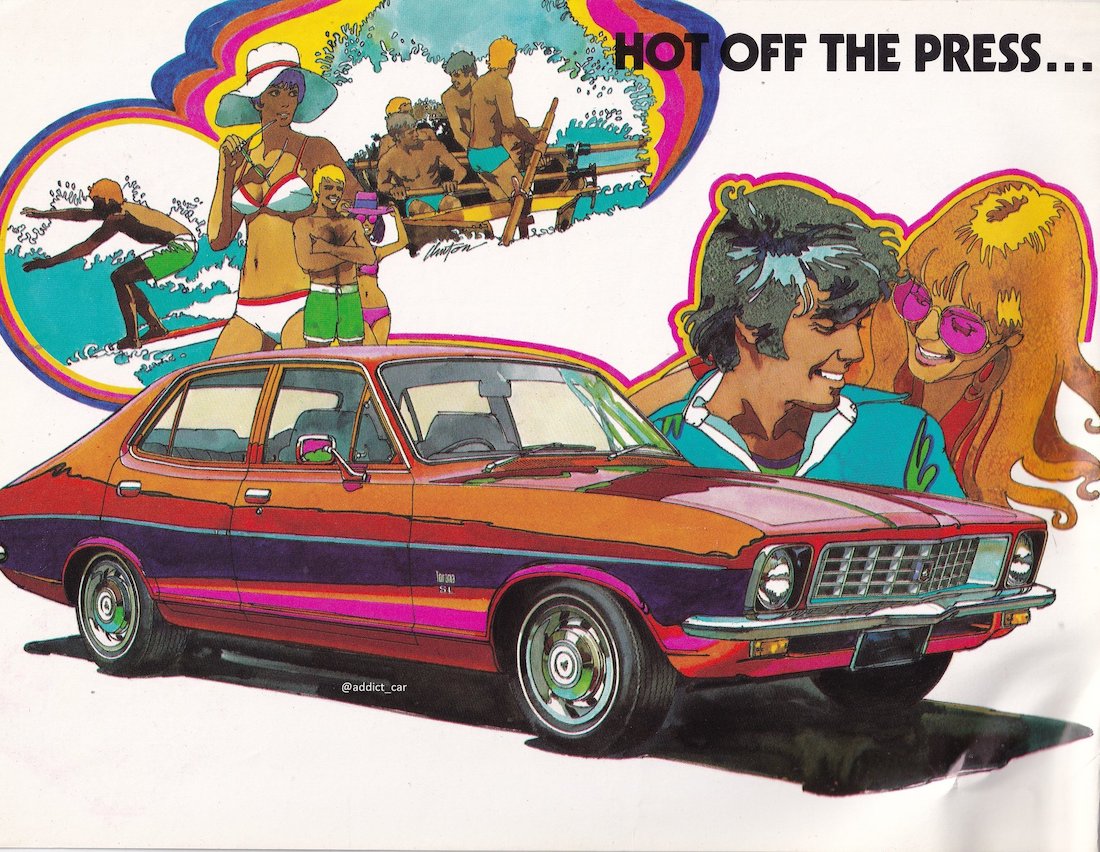
More Than a Car Company
Holden helped build Australia’s industrial base after World War II. It provided tens of thousands of jobs. It trained engineers, designers, and factory workers who shaped the nation’s manufacturing capabilities.
Holden gave Australians a car that felt truly their own. One they were proud of.
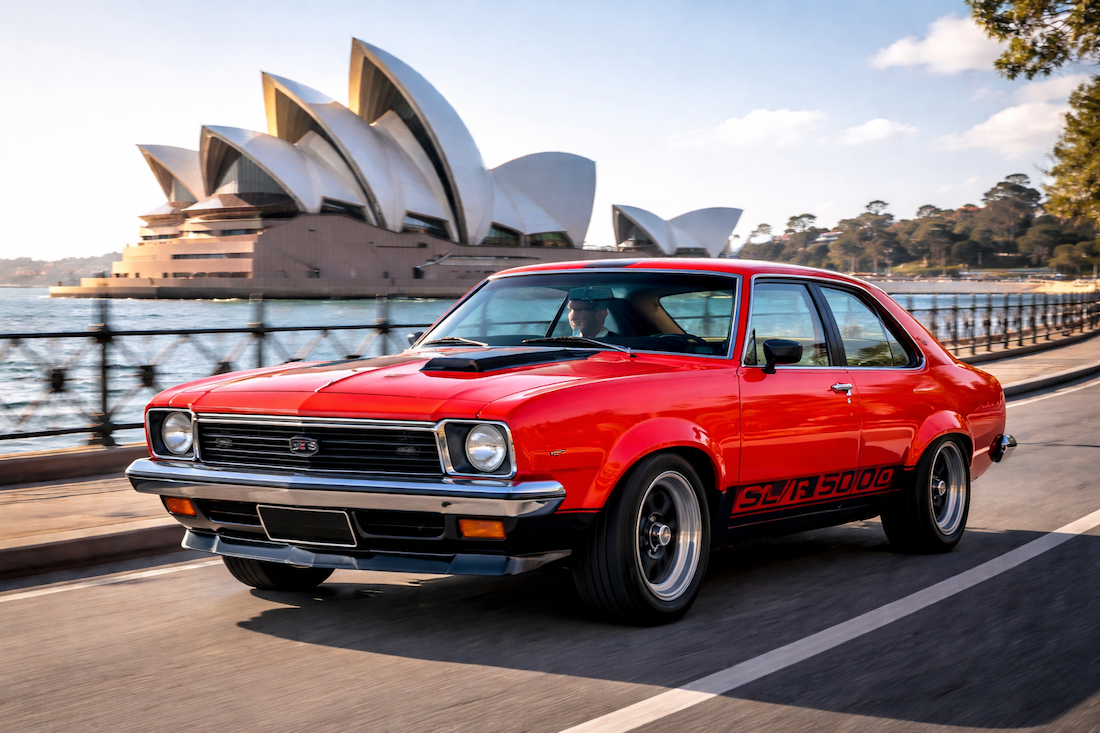
Today, classic Monaros, Toranas, and Commodores are loved by car collectors. Not just because they are good cars but because they represent something that no longer exists.
——————————————————————————————————————-
The Holden Hurricane
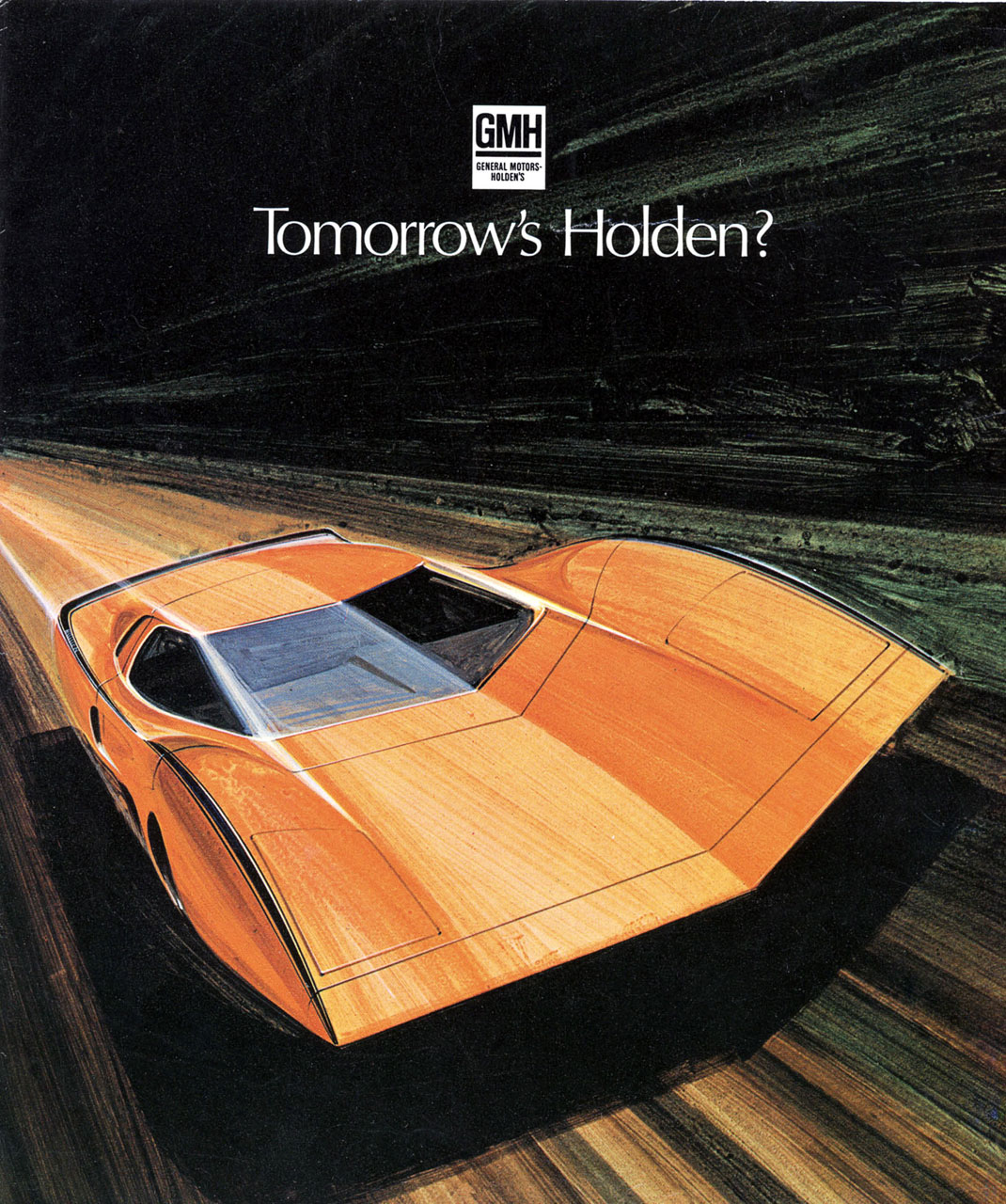
The Holden Hurricane was a concept car designed and made by GM Holden in 1969.
The futuristic concept vehicle was an experiment “to study design trend, propulsion systems and other long range developments”.
Code named RD 001, the Holden Hurricane is a mid-engined, rear-wheel drive, two-seater, fiberglass bodied sports car that uses an array of innovative features and technology, much of it was way ahead of its time.
The Holden Sandman
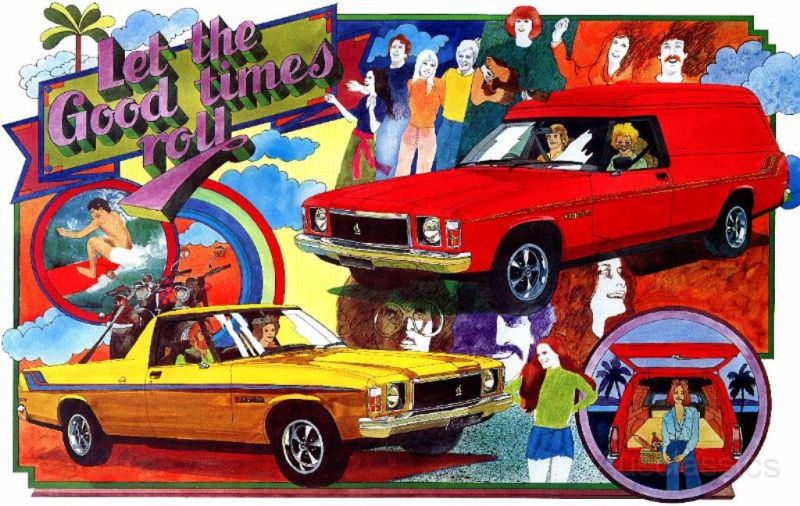
“Let the Good times roll” is the title of a Holden Sandman sales brochure. That sounds like a vehicle made for fun not for work. The images on the sales brochure are young people dressed for the beach with their surf boards having great fun. The Sandman colors are bright and psychedelic as expected for the times to make a personal statement.
Let us know what you think in the Comments.

Research, some text and some images by ChatGPT. Some images by Holden.


Hi Mike
The Holden Monaro GTS was also assembled in South Africa and were very popular cars. They would compete with the Chev SS (a local variant) and the Ford Fairmont GT. There was also great rivalry between the Ford and GM cars. Our family were GM people.
Mike,
Car manufacturing in Australia was a proud tradition, and provided an industrial base with jobs. GM even imported Holdens (the Chevrolet SS, Pontiac G8) and rebadged them Unfortunately, the Australian public did not want to continue to subsidize these jobs and the industry by the use of tariffs, and the politicians complied. As soon as the tariffs on foreign cars were removed, everybody left in 2017: Holden, Ford, and Toyota. Very sad ending to a proud automotive heritage.
“Football, meat pies, kangaroos and Holden cars.” This is surely an Australian version of the Chevy slogan: “Baseball, Hot Dogs, Apple Pie, and Chevrolet”.
Thanks for the great article!!!
Glenn in Brooklyn, NY.
I still drive mine, 200,100 miles on the clock and still running strong.
https://mycarquest.com/2020/05/opinion-wheels-gone-bad.html#comment-607169