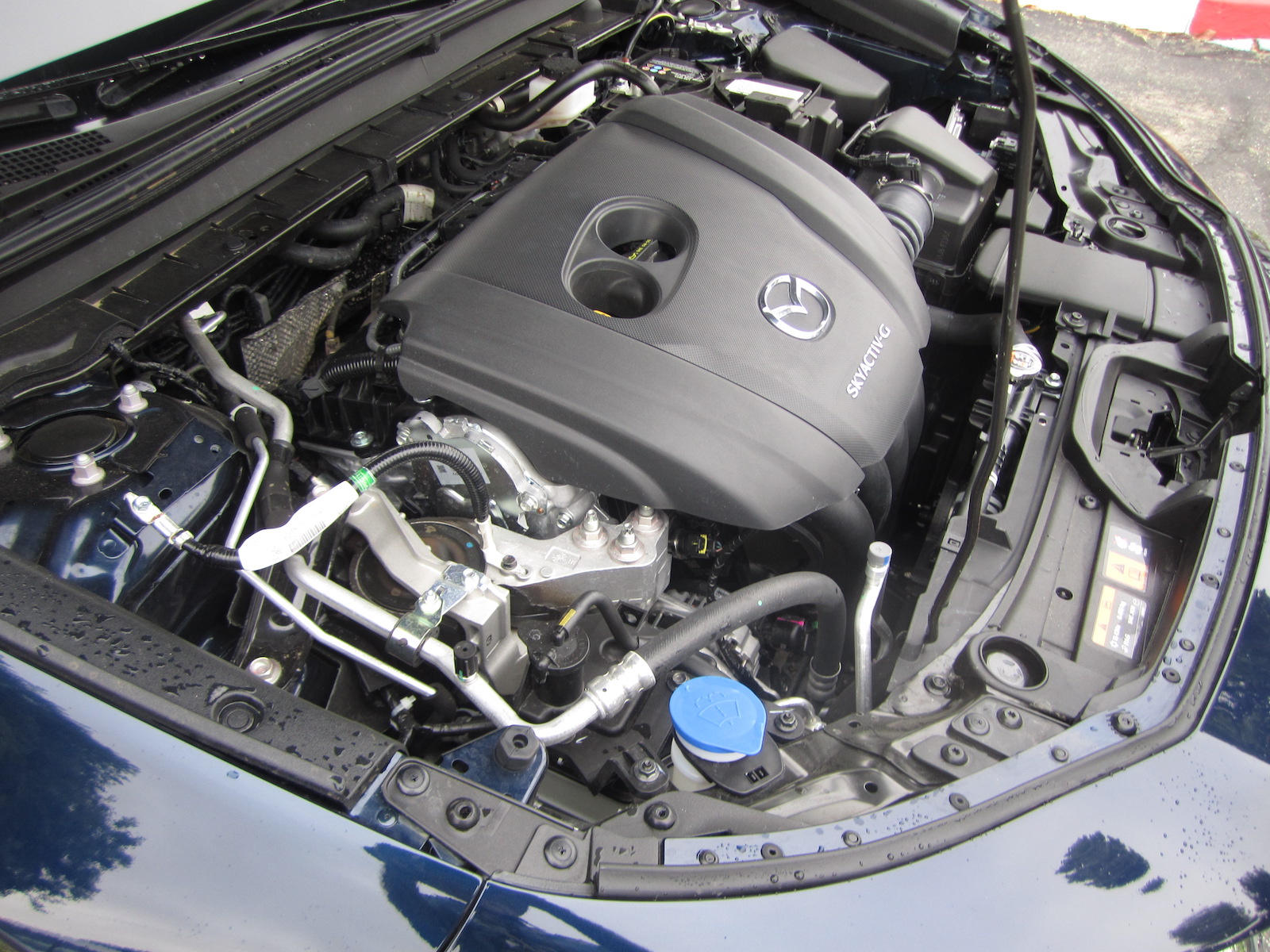
When you open the hood of a car that has been cared for, you’ll see clean components, tight fittings, no sludge, and no mystery leaks. For car owners and enthusiasts, a car’s value is about stewardship rather than mileage. Regular maintenance is the quiet force that protects both performance and long-term worth. Below are various ways consistent upkeep preserves car value.
Service Records Are Currency
When it comes time to sell, a thick folder of documentation signals to buyers that the car hasn’t been neglected, even if it has a few honest miles. Maintenance records are a financial instrument to reduce perceived risk, and lower risk means stronger offers. Buyers of modern performance cars will also scrutinize whether fluid changes, brake services, and factory-recommended inspections were performed on schedule.
Preserves Originality
Enthusiasts know that once an engine has been opened or a transmission rebuilt, originality is compromised, even when work is needed. Regular maintenance delays the need for invasive repairs in the following ways:
- Clean oil reduces wear on internal engine surfaces
- Fresh coolant prevents corrosion in aluminium blocks and radiators
- Brake fluid changes protect expensive ABS modules
By scheduling fluid replacement and an oil change in Houston TX, you’re protecting castings, seals, and bearings. Moreover, keeping service intervals tight ensures the engine’s internal condition mirrors its outward appearance. Buyers may not see inside the crankcase, but they will feel the difference in how the car runs.
Preventive Maintenance Reduces Depreciation Shock
Depreciation is inevitable, but neglect accelerates it. When a car buyer encounters worn suspension bushings, squealing belts, or uneven tire wear, the buyer may wonder what else was overlooked.
Replacing aging rubber components before they crack, aligning wheels to prevent uneven tire wear, and addressing minor oil leaks before they stain the driveway are just a few preventive measures you can take. Each proactive decision keeps the vehicle from crossing the line between well-used and worn out. This line is also where resale value drops sharply.
Ensures Balance
A pristine exterior with a poorly maintained engine bay raises suspicion. Conversely, a mechanically perfect car covered in oxidation and faded trim signals indifference. Regular washing prevents corrosion, wax protects paint from UV damage, and interior conditioning preserves leather and plastics. These actions may seem superficial, but they directly impact market value. Collectors understand that patina can be charming, but deterioration is not.
Maintenance Protects Driving Character
Beyond numbers and resale spreadsheets, there’s something harder to quantify: feel. Every car has a personality. Steering weight, throttle response, brake bite, the way the chassis settles mid-croner, etc. These traits form the car’s identity. Regular maintenance preserves that identity. For enthusiasts, especially those who care about analog driving experiences, this matters. A well-maintained care keeps communicating. It turns crisply, it accelerates cleanly, and it stops with confidence. That preserved driving character is often what separates a nice example from a truly desirable one.
Endnote
A car that receives regular care drives better, ages more gracefully, and commands more respect in the marketplace. Enthusiasts often talk about buying the best example you can afford, but becoming the kind of owner future buyers hope for is just as important.


Speak Your Mind