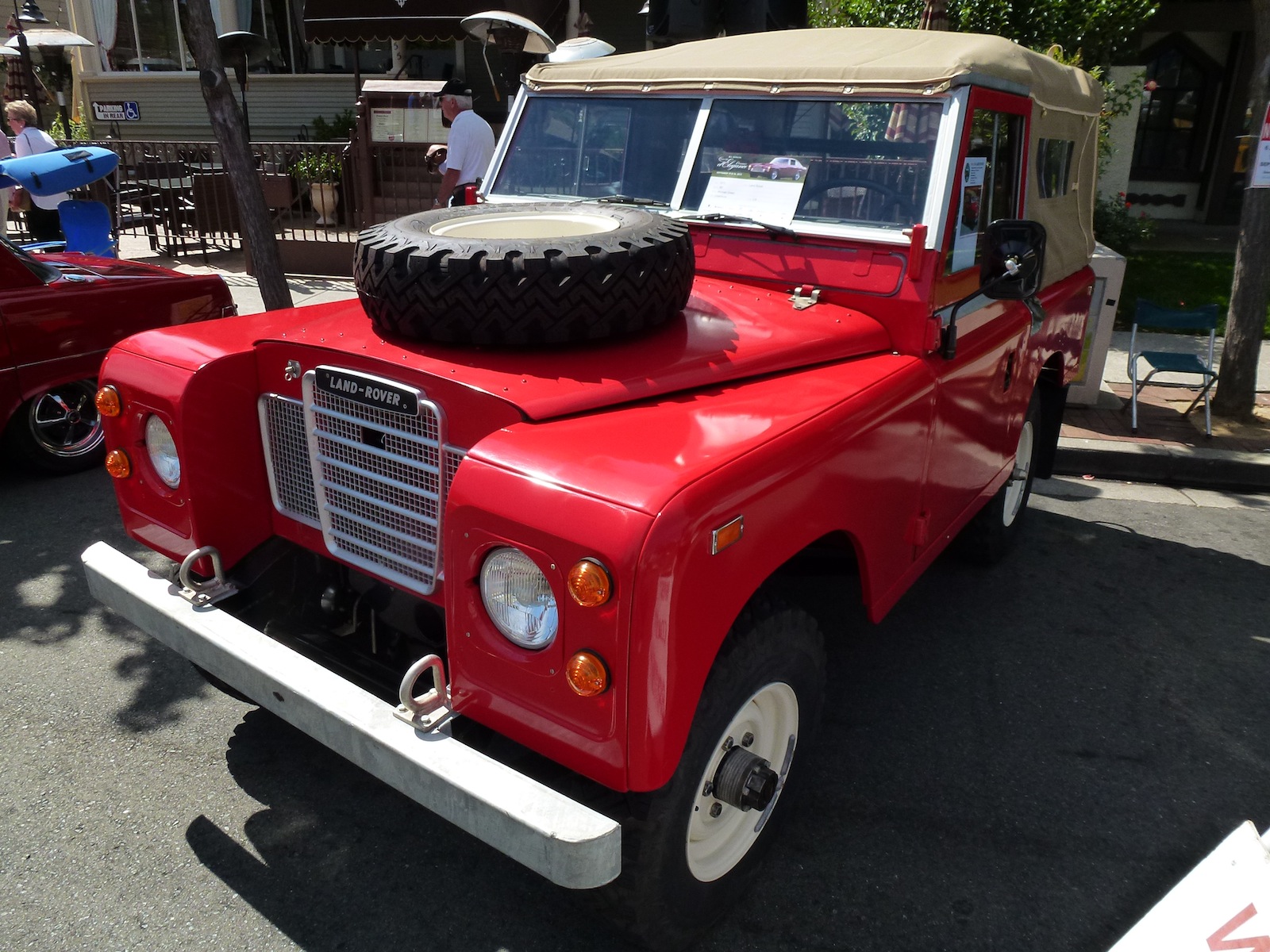
Without help from manufacturers and dealerships, owning a Rover after the brand is discontinued is a lot tougher than most people expect. Keeping up with major repairs becomes really overwhelming, as finding parts is a constant hunt.
That’s why you need to get creative with how you look after a running classic like this; otherwise, it can slip back into disrepair not long after you’ve spent a small fortune restoring it. If you understand these challenges early on and put a solid maintenance plan in place from day one, you stand a much better chance of keeping your Rover on the road instead of watching it slowly fade away in the corner of a barn.
Common challenges Rover owners face today
The first problem is finding a mechanic who is well-versed in parts specific to Rovers. Almost everyone has worked on a Honda or Toyota and can fix them, but the problem with a Rover is the lack of familiarity and access to parts; even many technicians don’t want to work on them.
Parts availability is another ongoing headache. You may be able to find basics like brake pads or filters, but anything tied closely to a specific Rover model can be really hard to track down. On top of that, many newer Rovers have electrical parts that cannot be replaced with parts from other manufacturers.
Preventive maintenance strategies that work
The K-series engine is a feat of engineering due to its lightweight “sandwich” construction, but it is unforgiving of cooling failures. The original factory design used plastic locating dowels and a single-layer head gasket that frequently failed.
To properly maintain this engine, owners should verify if a Multi-Layer Steel (MLS) gasket has been fitted. Staying on top of coolant levels and replacing the thermostat every 50,000 miles also makes a real difference.
Electrical components require proactive attention. Rover’s electrical systems, including on vehicles from the late 1990s onward, have connections that suffer corrosion with age. Checking and cleaning ground points once a year will help prevent the occasional electrical gremlin that develops in unloved vehicles.
Suspension bushings wear out earlier than one would think, as Rover cars are heavier. Even without high mileage, the rubber parts in Rover suspensions age poorly. Changing these out before they go bad is cheap insurance to handle and protect your more expensive parts.
Finding reliable technical information
Rover repair manuals are among the few things you keep safe after the model disappears. Good manuals have more than just simple instructions, with details about factory specs, wiring diagrams, and recommended repair procedures.
That doesn’t mean that you’re stuck with some dry manual full of torque values and step-by-step procedures; these books are loaded to the gills with grease types, system layouts, and diagnostic checks that save you a boatload of guesswork when it comes time to get dirty.
Online Rover communities make up for the lack of manuals. Places like the forums RoverTech and part supplier Rover P6 Parts are also de facto round tables that owners crowd around for fixes to common issues and copious cross-reference part lists.
Parts availability and replacement strategies
Some standard Rover parts are now being reproduced by aftermarket suppliers. National suppliers like Rimmer Bros specialize in British vehicle components to cover the entire discontinued model line. Sometimes, special-order items can only be found at salvage yards specializing in British cars.
The classic car network offers access to recently encountered stock substitute parts. Partly because they know the demand making these very items available long after the official production shelf life is over, suppliers of vehicle components continue to work together with car clubs. A man in Texas who drives a Rover found new dashboard trim piece from someone who bought up remaining inventory at the factory in 2007.
Mechanics who specialize in Rovers, although few and far between, are worth the trip. They know all the idiosyncrasies and weak spots of various Rover models. An ongoing relationship with a specialist out of state can offer advice on DIY maintenance and assistance on more complex repairs beyond the home garage.
It takes patience and creativity to keep a long-dead Rover on the road, but there are thousands of owners all over the world who prove it’s perfectly possible. With some watertight common sense, good technical documentation, and a network of Rover enthusiasts, this one-of-a-kind vehicle can be kept running for decades after the last factory gate was closed.


Any competent tractor mechanic can work on one ?