Beyond Zagato and Pininfarina
by Mike Gulett –
In mid-century Europe, a handful of visionary designers and craftsmen shaped beautiful cars from bare chassis. While names like Zagato and Pininfarina dominate the conversation today, there exists a deeper bench of coachbuilders whose influence—and beauty—deserve more of our attention.
These are four of the forgotten ateliers.
Carrozzeria Ghia
Founded in 1916, Ghia’s early work reflected traditional elegance, but by the 1950s they leaned into bold experimentation.
Its collaboration with American automakers—especially Chrysler—they produced some of the most daring designs of that era, including the turbine-powered concept cars that still seem futuristic today. At the same time, Ghia styled Ferraris and Alfa Romeos in shapes that balanced restraint with Italian flair.
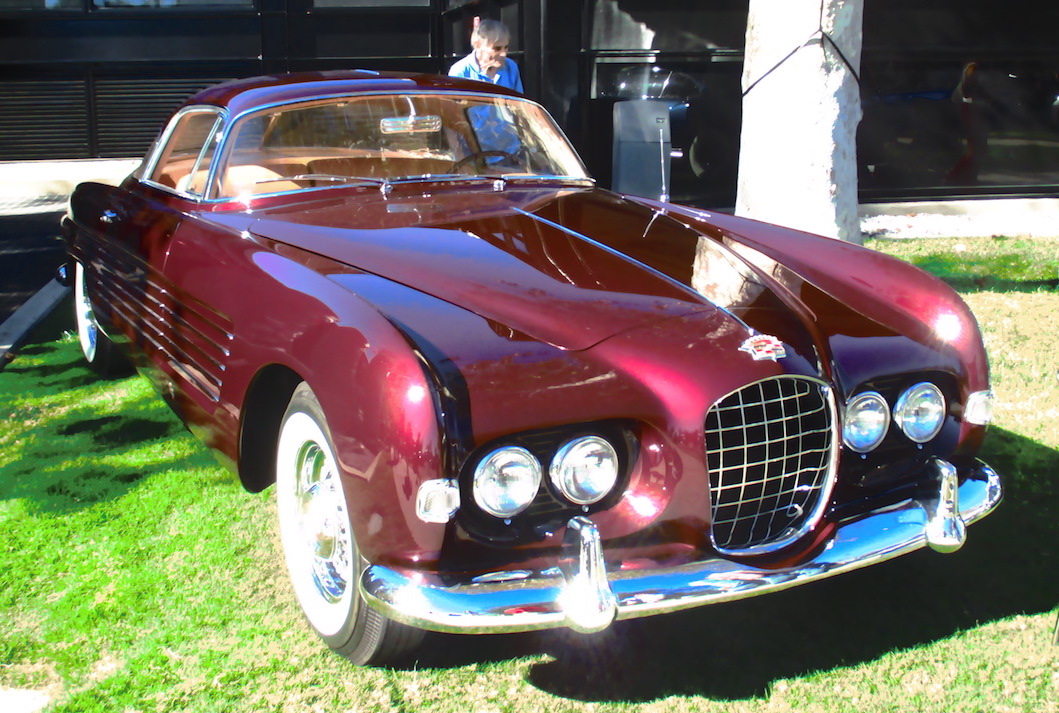
Rita Hayworth Ghia Cadillac
Ghia was equally comfortable creating refined European designs and flamboyant American dream cars.
Touring Superleggera
Touring’s patented Superleggera (super light) construction used a network of thin steel tubes draped in aluminum panels—a method that created both strength and elegance. The result was cars that looked effortless, as if shaped by air.
The early Aston Martin DB4 and the Maserati 3500 GT are cars that combine proportion, restraint, and timeless beauty — examples of why its designs endure.
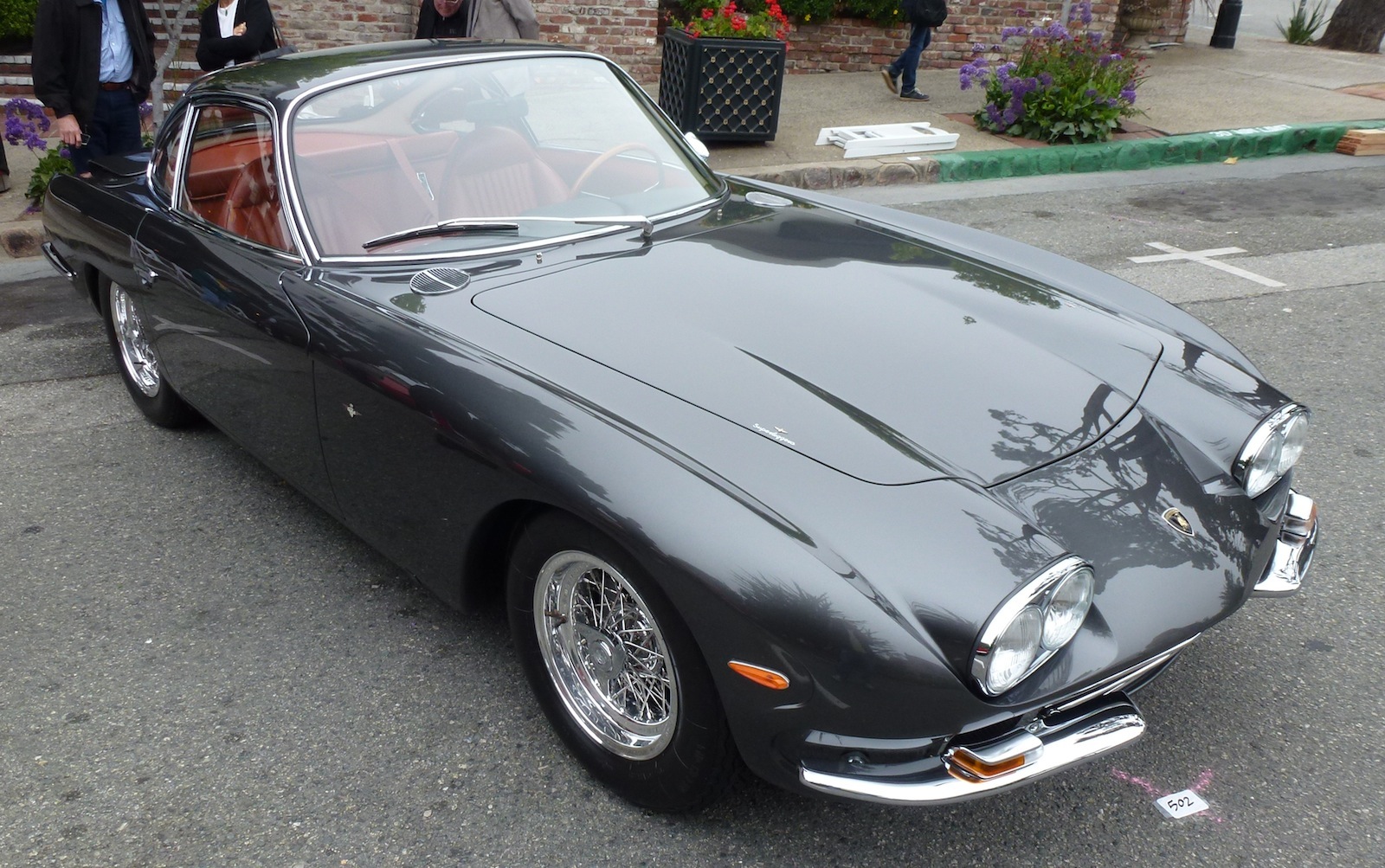
Lamborghini 350GT by Touring Superleggera
Carrozzeria Vignale
Carrozzeria Vignale represents individuality. Where other firms moved toward standardization, Vignale embraced variation. Even cars built on the same chassis could emerge with significant differences. Working closely with designers like Giovanni Michelotti, Vignale produced styles for Ferrari, Maserati, Lancia, and Fiat that often felt like one-off commissions.
The Ferrari 212 Inter by Vignale is a statement of taste, a snapshot of a moment when a client’s personality could shape the final design.
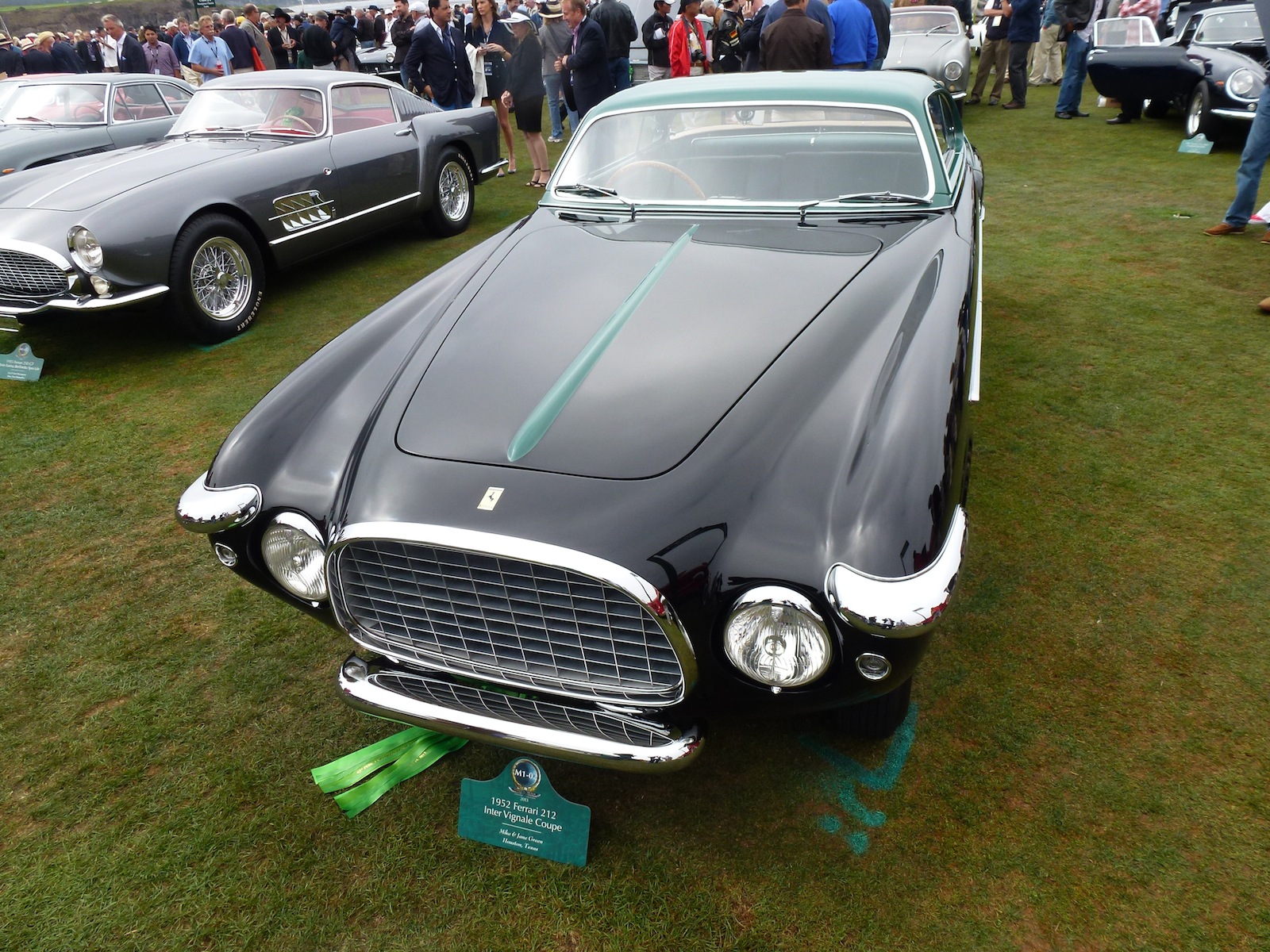
Ferrari 212 Inter Vignale Coupe
Carrozzeria Frua
Pietro Frua’s designs had a distinctive clarity—clean lines, balanced proportions, and just enough ornamentation to catch the light. His work on cars like the Maserati Mistral and various bespoke coupes elevated already fine machines into something more sculptural.
Frua never achieved the commercial scale of his contemporaries, but that scarcity has become part of the appeal. His cars feel personal, almost secretive—as though they belong only to those who know where to look. The AC 428 Frua is an excellent example or his work.
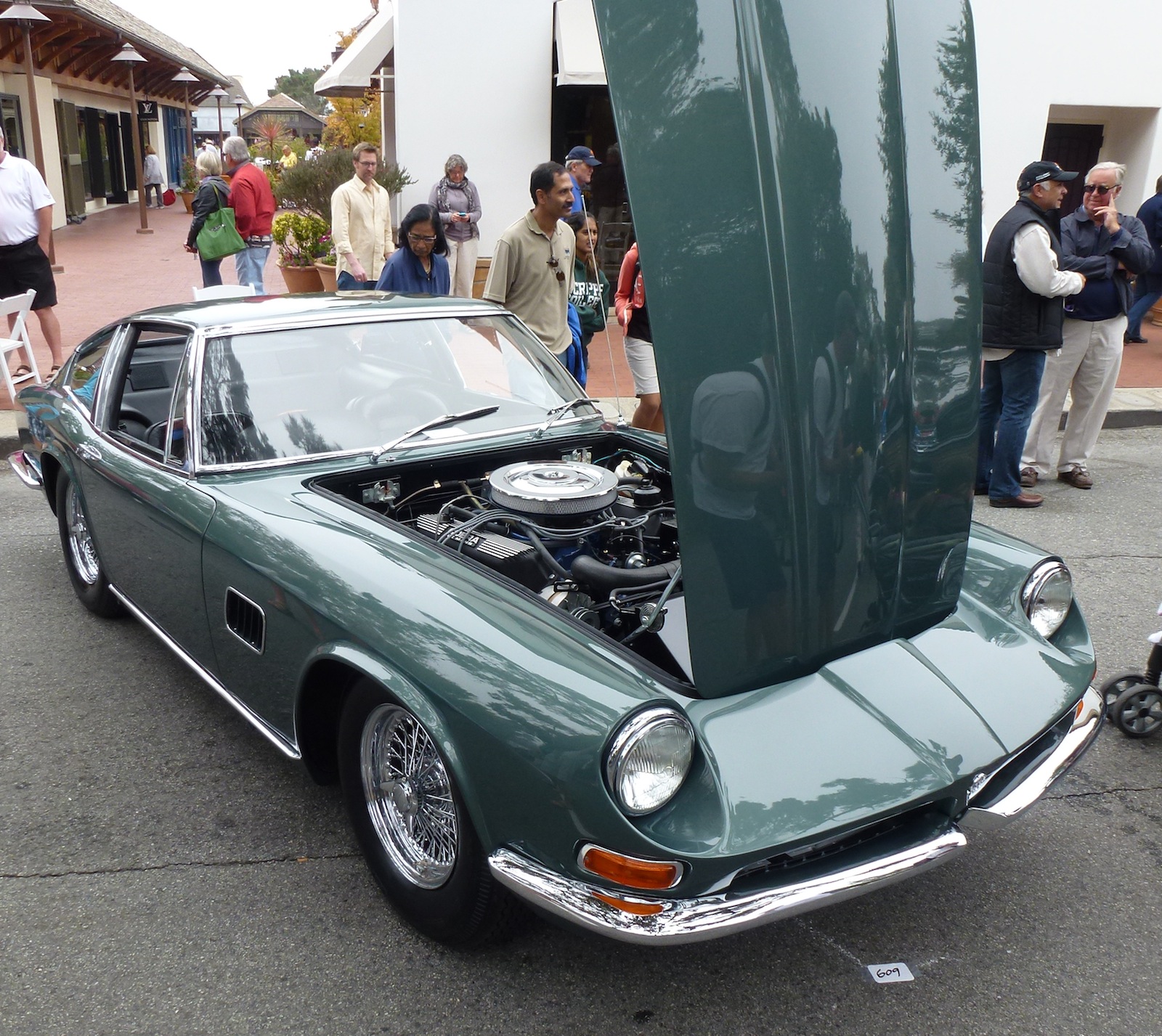
AC 428 Frua
Why They Still Matter
The renewed interest in coachbuilt cars is not an accident. In an age of digital design, wind tunnel optimization, and super car shapes, these hand-formed bodies represent something irreplaceable: human judgment and artistic skill.
Collectors recognize that rarity alone is not enough. Story, craftsmanship, and artistic identity matter just as much—and maybe more.
Ghia, Touring, Vignale, and Frua all offer something historic and very special.
The Enduring Appeal of the Handmade Car
There is a quiet magic in a coachbuilt car. The slight asymmetry of a hand-shaped panel. The way light plays across a surface that was guided—not stamped—into existence. The knowledge that somewhere, decades ago, a craftsman paused, stepped back, and decided: this line is just right.
These cars are a collaboration—between engineer and artist, client and creator, machine and hand.
And in rediscovering these forgotten coachbuilders, we are not just revisiting history—we are reconnecting with the soul of the automobile.
Let us know what you think in the Comments.
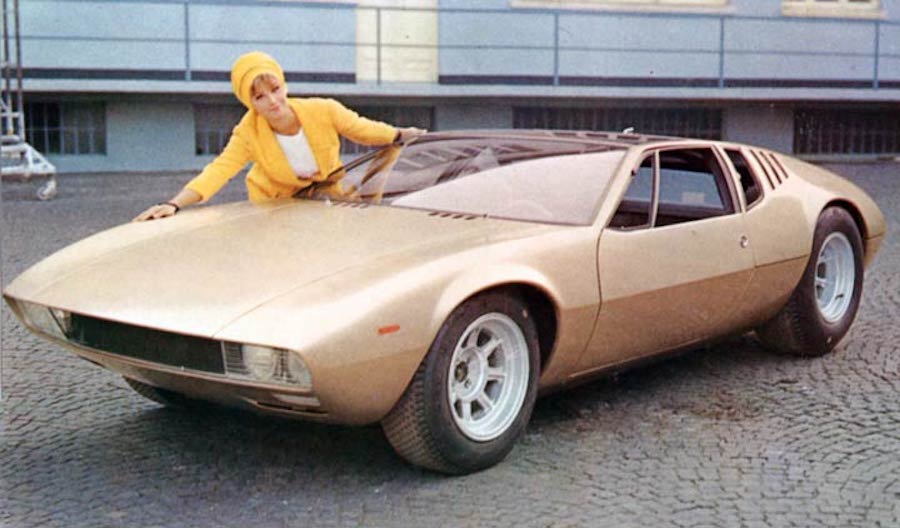
De Tomaso Mangusta Prototype by Ghia
Research and some text by ChatGPT 5.2


Mike,
All four are just as important as Zagato and Pininfarina but, as a fan of mid 50s-60s racing Ferraris, so was Carrozzeria Scaglietta.
Choice of Enzo’s for his racing effort, this Carrozzeria had a hand in designing the 250 series and, along with Bizzarrini, helped with the GTO.
Sexy designer.
Boano?
Uh, oh, Mike… You might have opened a can of worms on this topic…
Stephen – Scaglietta did his designs by eye from what I read. Ferrari named a model after him a few years ago.
Dan R – a can of worms is OK.
No one has mentioned Bertone.
Mike,
There were also classic American coachworks that supplied bodies for Packards, Duesenbergs, Lincolns, Cadillacs, and even the large Chryslers:
“American coachbuilders played a vital role in the classic luxury car era (1920s–1930s), creating custom bodies for prestigious chassis from Rolls-Royce, Packard, Duesenberg, and Cadillac. Leading firms included Brewster & Co., LeBaron, Derham Body Co., Willoughby, and Holbrook, which transformed factory chassis into unique, high-end works of art.Brewster & Company: Often regarded as the premier American coachbuilder, they operated for over 200 years. They were the primary body supplier for Rolls-Royce in the U.S. and later produced their own custom bodies on Ford and Buick chassis.LeBaron Incorporated: Founded in 1920, they designed custom bodies and were later purchased by Briggs Manufacturing. They supplied bodies to luxury brands such as Chrysler (Imperial line), Duesenberg, Packard, and Cadillac.Derham Body Co.: Based in Rosemont, Pennsylvania, they were renowned for their custom convertible tops and town car bodies. They worked extensively with Cadillac and Packard, famously creating custom luxury cars well into the 1950s.The Willoughby Company: Located in Utica, New York, they specialized in chauffeur-driven town cars, landaulets, and limousines, building custom bodies for Rolls-Royce, Lincoln, and Packard.Holbrook Company: Based in Hudson, New York, they were known for high-quality closed bodies for Cadillac, Lincoln, Packard, and specialized in Town Cars for the Rolls-Royce Custom Coach Work program.Walter M. Murphy Company: A dominant West Coast coachbuilder known for their elegant, airy designs, particularly for Duesenberg and Cord.Waterhouse Company: Specialized in convertible styles, primarily on Packard and Chrysler chassis.These firms operated at the peak of the custom body era, often allowing owners to customize every detail of the car’s interior and exterior.”
These are examples of the American “forgotten” coachworks.
Glenn in Brooklyn, NY.
Of course I’m biased because of its ties with Iso and Bizzarrini but for sure Carrozzeria Sports Cars with Piero Drogo at the helm and partners Marchesini & Cavalieri can not be left out in this list.