From the earliest days of motoring, cars have represented more than a means of transportation. They have served as symbols of status, expressions of personality and reflections of cultural identity. While today’s enthusiasts may personalise vehicles through software settings, aftermarket modifications or aesthetic upgrades, the desire to create something unique is far from a modern phenomenon.
In many ways, vehicle customisation is as old as the automobile itself.
The methods have evolved dramatically over the past century, but the motivation remains remarkably consistent. Drivers have always sought ways to make their vehicles stand apart from the crowd, whether through craftsmanship, engineering or personal style.
The Era of Coachbuilding
In the early decades of the automotive industry, personalisation was often reserved for the wealthy.
Luxury manufacturers frequently sold rolling chassis rather than complete vehicles. Customers would purchase the mechanical platform and then commission specialist coachbuilders to create bespoke bodywork according to their preferences.
This process transformed cars into highly individual creations. Body styles, seating arrangements, interior materials and exterior details could all be tailored to the owner’s specifications.
Coachbuilding represented the ultimate form of automotive personal expression. No two vehicles were necessarily identical, and exclusivity was a defining characteristic of luxury motoring.
Many of the most celebrated classic cars in automotive history emerged from this era, when craftsmanship and individuality were closely intertwined.
Mass Production Changes the Landscape
The growth of mass production fundamentally altered how vehicles were manufactured and purchased.
As companies sought greater efficiency and affordability, standardised production methods became increasingly common. Vehicles became more accessible to the public, but opportunities for extensive factory-level customisation diminished.
This shift did not eliminate personal expression. Instead, it changed where and how it occurred.
Owners began modifying vehicles after purchase rather than commissioning entirely bespoke designs. Accessories, paint schemes and mechanical upgrades became popular ways to personalise mass-produced cars.
The culture of modification was born from a simple reality: even when vehicles left the factory looking identical, owners still wanted them to reflect their individual tastes.
The Rise of Enthusiast Culture
Following the Second World War, automotive enthusiasm expanded rapidly across many parts of the world.
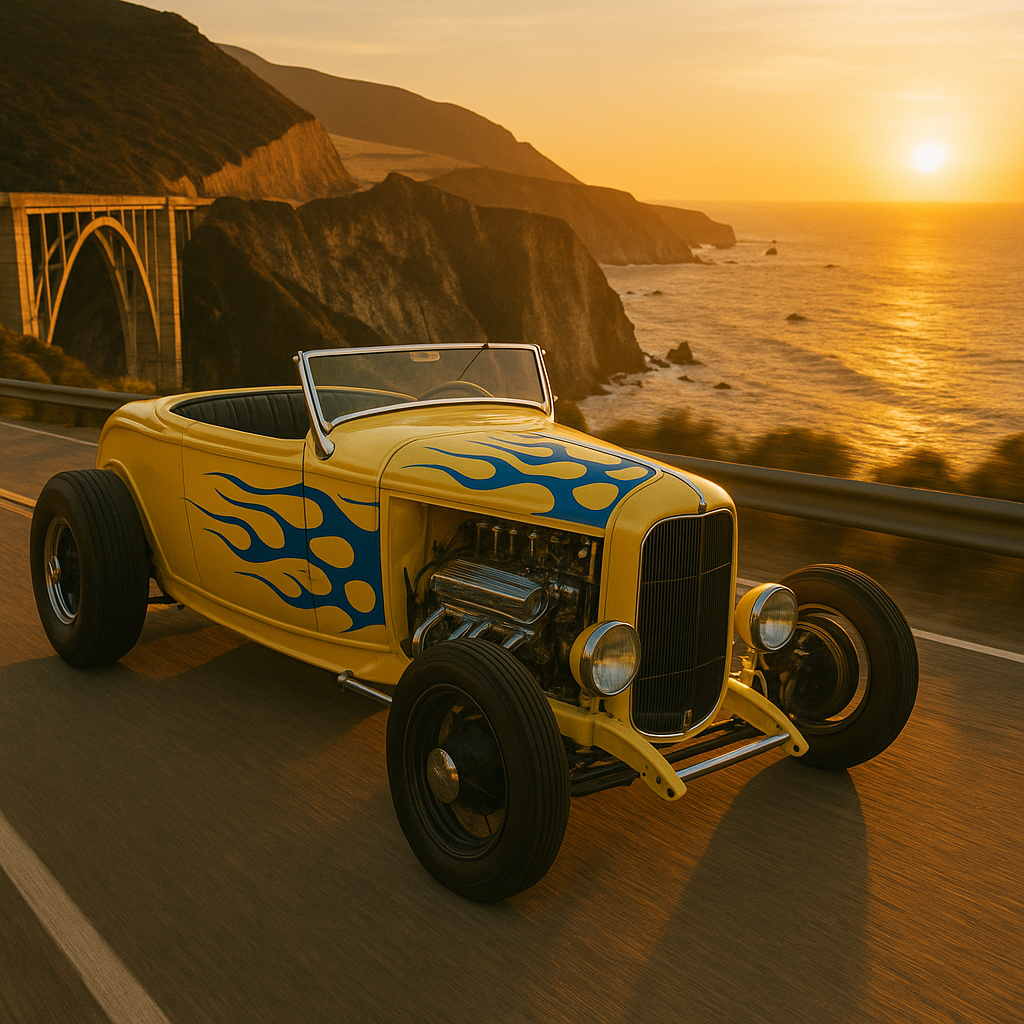
Hot rod culture in the United States, tuning communities in Europe and motorsport-inspired modifications elsewhere all contributed to a growing aftermarket industry. Enthusiasts increasingly viewed vehicles as creative projects rather than finished products.
Performance upgrades became particularly popular. Engine modifications, suspension enhancements and aerodynamic additions allowed owners to improve both appearance and capability.
At the same time, visual customisation developed its own identity. Paintwork, wheels, body kits and interior alterations enabled drivers to create vehicles that reflected personal preferences and cultural influences.
These developments transformed customisation from an activity associated primarily with luxury buyers into a widespread aspect of automotive culture.
Identity Becomes Central to Ownership
As car ownership became increasingly common, individuality became a more important consideration.
When millions of similar vehicles occupy the roads, owners often seek subtle ways to differentiate their cars from others. This desire is driven by more than aesthetics. Vehicles frequently become extensions of personal identity, communicating values, interests and lifestyle choices.
Research into consumer behaviour consistently suggests that people form emotional connections with their vehicles. Customisation often strengthens those connections by creating a sense of ownership that extends beyond simple possession.
Whether through performance enhancements, visual modifications or personalised details, enthusiasts frequently use their vehicles to express aspects of their personality.
The Digital Age of Personalisation
Technology has introduced entirely new forms of customisation.
Modern vehicles increasingly allow drivers to personalise digital displays, driving modes, ambient lighting and infotainment systems. Software now enables levels of personalisation that would have been unimaginable just a few decades ago.
Some vehicles can store multiple driver profiles, automatically adjusting settings based on individual preferences. Others allow owners to configure performance characteristics, display layouts and vehicle responses through digital interfaces.
The concept of personalisation has expanded beyond physical modifications to include software-driven experiences tailored to individual users.
This evolution reflects broader trends across technology and consumer products, where personalisation has become an expected feature rather than a luxury.
Social Media and the Modern Enthusiast
The rise of social media has further transformed automotive personalisation.
Enthusiasts can now share projects with global audiences, drawing inspiration from trends and communities that extend far beyond their local areas. Platforms dedicated to automotive content have accelerated the spread of ideas, styles and modification trends.
As a result, customisation has become more visible than ever before.
At the same time, individuality remains a central goal. Even within highly connected online communities, enthusiasts continue searching for unique ways to make their vehicles stand out.
This has contributed to growing interest in both major modifications and smaller personalised details. Businesses such as Plates Express form part of this wider ecosystem, serving motorists who view personalisation as an important aspect of vehicle ownership and identity.
The Future of Automotive Expression
Looking ahead, automotive personalisation is likely to become increasingly sophisticated.
Electric vehicles, connected technologies and software-defined platforms will create new opportunities for owners to customise how their vehicles look, feel and behave. Digital upgrades may eventually become as significant as traditional mechanical modifications.
At the same time, many longstanding aspects of enthusiast culture are likely to endure. Visual styling, craftsmanship and creative expression remain deeply embedded within automotive communities.
Technology may change the tools available to enthusiasts, but it is unlikely to change the underlying desire for individuality.
Conclusion
The history of automotive personal expression stretches back to the earliest days of motoring. From bespoke coachbuilt luxury cars to modern software-driven customisation, vehicle owners have consistently sought ways to make their cars uniquely their own.
While the methods have evolved alongside technology and manufacturing practices, the motivation remains remarkably familiar. Cars continue to serve as reflections of personality, lifestyle and identity.
The evolution of customisation is ultimately a reflection of the enduring relationship between people and their vehicles—a relationship built not only on transportation, but also on self-expression, creativity and individuality.


Speak Your Mind