by Mike Gulett –
Few American car companies can claim such longevity, innovation, and cultural impact as Studebaker. Studebaker was never just an automaker; it was a reflection of American ingenuity, ambition, and, ultimately, the harsh realities of the consolidating auto industry.
I have never owned a Studebaker but the Avanti did temp me at times. I love the style, performance and history.
Before Cars
Studebaker began in 1852, when brothers Henry and Clement Studebaker founded a blacksmith and wagon-building business in South Bend, Indiana. Before the automobile, Studebaker wagons earned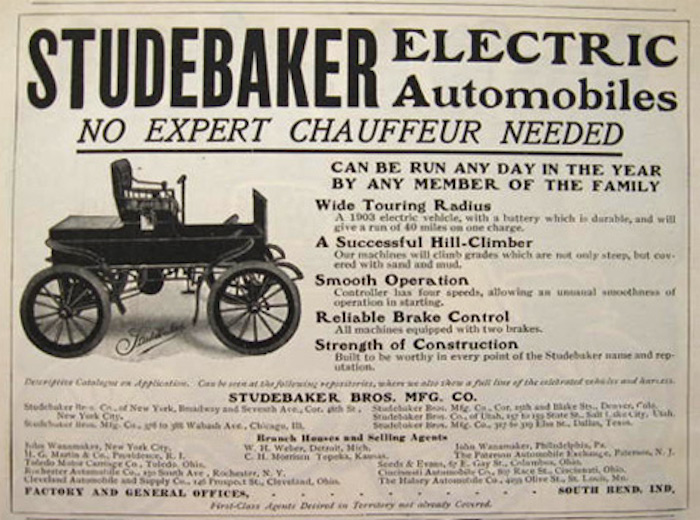 a reputation for quality. They customers were farmers, pioneers heading west, and even the U.S. military during the Civil War.
By the turn of the 20th century, Studebaker was one of the most respected transportation manufacturers in America. This experience was valuable in the auto industry, which was lacking in many of their competitors.
The Automobile Age
Studebaker entered the automobile business cautiously, first producing electric cars in 1902, followed by gasoline-powered vehicles in 1904. They transitioned smoothly from wagons to cars, formally abandoning wagon production in the 1910s.
By the 1920s, Studebaker was a major force in the U.S. auto market. Its cars were known for:
-
Solid engineering
-
Conservative but handsome styling
-
Broad appeal across different price segments
Models like the Studebaker President and Commander helped position the company as a credible alternative to Ford, General Motors, and Chrysler.
Design Leadership
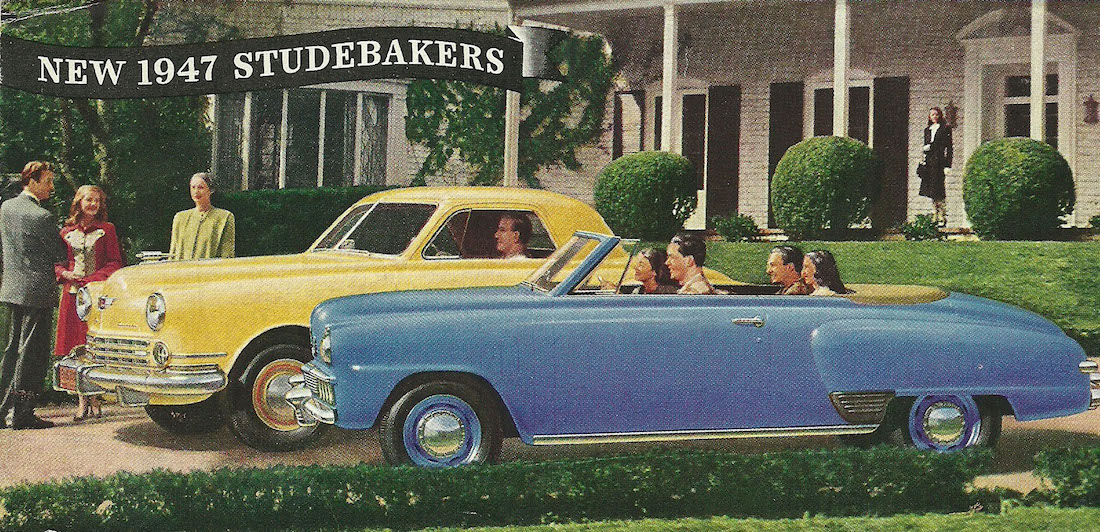
Studebaker’s greatest legacy may lie in design. During the late 1940s and early 1950s, under talented styling chief Raymond Loewy, Studebaker consistently produced some of the most stylish cars in America.
Highlights include:
-
1947 Studebaker Starlight Coupe – revolutionary wraparound rear window
-
1953–54 Starliner and Starlight – low, sleek coupes admired even today
-
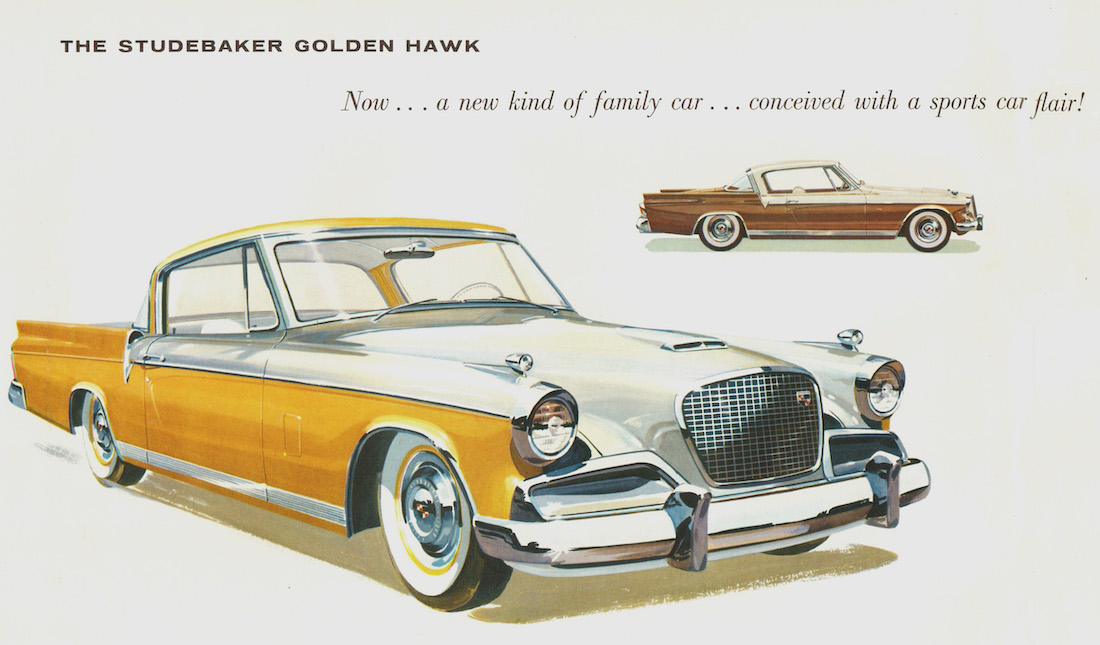
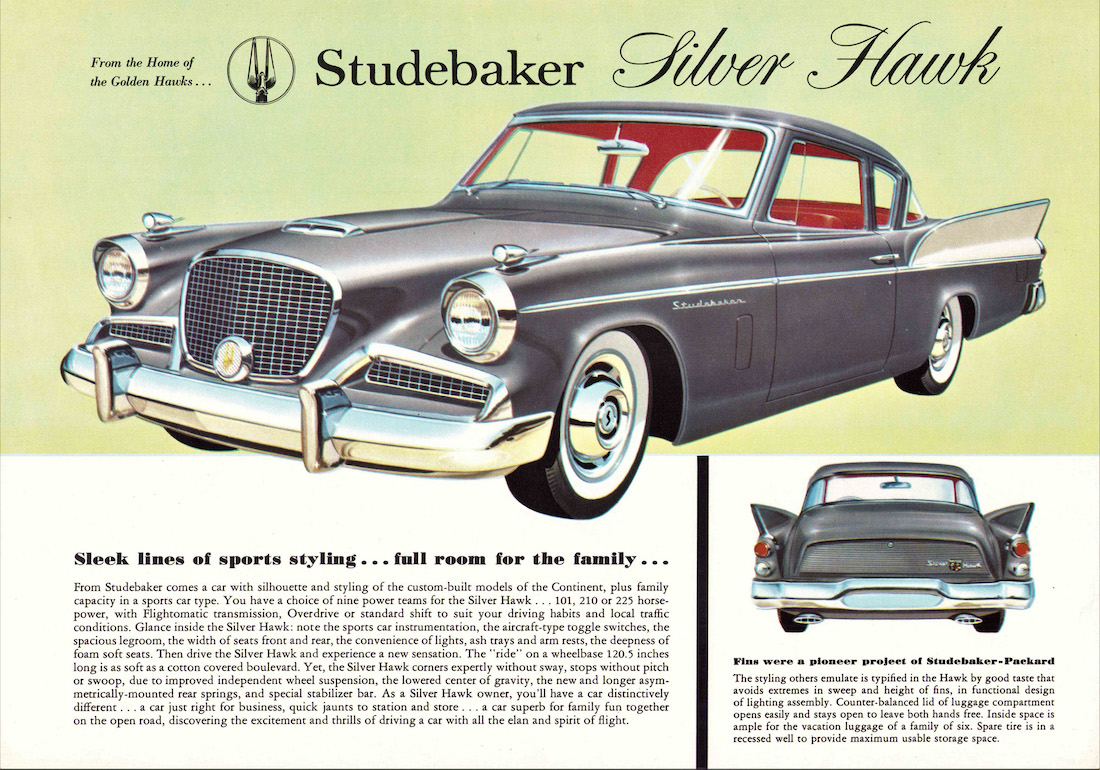
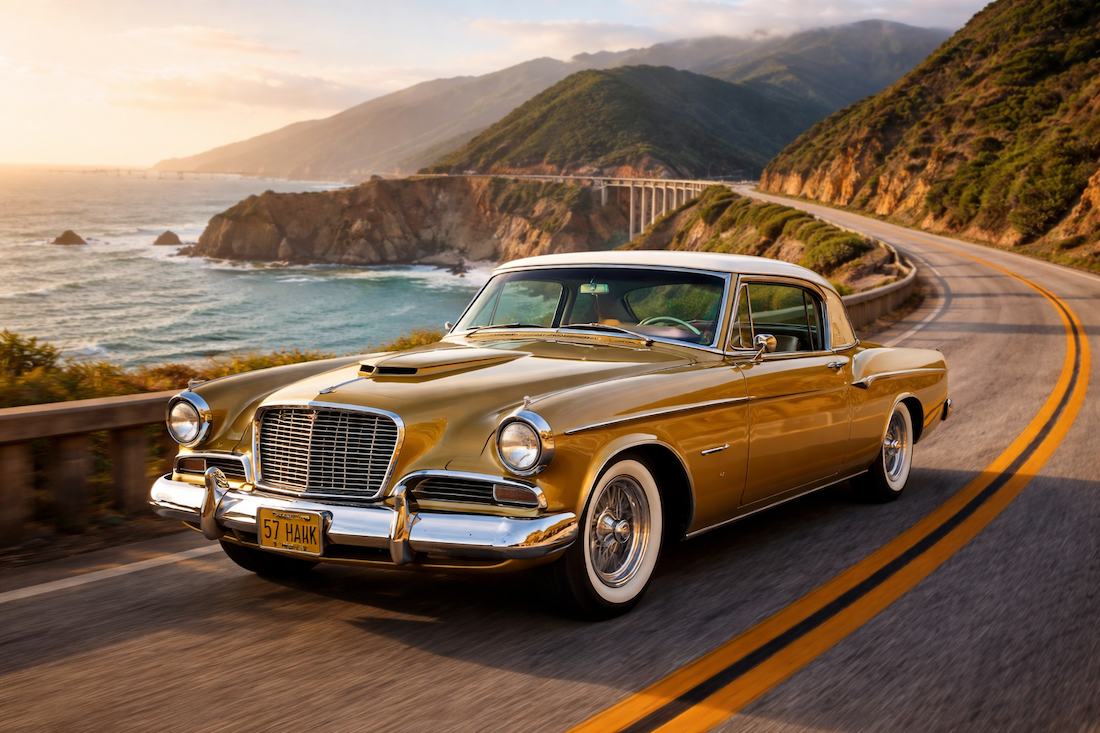
Studebaker Hawk series – elegant grand touring coupes
-
1963 Studebaker Avanti – radical, fiberglass-bodied performance car that looked years ahead of its time
The Avanti, in particular, symbolized Studebaker’s daring spirit: disc brakes, a supercharged engine option, and futuristic styling.
Why Studebaker Mattered
1. Independent Innovation
As one of the last major independent automakers, Studebaker proved that creativity didn’t require corporate bloat. It often out-designed much larger rivals.
2. Design-Driven Identity
Studebaker embraced modern industrial design earlier and more fully than most American manufacturers, influencing the entire industry’s postwar styling direction.
3. Cultural Symbol
Studebaker represented the idea that a smaller, regional American company could compete nationally against giant competitors.
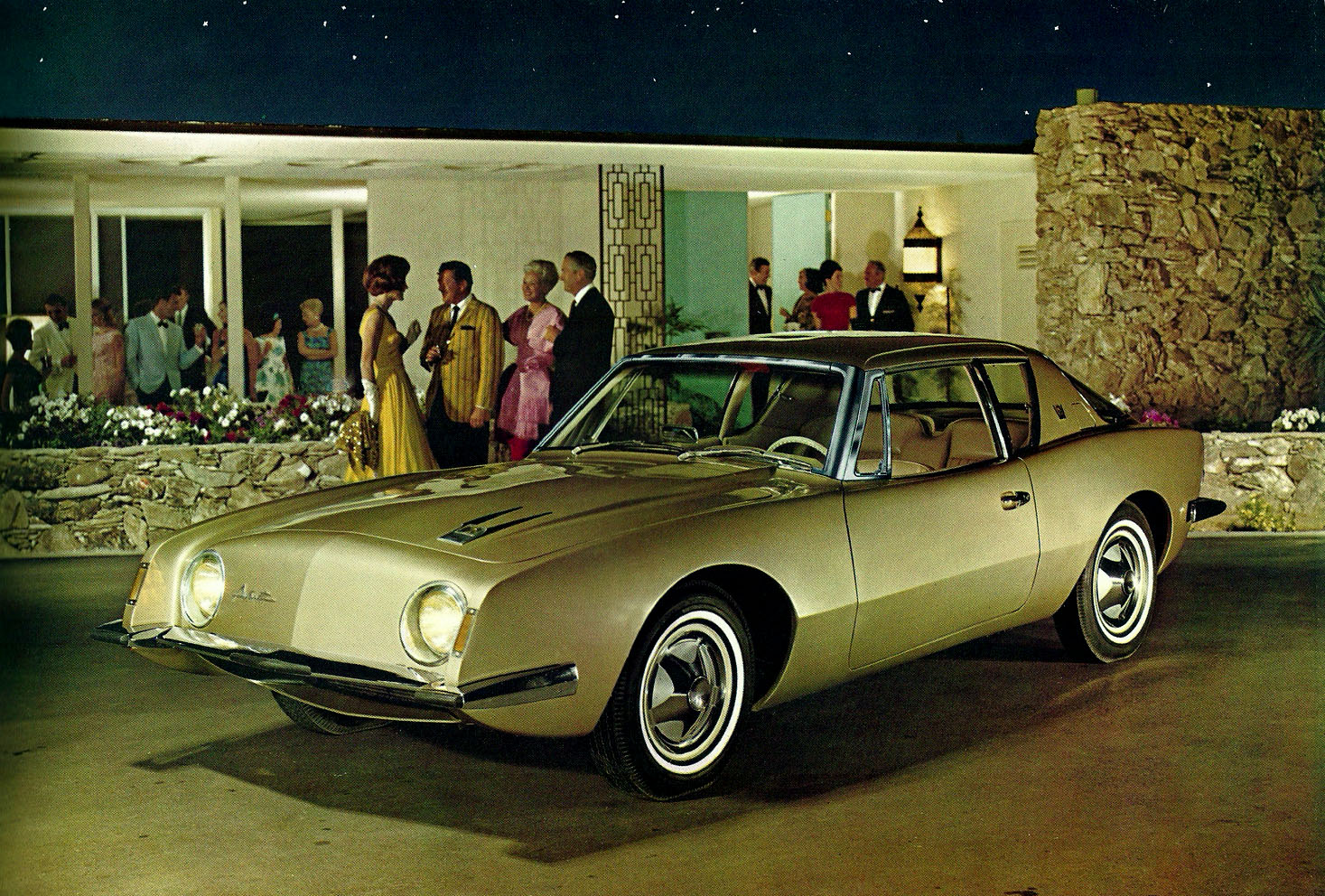
Studebaker Avanti
The Slow Decline
Despite its creativity, Studebaker was structurally vulnerable.
Key problems included:
-
Limited capital compared to the Big Three
-
Higher per-unit costs due to lower production volumes
-
An aging South Bend factory that was expensive to modernize
-
Low profit margins, even on successful models
The postwar auto industry increasingly favored scale, shared platforms, and massive marketing budgets. Studebaker struggled to keep up.
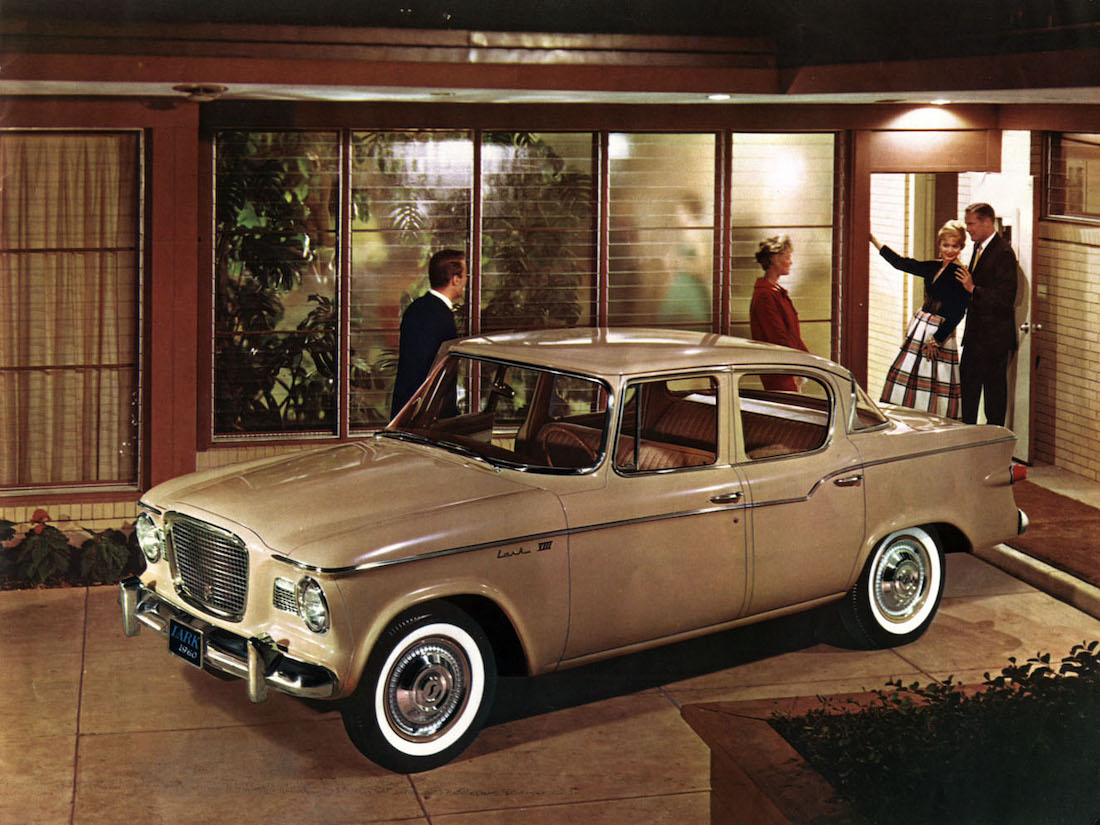
Studebaker Lark
A merger with Packard in 1954 failed to solve these issues and arguably made things worse. By the early 1960s, Studebaker was fighting for survival, relying on clever cost-cutting cars like the Studebaker Lark to stay afloat.
The End of the Road
In 1963, Studebaker shuttered its South Bend operations. Limited production continued in Hamilton, Ontario, Canada, but the end was inevitable. In March 1966, the last Studebaker was made.
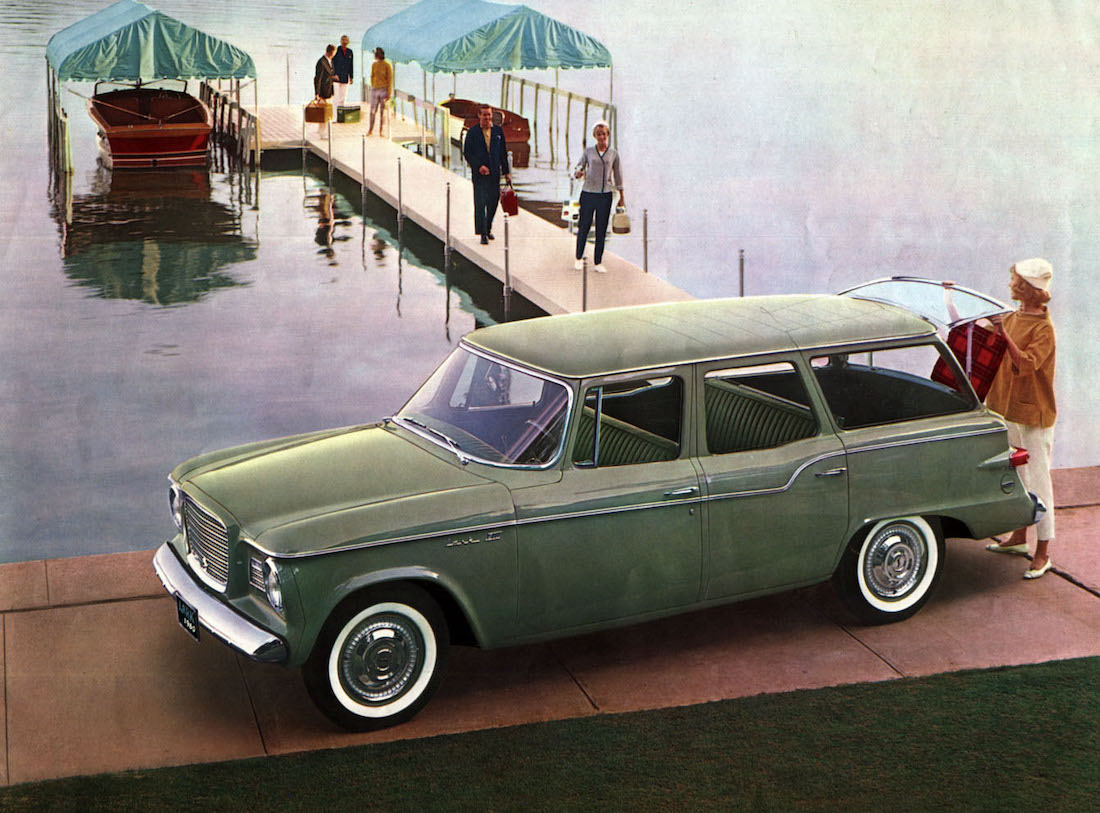
Studebaker Lark Stationwagon
After 114 years in business—longer than Ford, GM, or Chrysler at the time—Studebaker was done.
Legacy
Studebaker’s demise was not due to lack of imagination or talent.
Today, Studebaker is remembered for:
-
Fearless, forward-thinking design
-
A deep, pre-automotive industrial heritage
-
Being one of the last true independent car companies to challenge Detroit
Today Studebakers are admired not just for what they were—but for what they represented: an America where innovation came from the underdog, and where style and substance didn’t need corporate consensus.
Studebaker is gone, but the Studebaker spirit, style and beauty still turns heads.
I know that I miss what Studebaker could have contributed to the car world since 1963 and I suspect some of you do too.
Let us know what you think in the Comments.

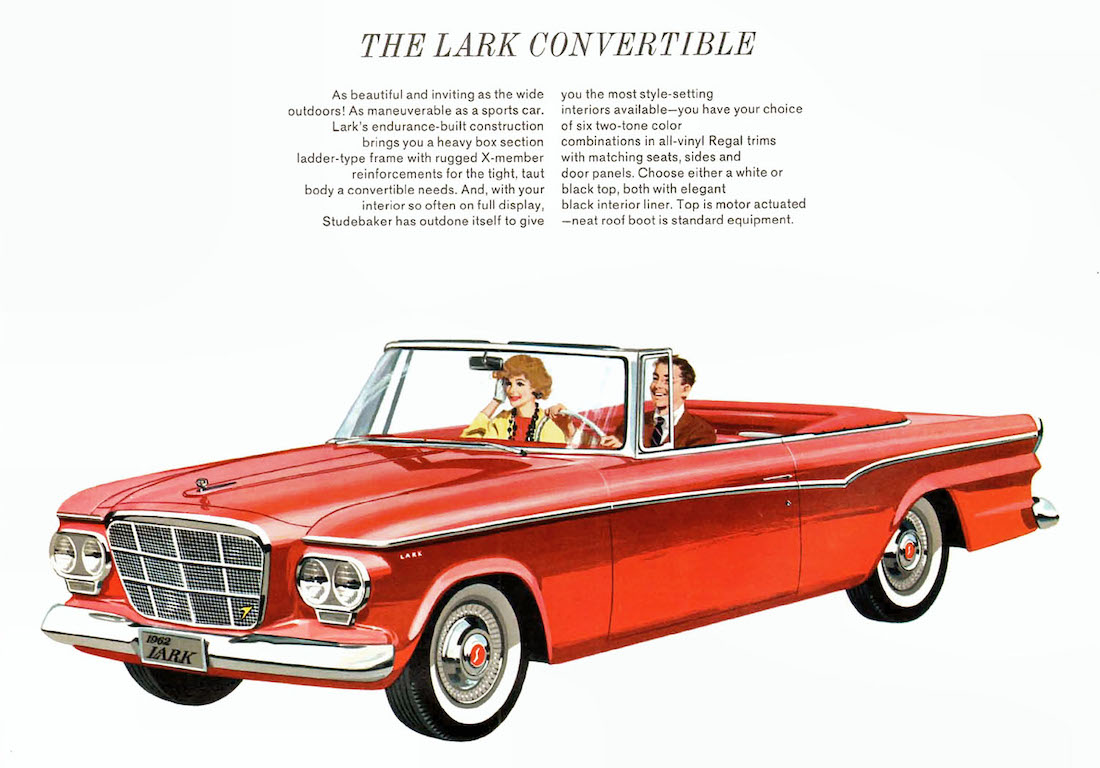
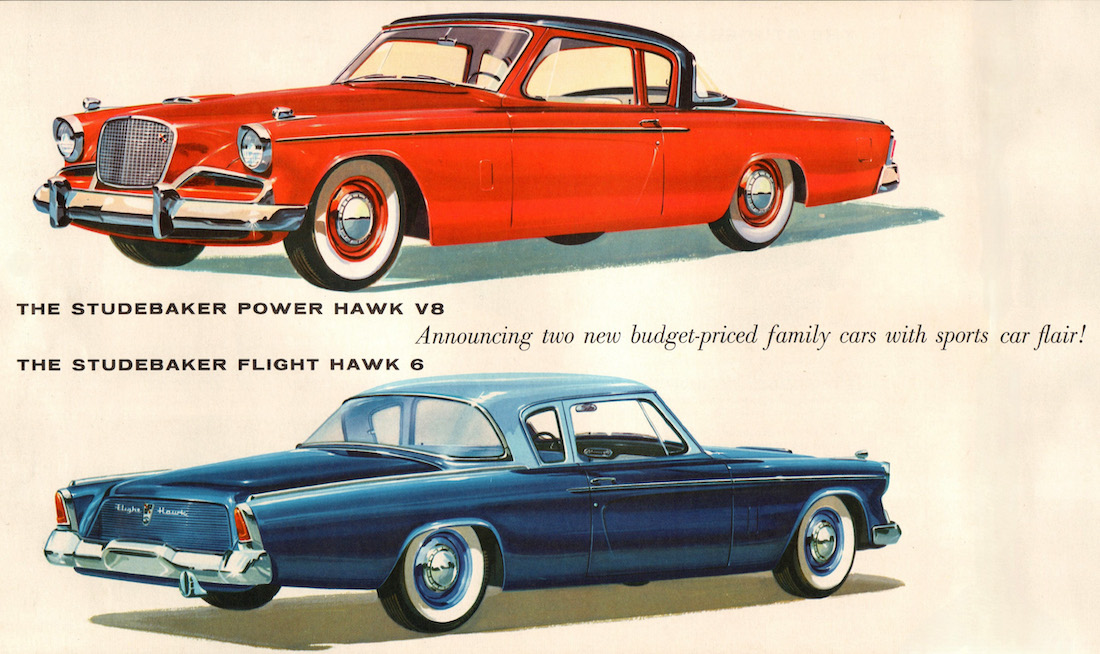
Studebaker Hawk
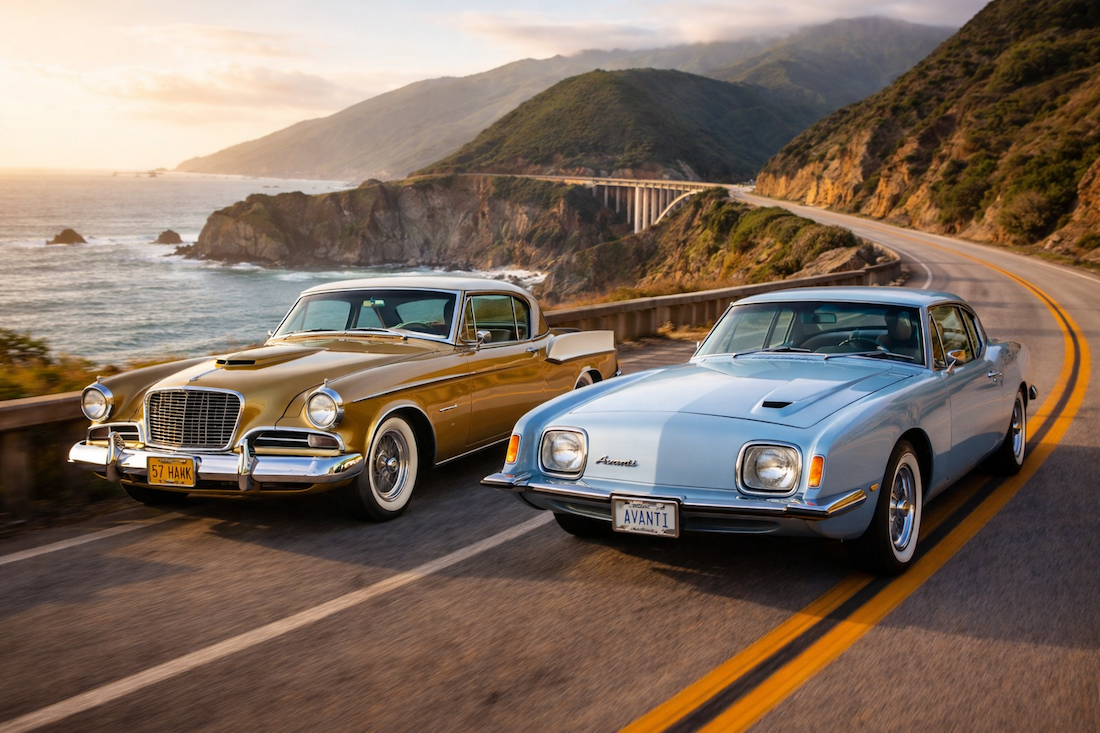
Studebaker Golden Hawk and Avanti
Research, some text and some images by ChatGPT 5.2.


Family owned ’51 Commander, several pickup trucks, wagoneer (sliding roof), ’53 Starlite Coupe. Happy Days
Beautiful photo.
Perhaps if Studebaker had made fewer types of cars, they would have had more profitable years, by having a lower breakevenn point. The ‘big three’ were able to cut prices and survive, which they did.