by Mike Gulett –
Concept cars are the automotive world’s purest form of optimism. They are usually created without compromise—no cost targets, no regulatory handcuffs, no focus groups asking for practical stuff. For a brief moment under bright show lights, they reveal what designers and engineers really wanted.
Most never reach production. Some are too expensive, or too radical, maybe too complex, or simply arrive before the market is ready. Years later, their ideas may quietly reappear on production cars, softened, cost reduced and domesticated.
These are some of the concept cars that I think deserved to live (at least some of the ideas they delivered)—not because they were practical, but because they showed us where the automobile was going, or could go. There are others too but these came to my mind first.
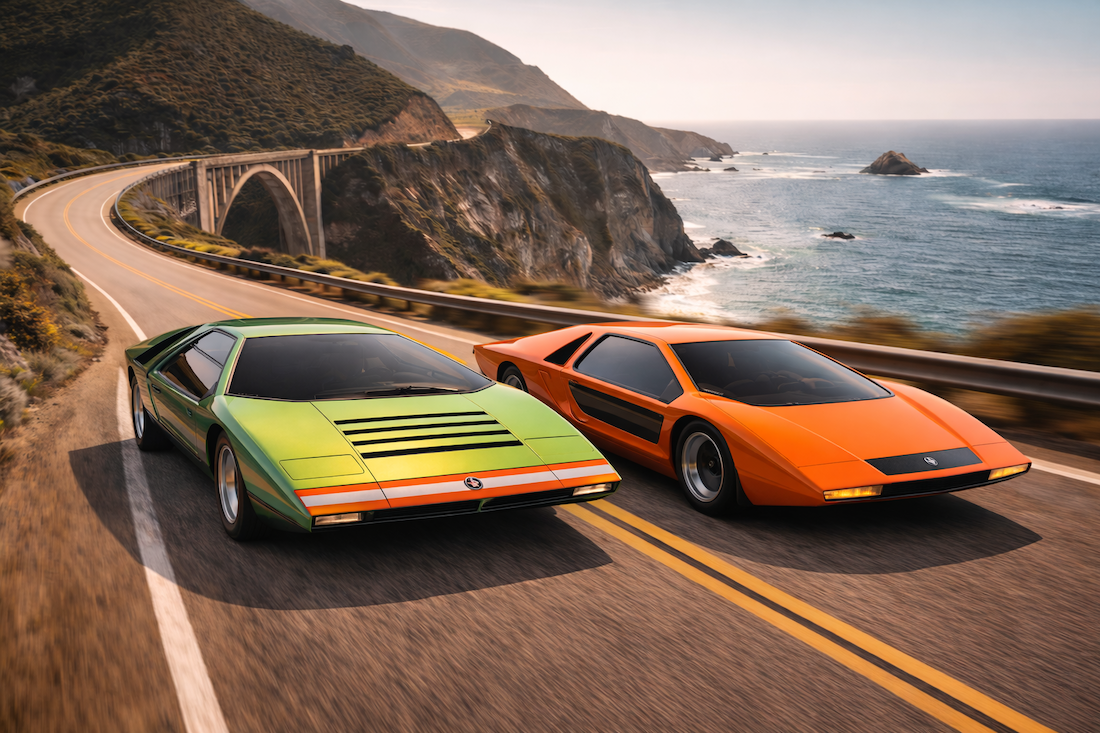
Alfa Romeo Carabo — The Wedge
When the Carabo debuted in 1968, it looked like it came from another planet. Designed by Marcello Gandini at Bertone, its razor-sharp wedge profile, scissor doors, and geometric shape shattered the curvy language of the 1960s.
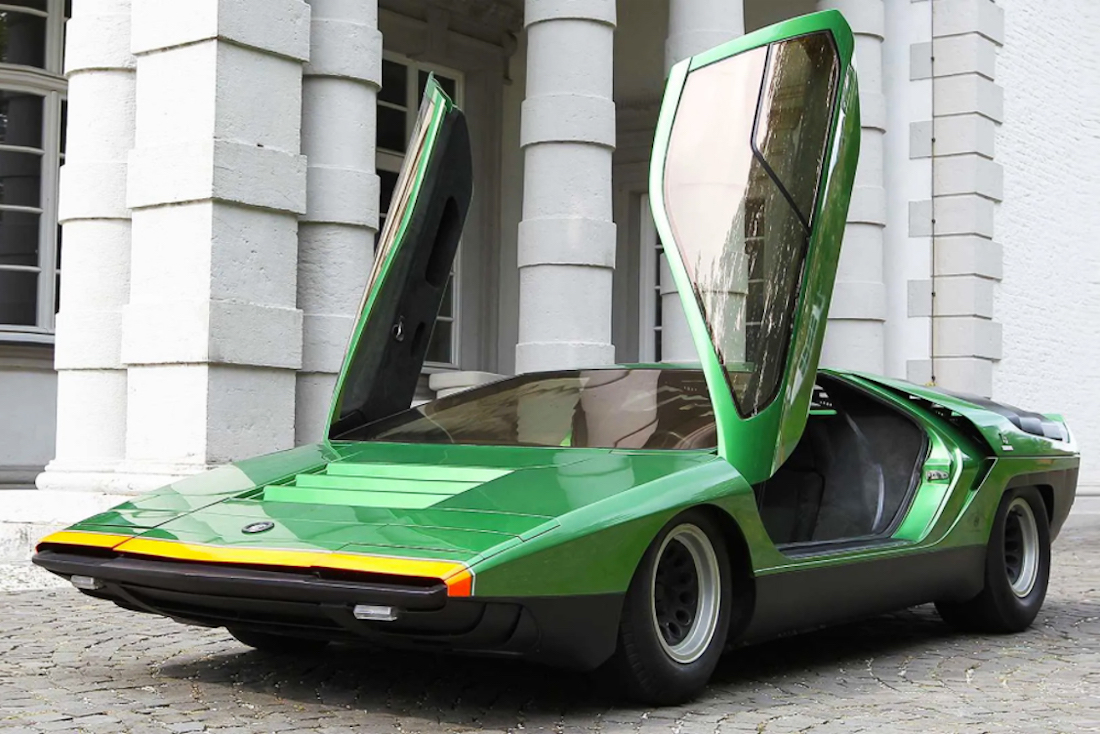
Alfa Romeo Carabo
At the time, it was dismissed as fancy fantasy. The shape was too extreme, visibility way too limited, and the design too radical for most buyers.
But the Carabo didn’t fail—it predicted. Within a decade, wedge-shaped sports cars dominated the exotic market. The Lamborghini Countach, Lotus Esprit, Triumph TR7 and countless others borrowed directly from its visual vocabulary.

Alfa Romeo Carabo
Why it didn’t live: Manufacturing complexity, limited practicality, and a market not yet ready for such an unusual design.
Why it mattered: It redefined what a supercar could look like.
Lancia Stratos Zero — Very Radical
If the Carabo was bold, the Stratos Zero (1970) was way more so. Only inches taller than a coffee table, with a windshield that doubled as the entry point, it reduced the car to pure geometry and attitude.
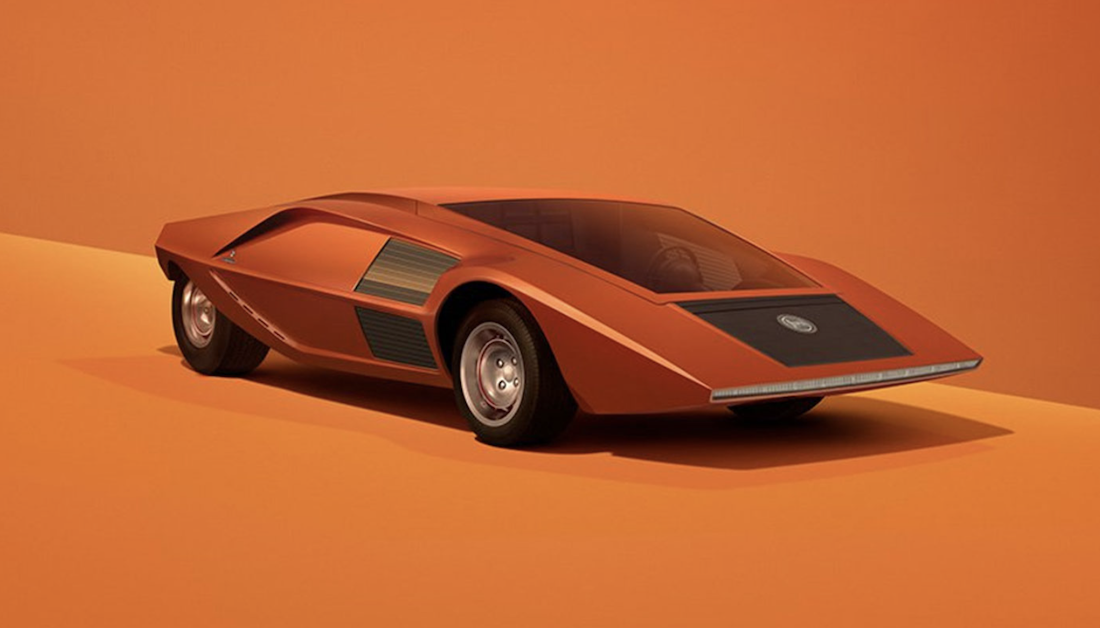
Lancia Stratos Zero
No one seriously expected it to reach production. It was too low, too impractical, too dangerous for everyday use.
And yet, the idea survived. The production Lancia Stratos that followed kept the extreme proportions, short wheelbase, and aggressive stance that made the Zero so shocking.
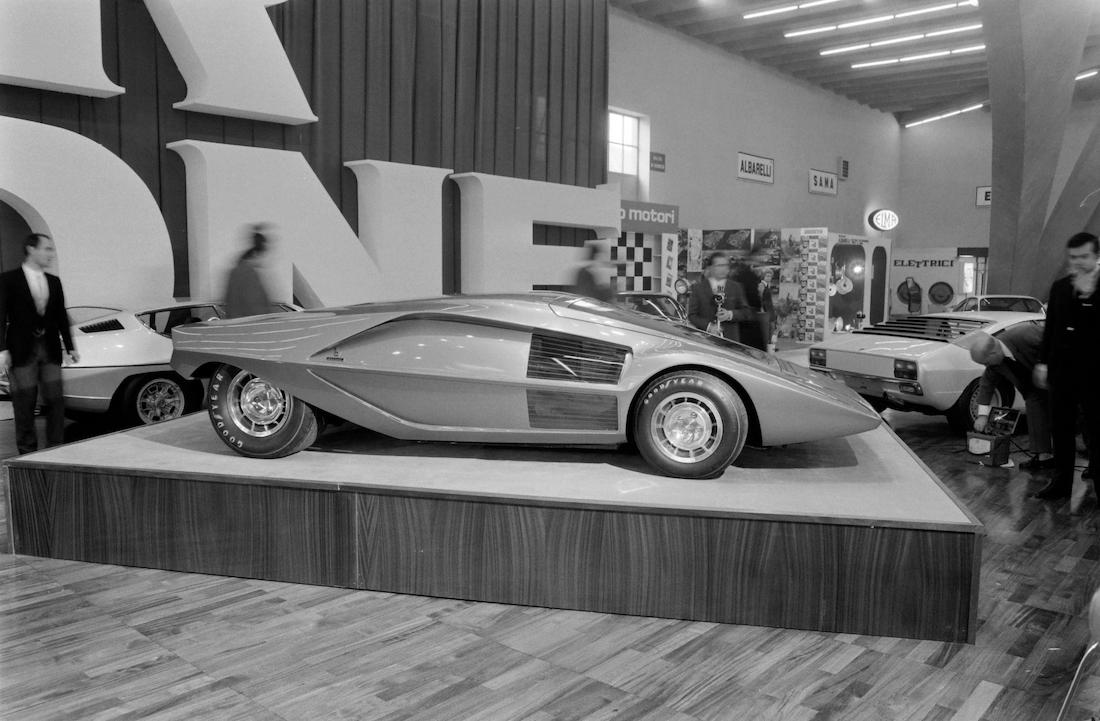
Lancia Stratos Zero
Why it didn’t live: Safety, usability, and basic ergonomics.
Why it mattered: It proved that race-bred design could define a road car’s identity.
General Motors Firebird III — Jet Age
In the 1950s, America believed the future would fly—or at least look like it could. The Firebird III (1958) embodied that dream with jet styling, a central joystick control, and experimental turbine power.
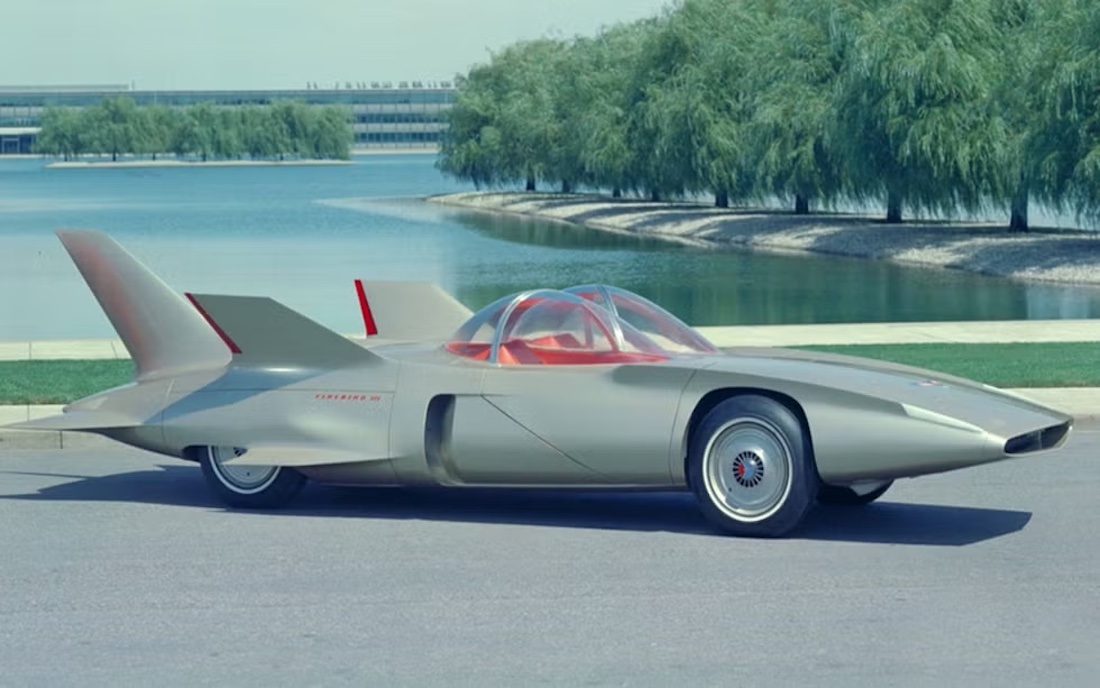
General Motors Firebird III
It promised automated driving guidance systems, electronic controls, and a vision of highways managed by technology.
The styling was too extreme, the technology too experimental, and the economics impossible. The jet-age dream faded as practicality returned to the industry.
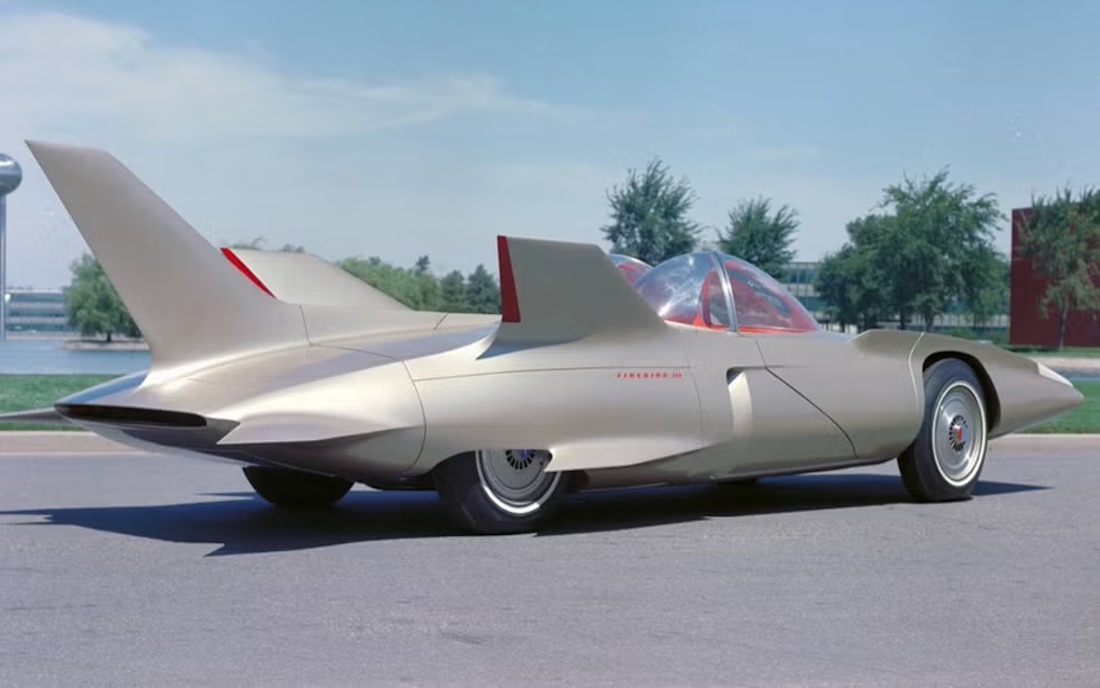
General Motors Firebird III
Why it didn’t live: Cost, complexity, and a future that proved more conservative than expected and hoped for.
Why it mattered: It foreshadowed electronic controls, driver assistance, and the technology-driven car interior decades before they came to reality.
Jaguar C-X75 — Too Advanced at the Time
Unveiled in 2010, the Jaguar C-X75 was a working vision of the future. A hybrid hypercar promising extreme performance with advanced electrification, it combined cutting-edge technology with extreme design.
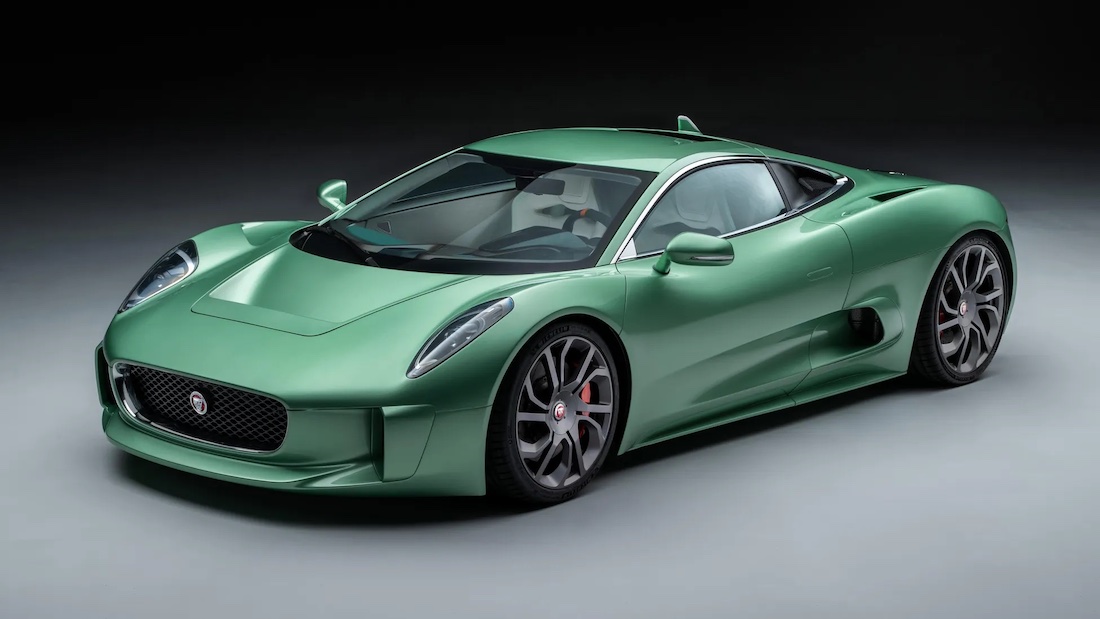
Jaguar C-X75
Reaction was overwhelmingly positive. Production was announced. Then the global economy intervened. Costs rose, priorities shifted, and Jaguar canceled the project.
Ironically, the world soon moved exactly where the C-X75 was pointing: hybrid hypercars from Ferrari, McLaren, Porsche and others.
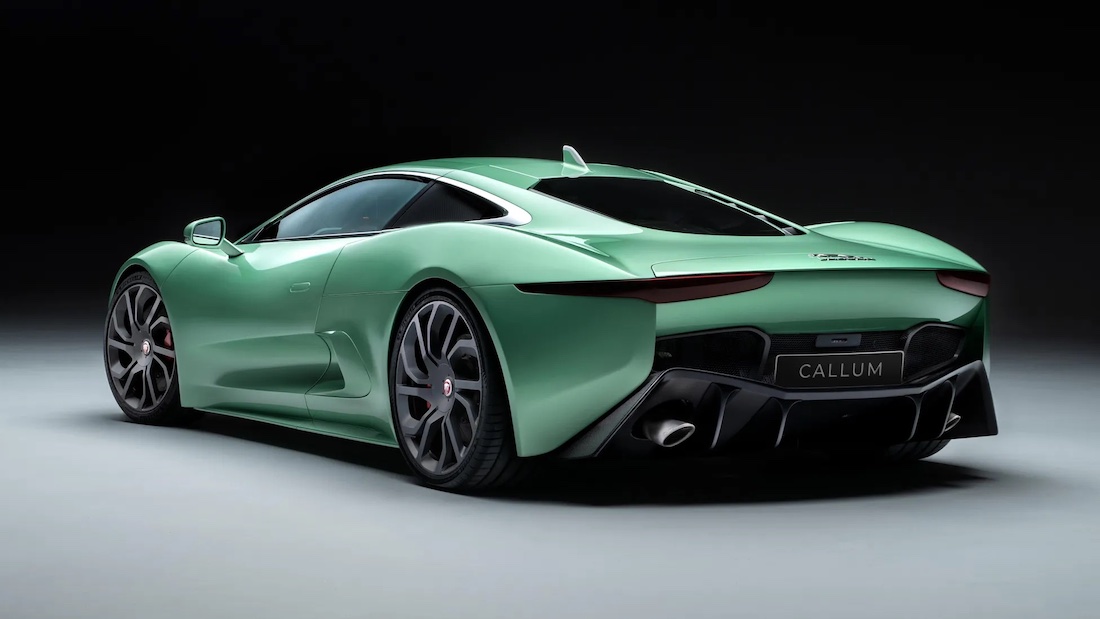
Jaguar C-X75
Why it didn’t live: Economic risk and development cost during uncertain times.
Why it mattered: It anticipated the hybrid hypercar era.
The Real Reason Concepts Don’t Survive
Concept cars rarely die because they are bad ideas. They die because timing, economics, and regulation can take priority over imagination and beauty.
The barriers are familiar:
-
Cost: Exotic materials and low-volume engineering can be fun but rarely make financial sense.
-
Regulation: Safety and emissions requirements reshape radical designs.
-
Market readiness: Buyers often resist change until it becomes familiar and doesn’t seem like much change.
-
Corporate risk: Vision is expensive; caution is cheaper and less risky.
In most cases, the industry doesn’t reject the idea—it only delays it.
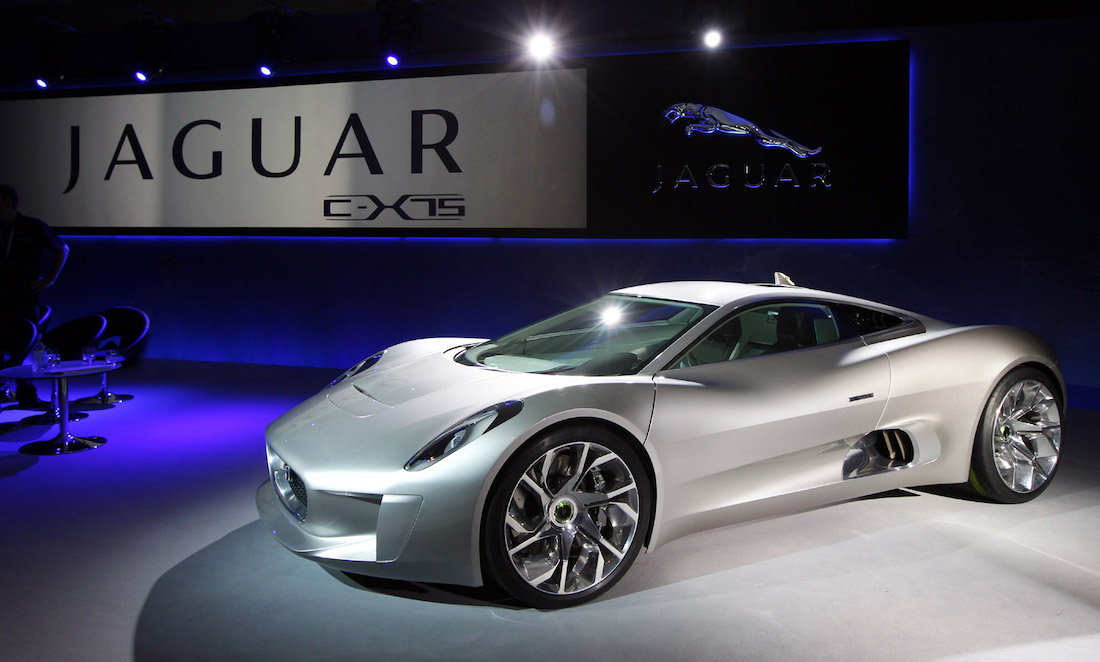
Jaguar C-X75
Dreams That Become Normal
The irony of concept cars is that their “failure” often guarantees their success. Designers mine them for ideas. Engineers adapt their technology. Marketing departments rediscover the interest level from the buying public.
What looked outrageous on a show stand in one decade becomes ordinary on the road in the next.
Today’s production cars, with LED light signatures, digital interiors, autonomous features, and extreme aerodynamics, are descended from yesterday’s dismissed dreams.
Why Concepts Still Matter
Concept cars are not about prediction. They are about permission.
They give designers the freedom to ask, What if?
What if practicality didn’t matter?
What if cost wasn’t the limit?
What if the future looked completely different?
Most of those questions never reach production. But the ones that do change the direction of the automobile business.
The concepts that “deserved to live” didn’t fail. They simply arrived early—waiting for the world to catch up.
Let us know what you think in the Comments.
Research, some text and some images by ChatGPT 5.2. All other images from the respective maker.


Great article!
Ah yes, the G M Firebird III, would cut through the air or a pedestrian with equal ease.
All great picks. I’d add the Alfa Romeo B.A.T. concepts, Lincoln Futura, and the Cadillac Cyclone
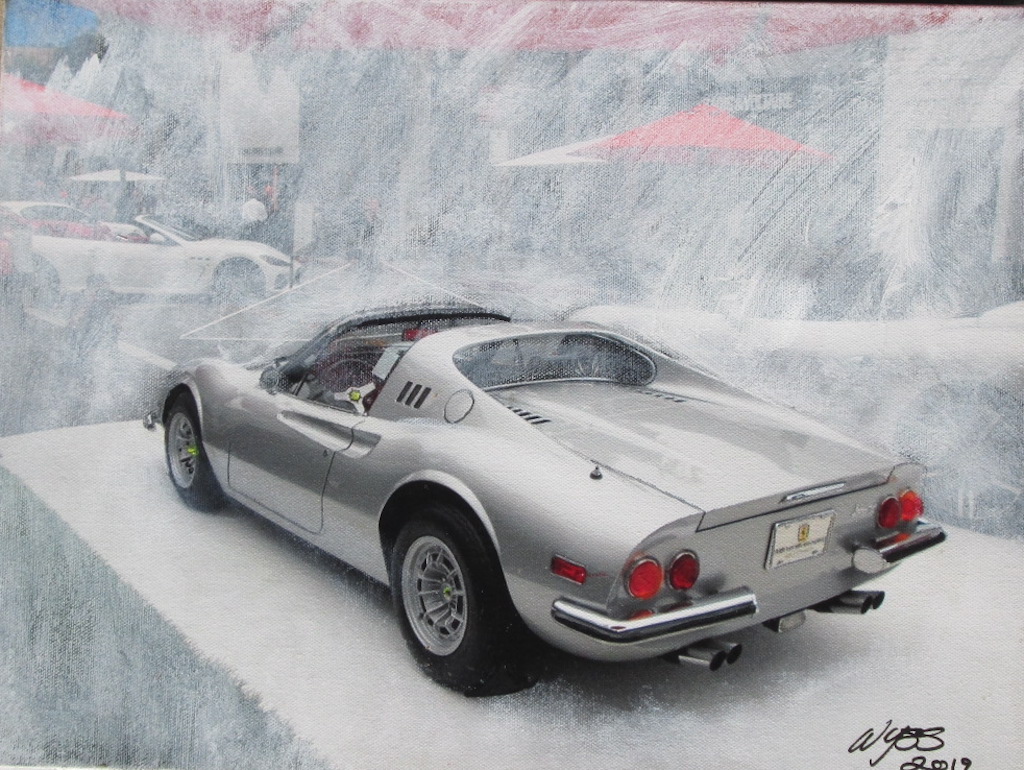
Many still exist. It’s a hassle to get one licensed for the road but one collector in the US talked Pininfarina into selling this Dino prototype and Ferrari added what it needed to meet road car rules.
Mike.
The AMC AMX III was an interesting concept car that would have been an interesting American-made Ferrari fighter, but AMC didn’t have the funds for such a car with limited appeal. Three were made, and designer Richard Teague’s son owns one.
The most recent issue of “Old Cars Weekly” did an in-depth cover story on the Chrysler Turbine Car, which would have been too expensive to mass-produce, but they did make 55 for consumer testing. They crushed 46 of them, and of the remaining 9, 4 are still running, with the balance in museums. Jay Leno owns one of the running ones. Designed by Elwood Engel, the bodies were handbuilt by Ghia in Italy, and the turbine could run on any combustible fluid. An interesting concept car, for sure. The car looks a lot like the ’61-’63 Ford Thunderbird because Engel worked at Ford before Chrysler lured him away.
Glenn in Brooklyn, NY